
Preserving Institutional Memory While Dismantling Informal Relational Authority Networks In Closely Held Enterprises
Codifying implicit operational memory into formal procedural logs dismantles shadow authority channels without destabilizing closely held firm operations.
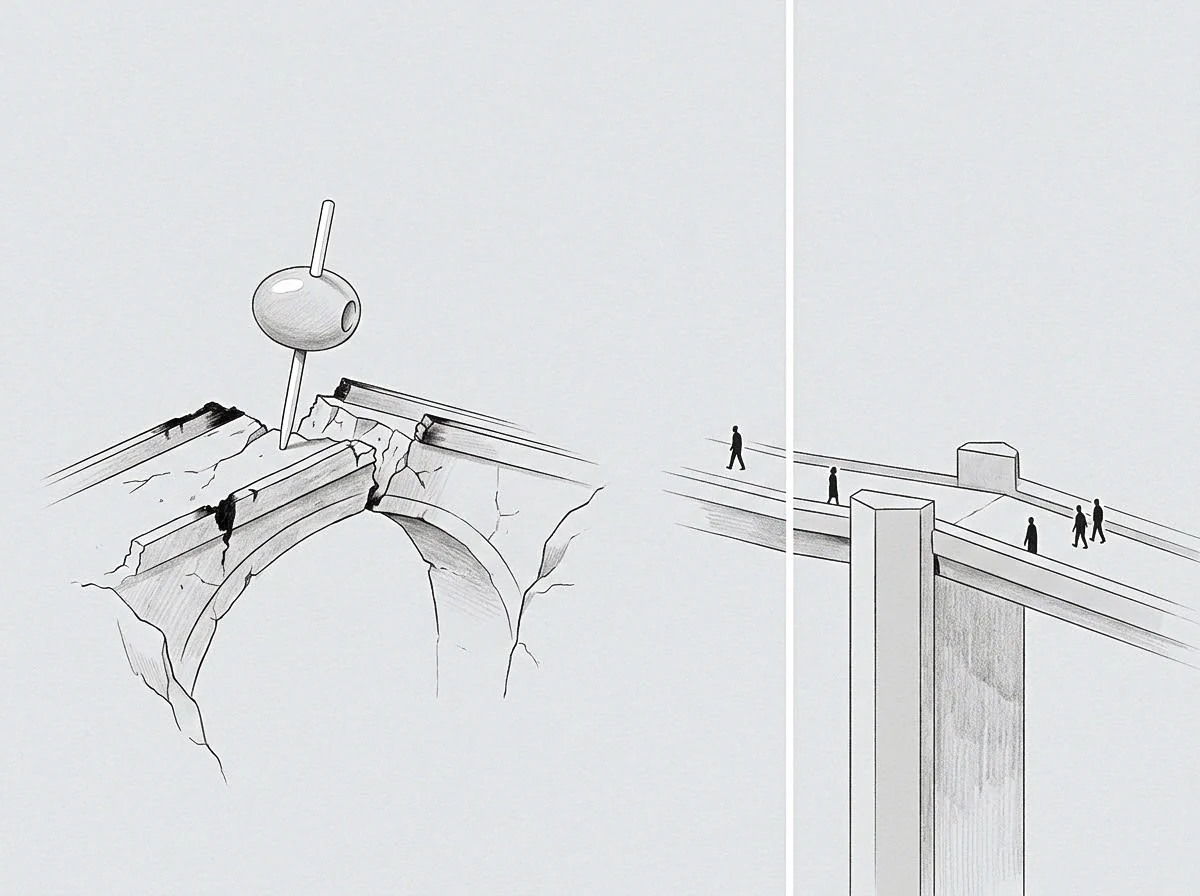
Silo

Implicit Memory Versus Relational Dominance
An incoming chief operating officer sits before a leather binder containing twenty years of supplier agreements, only to discover that every active discount rests on an unrecorded telephone call made every quarter by the founding partner’s brother. The printed pages show base pricing that would reduce gross margins by fourteen percent if enforced strictly as written. This gap between the paper contract and the operational reality illustrates how tacit procedural knowledge becomes intertwined with informal personal leverage.
In closely held enterprises, long-tenured employees and founding family members assemble shadow influence by keeping essential operational workflows inside personal routines. The information is retained in individual habits rather than institutional repositories, creating a situation where the organization depends on specific people to execute daily functions.
Tenure creates weight. Over decades, personal relationships between legacy staff and external suppliers, regulators, or major client contacts substitute for formal contractual terms. When new leadership attempts to establish explicit operational policies, legacy actors treat the effort as an attack on their personal standing.
The underlying procedural intelligence, comprising supplier idiosyncrasies, client preference histories, and custom manufacturing tolerances, lives exclusively within these informal channels. Attempting to eliminate shadow authority channels without first capturing this implicit procedural background risks operational paralysis.
Unwritten operational exceptions routinely mask personal leverage as structural necessity.
The core challenge centers on separating administrative knowledge from political control. Legacy actors maintain authority by framing their personal presence as the sole stabilizing force holding operational relationships together. When operational knowledge remains uncodified, every organizational decision demands personal consultation with shadow veto holders.
The seat shifts. Operational velocity slows. If an enterprise attempts to dismantle these informal decision paths without capturing the underlying operational data, essential relationships fracture immediately upon the departure of legacy personnel.
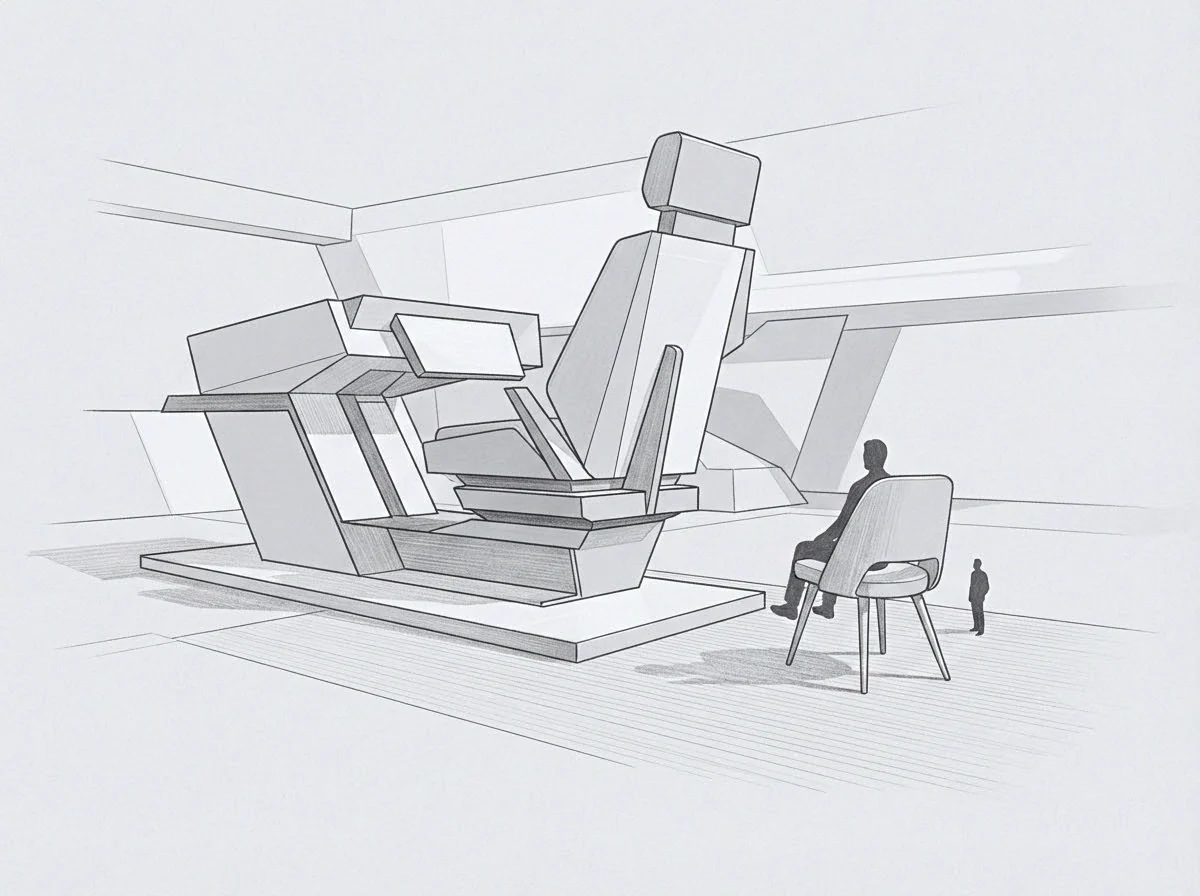
Vault
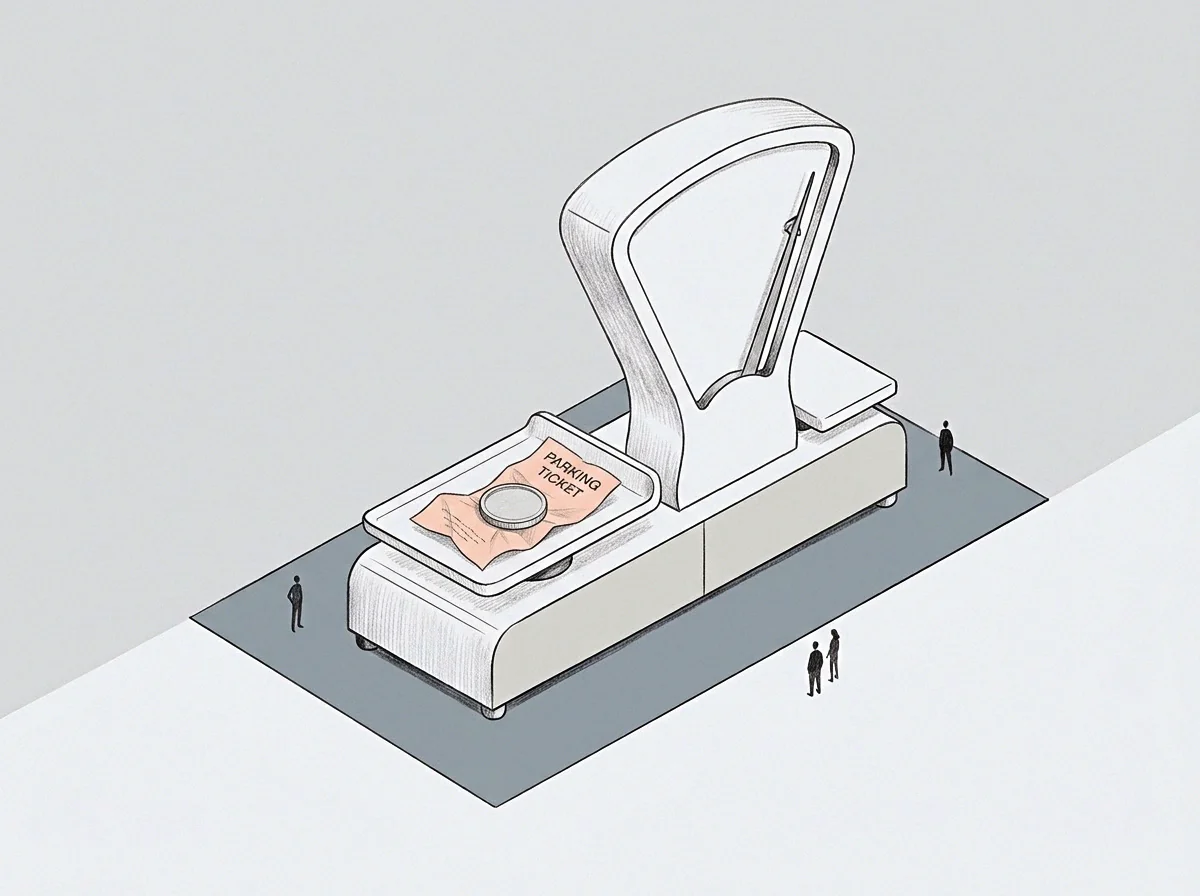
Codification Mechanisms for Tacit Operating Knowledge
Extracting operational procedures from unwilling or defensive legacy personnel demands a systematic observation routine rather than explicit interrogation. Direct requests for standard operating documentation often yield defensive evasions, vague generalizations, or active refusal. A more productive path uses real-time incident tracking during live operational events.
When a major shipping disruption occurs, an analyst records every phone call, unwritten contact, and approved exception made by the legacy operator to resolve the issue. The information is logged in real time into an enterprise decision register, transforming an unwritten personal intervention into a repeatable, documented institutional procedure.
The memory stays. Shadow channels persist. Documenting tacit procedures relies on capturing three distinct operational components:
- Trigger conditions The exact operational threshold or event that demands an exception to written policy.
- Historical precedent The prior informal agreement, personal compromise, or legacy pricing structure that dictates how the exception is resolved.
- Execution path The exact sequence of external contacts, internal sign-offs, and software overrides needed to implement the resolution.
Structured artifact extraction presents another effective mechanism for capturing implicit enterprise history. Legacy operators retain physical files, personal notebooks, and private email archives that house decades of commercial context. Systematically digitizing these materials into a centralized knowledge base converts private personal assets into visible institutional property.
Assigning explicit role-based tags to historical files ensures that future operators access institutional history without relying on personal memory calls to legacy founders.
When operational logging occurs during live escalation, tacit workarounds transfer into documented standard procedures before relational friction builds.
Shadow veto power dissolves when informal exceptions become visible system logs. Vetoes operate silently. Once an unwritten agreement is transcribed into the central operational record, decision-making rights shift from the individual to the formal position.
The legacy employee no longer holds exclusive access to the underlying logic, allowing successor managers to review, standardize, or renegotiate historical exceptions. Procedural logging continues until every core business process operates independently of individual presence, ensuring that operational continuity survives future governance changes.
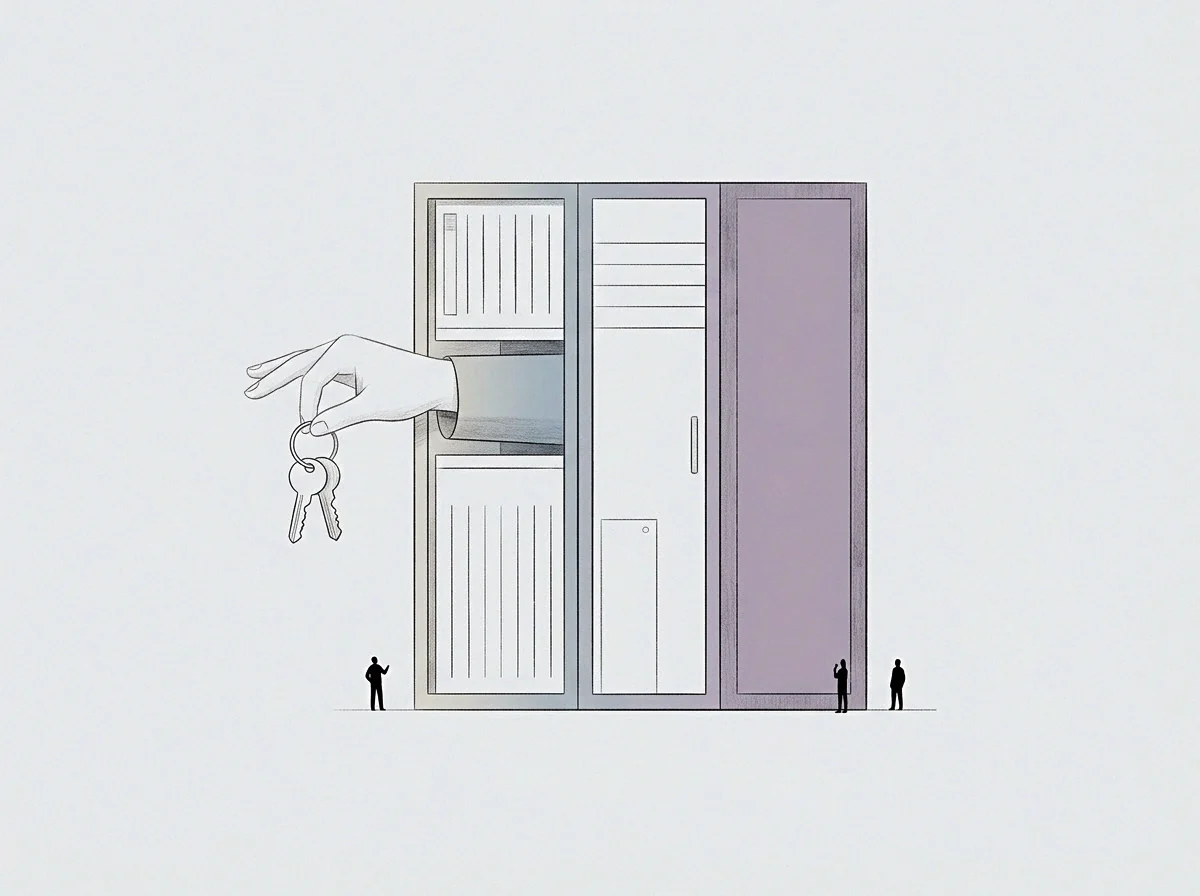
Latch
How Do Shadow Vetoes Survive Formal Restructuring?
Formal organizational charts rarely reflect the true authority structure inside a closely held enterprise. Legacy founders, equity holders without executive titles, and long-serving staff frequently maintain shadow veto channels that bypass appointed managers. These informal channels operate through private messaging, off-site discussions, and implicit threats regarding equity claims or key client departures.
When an appointed manager issues a directive, staff members often route the decision informally to a legacy figure for implicit confirmation before executing the order.
Neutralizing these unauthorized communication loops demands explicit re-anchoring of operational authority into formal seats. The transition must follow a strict, non-negotiable operational sequence:
- Audit informal escalation channels Map every unwritten approval path used by staff to bypass appointed managers during operational disputes.
- Establish sole operational points of contact Issue written notifications to vendors, customers, and internal staff stating that authority rests exclusively within designated job titles.
- Re-anchor historical vendor agreements Replace unwritten personal adjustments with formal, executed contracts signed exclusively by authorized corporate officers.
- Transfer authorization rights to formal seats Reassign bank sign-offs, software administrative privileges, and key release keys directly to functional position holders.
Legacy actors resist. The register holds. Removing shadow approval channels causes short-term friction, as legacy figures attempt to reassert personal leverage during operational strain.
When staff members attempt to route decisions to legacy figures, appointed executives must firmly enforce the formal boundaries. If a legacy figure issues an unratified instruction to operational staff, management must immediately countermand the directive in writing, confirming that operational directions originate solely from official positions.
A legacy approval channel left operational outside official governance guarantees recurring structural bypass.
The underlying agreement worked cleanly when personal ties governed operations, making formalized documentation and rigid procedural sign-offs unnecessary.

Grid
Structural Comparison of Relational and Formal Authority
Transforming a closely held firm from a personal authority model to a formal governance model demands evaluating how daily operational decisions move through the organization. In a relational setup, decisions rely on personal status, historical loyalty, and unwritten agreements. In a formal setup, decisions rely on explicit role descriptions, written delegation limits, and centralized data repositories.
The comparative matrix below outlines the operational differences across key structural dimensions.
| Governance Dimension | Informal Relational Network | Codified Institutional System | Transition Risk Factor |
|---|---|---|---|
| Decision Velocity | Fast for legacy actors; slow or blocked for non-family executives. | Consistent across all operations, governed by defined approval thresholds. | Temporary slowdown during initial documentation phase. |
| Knowledge Retention | Vulnerable; stored in personal memory and private files. | Resilient; stored in searchable enterprise logs and central repositories. | Data loss if legacy actors depart before extraction completes. |
| Dispute Escalation | Resolved through personal status, shadow vetoes, or family rank. | Resolved through board policies, written protocols, and clear seat authority. | Political friction when shadow channels are formally blocked. |
| Succession Readiness | Low; successor must inherit personal relationships to operate effectively. | High; incoming managers operate using documented role mandates. | Reluctance of legacy founders to relinquish informal leverage. |
The authority dissolves. Implicit trust evaporates. When an enterprise transitions from informal channels to formal systems, the primary operational risk shifts from individual loss to procedural compliance.
Operational velocity slows briefly as managers adjust to documented approval chains. The formal framework protects long-term equity value by ensuring the firm functions cleanly under non-founding management, removing individual holdover leverage completely.

Spool
Scaffold Removal and Role Based Authority Assignment
Dismantling informal power structures without disrupting ongoing operations demands a staged removal of personal scaffolding. Scaffolding consists of temporary oversight meetings, transitional consulting agreements, and shadow approval rights granted to departing legacy leaders. If scaffolding is removed too rapidly, operational staff experience severe role ambiguity and operational hesitation.
If retained too long, the legacy figure retains permanent shadow authority, preventing the appointed successor from establishing full operational control.
Managing this transition requires monitoring specific failure patterns during the handover period:
- Premature scaffold extraction Removing legacy figures before capturing critical vendor terms, causing contract losses and supply chain delays.
- Dual reporting tolerance Allowing staff to seek guidance from former leaders, which weakens the formal authority of incoming managers.
- Undocumented exception recording Failing to capture custom operational fixes made by legacy staff during peak business periods.
- Selective knowledge retention Permitting departing founders to take private client logs or proprietary supplier files upon exit.
The scaffold falls. The room forgets. To ensure complete authority transfer, the organization must enforce the grip stage, where the incoming manager exercises sole operational decision-making while the departing figure remains strictly in an advisory capacity.
During this period, the legacy leader is forbidden from communicating directly with operational staff regarding daily tasks. All questions from internal staff or external partners must be directed exclusively to the new seat holder.
Role authority anchors only when the former occupant stops answering operational queries.
Will the new manager maintain structural boundaries when legacy stakeholders attempt to re-enter daily operations during peak commercial pressure?

Plank

Sustaining Governance and Memory Integrity Post Handover
Long-term operational stability in a post-dismantled enterprise depends on institutionalizing continuous knowledge capture routines. Once informal authority channels are dismantled, the organization must prevent new shadow structures from forming around senior operators or family representatives. This requires embedding operational logging into daily performance management systems.
Process updates, contract adjustments, and vendor modifications must be entered immediately into the enterprise repository as a mandatory condition for operational sign-off.
Roles define scope. The contract governs. Enterprise governance relies on maintaining clear separation between equity ownership rights and operational management seats.
Shareholders exercise authority exclusively through board meetings, annual reporting reviews, and formal governance resolutions, leaving operational decisions strictly to appointed executives. By protecting formal management channels from shareholder interference, the enterprise maintains structural integrity, retains critical operational memory, and secures long-term institutional continuity across multi-generational operational transitions.