Meaning
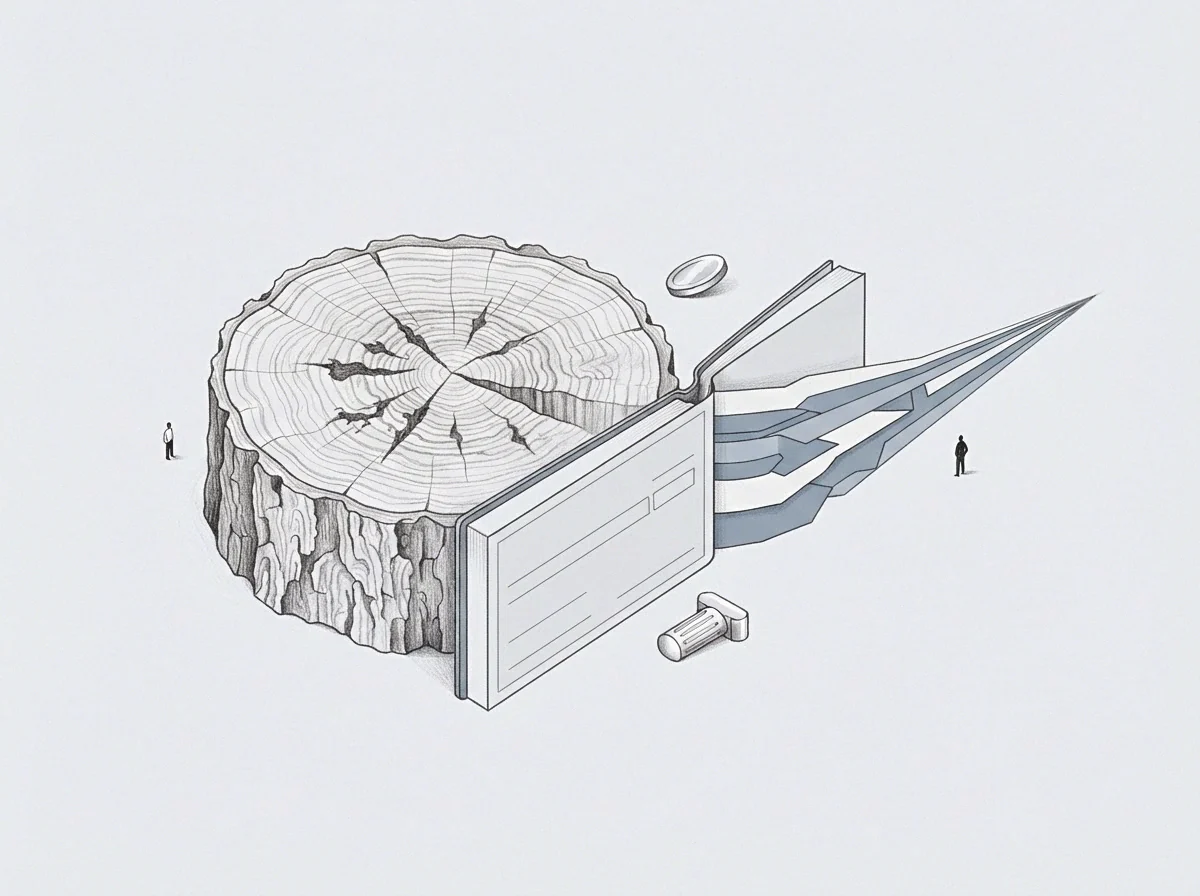
Informal power allows a person to affect decisions and culture without holding a formal title or a seat on the board. A state of residual influence occurs when a founder who has left their operational role is still consulted by the remaining leadership. It governs the psychological transition of the company from a single leader to a distributed team.
The effect stops when the management team establishes its own authority or the founder completely detaches from the firm.
Emotional Weight
Staying connected to the business after an exit creates a unique set of challenges for all parties. The residual influence of a founder can either stabilize a new team or undermine the authority of a successor. It often persists because of the deep personal relationships formed during the early years of the company.
Leadership Shadow
Decisions made in the past continue to shape the options available to the current management. When residual influence is high, the cost to the new leader is the constant need to align with the legacy of the founder. This process consumes the attention and hours of the chief executive.
The capacity of the organization to innovate is sometimes hindered by an adherence to original ideas. Managing this dynamic requires a delicate balance between respecting the past and moving into the future.
Authority Handover
Formalizing the exit process helps to clear the path for new leadership. While residual influence is natural, it must be managed to avoid confusion within the staff. A clear boundary between the old and new seats ensures that everyone knows where the final decision lies.
It marks the final step in the evolution of the founder’s role.