Meaning
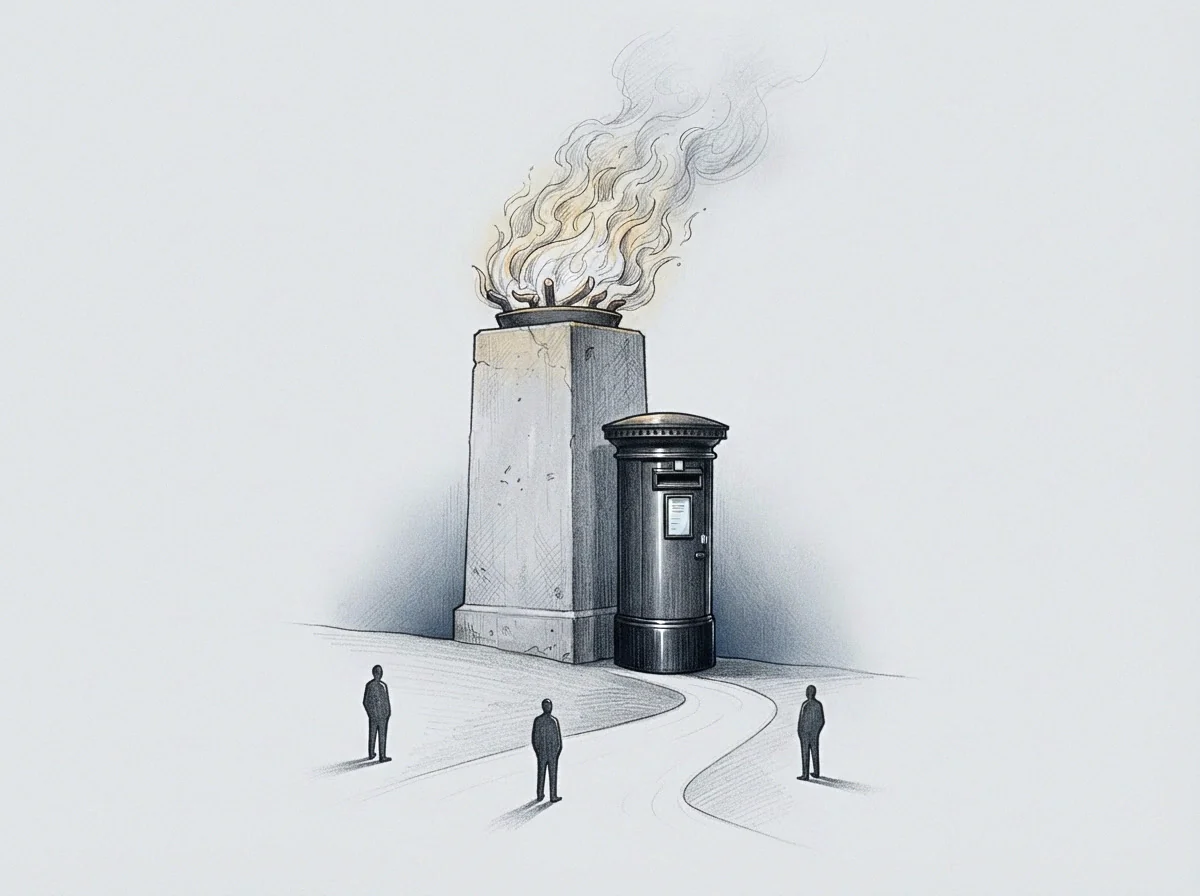
The lingering authority and cultural weight of a departed creator within an organization represents a major force that new management must manage. Although the founder may no longer hold an executive office, legacy influence often dictates employee expectations and corporate habits long after the handover. It operates through the informal networks and values established during the early years of the company.
The boundary of this phenomenon is reached when the culture adapts to a new operational style.
Cultural Impact
Employee habits and decision-making defaults often align with the founder’s historical preferences rather than the new CEO’s directives. When legacy influence is strong, staff members may resist procedural changes because they conflict with the original methods of the company. This resistance is rarely malicious, arising instead from deep-seated loyalty to the founding vision.
The current executive team must acknowledge this dynamic to manage it effectively.
Strategic Constraint
Board decisions can also suffer from an unspoken bias toward the original strategy. This legacy influence restricts the company’s ability to enter new markets or alter its product focus. It appears as a preference for the familiar path.
Leadership Evolution
Successful transition strategies involve the gradual integration of new ideas alongside existing company values. When legacy influence is channeled productively, it supports stability while the business adjusts to new leadership. This approach preserves corporate identity while allowing essential changes to occur.