
Scaffolding Removal Rates in Post Founder Executive Leadership Handover Sequences
Scaffolding removal rates balance operational stability and executive autonomy by methodically withdrawing informal founder supports as institutional competence matures.
Prop
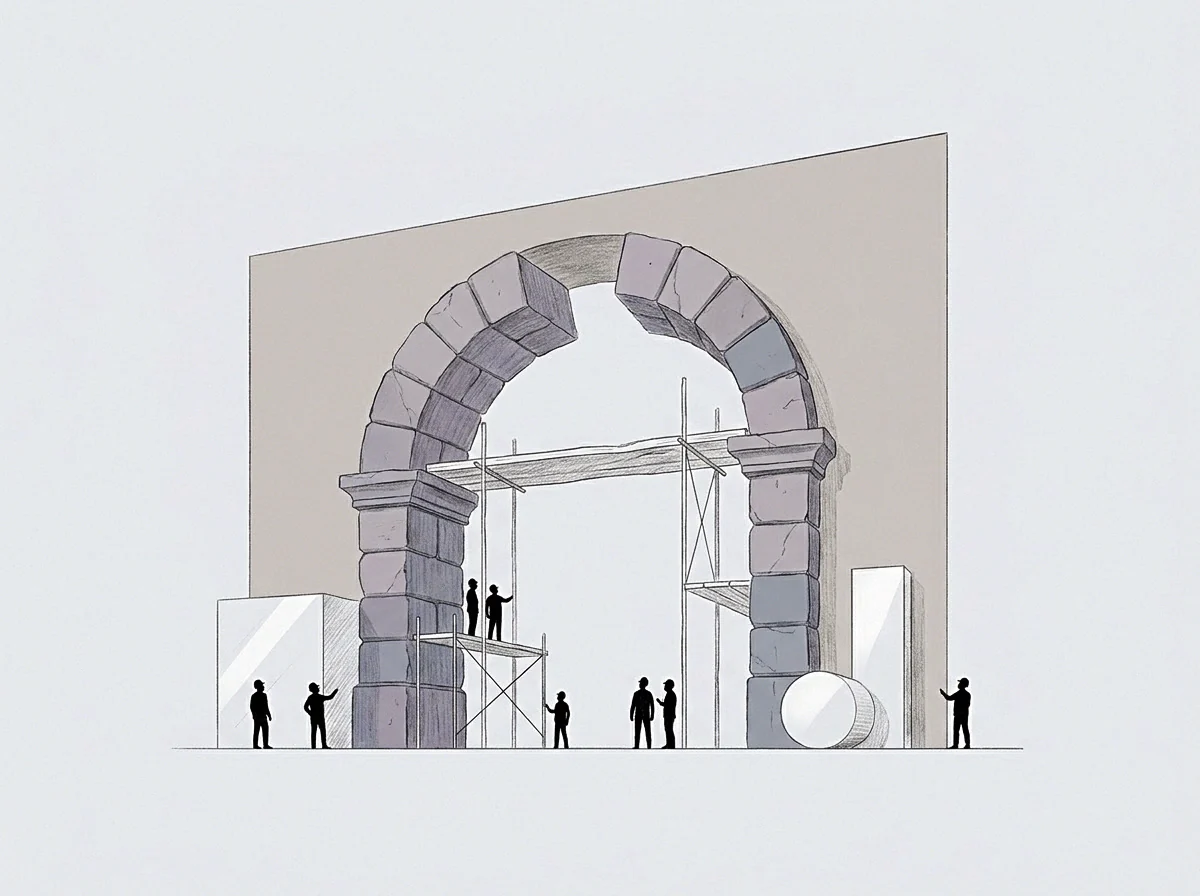
Production deployment access remained pinned to the founder’s personal security token through the fourth month of executive succession. Seven engineering leads continued routing architecture approvals to that private hardware device while the appointed chief executive sat three desks away. Operational support structures in post-founder successions function as load-bearing armatures.
The founder builds scaffolding to stabilize fragile operations during early firm formation. This infrastructure includes direct customer escalations, shadow governance channels, private supplier relationships, and verbal operational permissions. When the executive seat transfers, these informal props keep the enterprise upright during early executive orientation.
Scaffolding defines the temporary operational mechanisms that absorb firm variance while an incoming leader acquires institutional competence. These props stabilize decision velocity during the transition interval. The incoming executive operates within the zone of proximal development, absorbing administrative context that never appeared in formal diligence documentation.
Informal authority conduits shield the successor from catastrophic miscalculations during the initial quarter. The enterprise maintains continuity because the departing founder still absorbs tail risk through bilateral backchannels.
A scaffold transfers zero capability while it remains fully weighted by the person who built it.
The operational apparatus creates severe dependencies when maintained past operational necessity. Subordinate managers continue addressing operational escalations to the departed founder through private messaging channels. The successor executive occupies the formal seat while operational authority stays anchored to the historic operator.
Structural shadowing dilutes executive command, confusing operational reports and delaying institutional alignment around new strategic priorities.
Decomposition of Temporary Executive Supports
Executive handover scaffolding separates into four structural categories across the enterprise:
- Direct customer intervention lines preserve commercial retention during transition while preventing the incoming executive from establishing unmediated buyer authority.
- Shadow governance channels allow the founder to resolve board friction informally before formal votes take place.
- Proprietary vendor concessions depend entirely on personal commitments made across years of commercial interaction.
- Internal exception dispensations bypass standard operational policies through unwritten historical privileges held by select staff members.
Disassembling these supports requires sequential isolation rather than abrupt detachment. The firm establishes an operational inventory of every unwritten clearance mechanism within thirty days of executive appointment. The outgoing executive signs a delegation covenant that terminates personal veto rights across operational committees on a fixed calendar date.
Pace
Scaffolding removal rates dictate whether an incoming executive develops genuine operational autonomy or suffers systemic rejection. Removal velocity measures the pace at which temporary supports, unwritten sign-offs, and founder interventions extract themselves from regular operational management. A rapid extraction rate introduces sudden structural shock.
Subordinates freeze when private escalation paths vanish overnight, creating decision bottlenecks across critical client interfaces.
A protracted removal rate produces structural paralysis. The organization defaults to historic patterns, viewing the successor as a decorative figurehead. Tacit knowledge stays trapped inside the founder’s personal recall rather than converting into documented operating procedures.
The incoming leader’s decision authority atrophies before ever establishing structural legitimacy.
Removing operational supports faster than institutional competence matures creates organizational stall.
Transfer cadence follows an explicit linear sequence across executive capabilities. The incoming operator takes ownership of capital allocation schedules during the opening sixty days. Operational line management follows during the second quarter.
Key commercial accounts transition during the third quarter, with board relationship mediation transferring last. The table below delineates the empirical performance trade-offs observed across distinct removal velocities during post-founder leadership handovers.
| Removal Velocity | Successor Authority Acquisition | Subordinate Retention Rate | Operational Error Frequency | Residual Founder Influence |
|---|---|---|---|---|
| Abrupt (Under 60 Days) | High Autonomy Spike | Moderate Departure Risk | Elevated Variance | Negligible |
| Staged (120 to 180 Days) | Stable Consolidation | High Institutional Stability | Controlled Baselines | Structured Advisory |
| Protracted (Beyond 270 Days) | Severe Authority Atrophy | Factional Attrition | Suppressed Signal | Persistent Shadow Control |
Staged extraction produces stable operational metrics across multi-year evaluation windows. The firm documents each support mechanism before scheduled withdrawal. The departing founder vacates operational meetings in methodical tiers, moving from active participant to silent observer before absenting themselves entirely from specific administrative gatherings.
The successor exercises unmonitored decision authority across expanding operational radii.
Support structures stay up until the successor executes three consecutive error cycles without founder intervention.

Drag
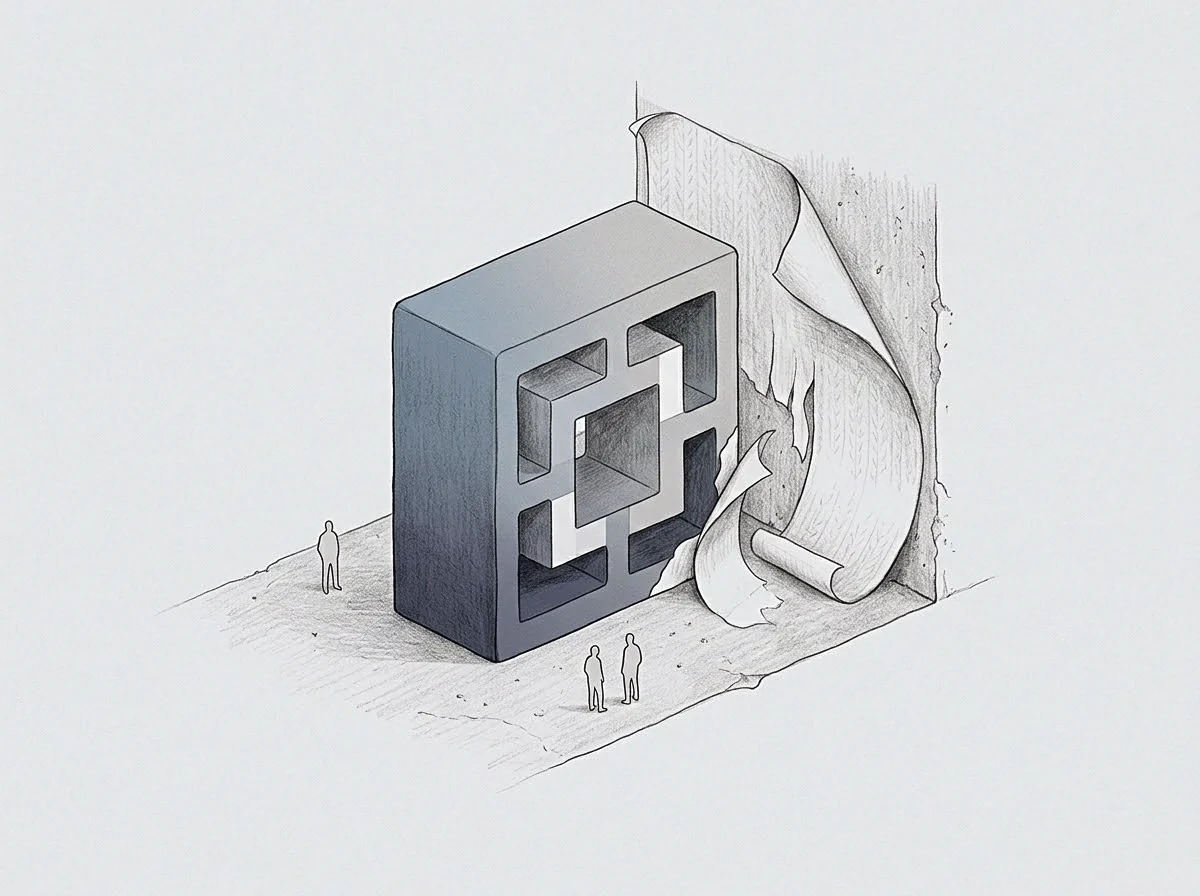
Residual founder presence exerts friction against the incoming leader’s operational mandate. Even well-intentioned advisory arrangements generate cognitive confusion among department heads. When an employee encounters friction with a new executive directive, an active founder in the building invites immediate backchannel lobbying.
Informal precedent appeal surfaces as staff members petition the departed founder to preserve outdated operational norms.
Cognitive drag manifests as unstated performance comparison. Subordinates evaluate new leadership actions against the founder’s historical precedent. This condition intensifies when the founder retains an equity position paired with an ambiguous advisory title.
The successor expends operational capacity defending procedural changes rather than executing company mandates. Authority remains fragmented across parallel hubs.
The enterprise bleeds momentum through double-handling basic administrative decisions. Senior managers present reports to the chief executive during formal reviews, then seek informal confirmation from the founder over coffee. This dual-track governance inflates coordination overhead and degrades executive speed.
Trust dissolves across the leadership team.
The board appointed an executive to run our operations, yet the founder still reverses operational budgets whenever long-term employees complain.
Taper
Controlled removal demands quantifiable metrics rather than arbitrary time intervals. The firm tracks operational independence by observing where final decisions land. Three quantitative indicators establish whether scaffolding extraction matches institutional absorption capacity: the count of unprompted founder inquiries per operational cycle, the percentage of internal escalations resolved without founder input, and the volume of policy exceptions requested by legacy staff.
Tapering accelerates when formal systems replace bilateral commitments. The firm translates uncodified relational understandings into explicit contractual standards. Supplier pricing arrangements secured through personal friendships convert into multi-year commercial agreements with documented discount tiers.
Operational handoffs that previously depended on unspoken intuition become structured standard operating procedures.
A succession agreement without scheduled operational withdrawal dates invites continuous governance dispute.
Tactical disengagement requires physical and informational boundaries. The founder’s administrative building access expires according to a scheduled calendar. Email aliases that route operational queries to the founder’s inbox redirect to the new executive suite.
Informational access contracts from broad enterprise reporting down to defined quarterly board packets. Restricting administrative data flows compels subordinate managers to interface exclusively with the incoming leader.
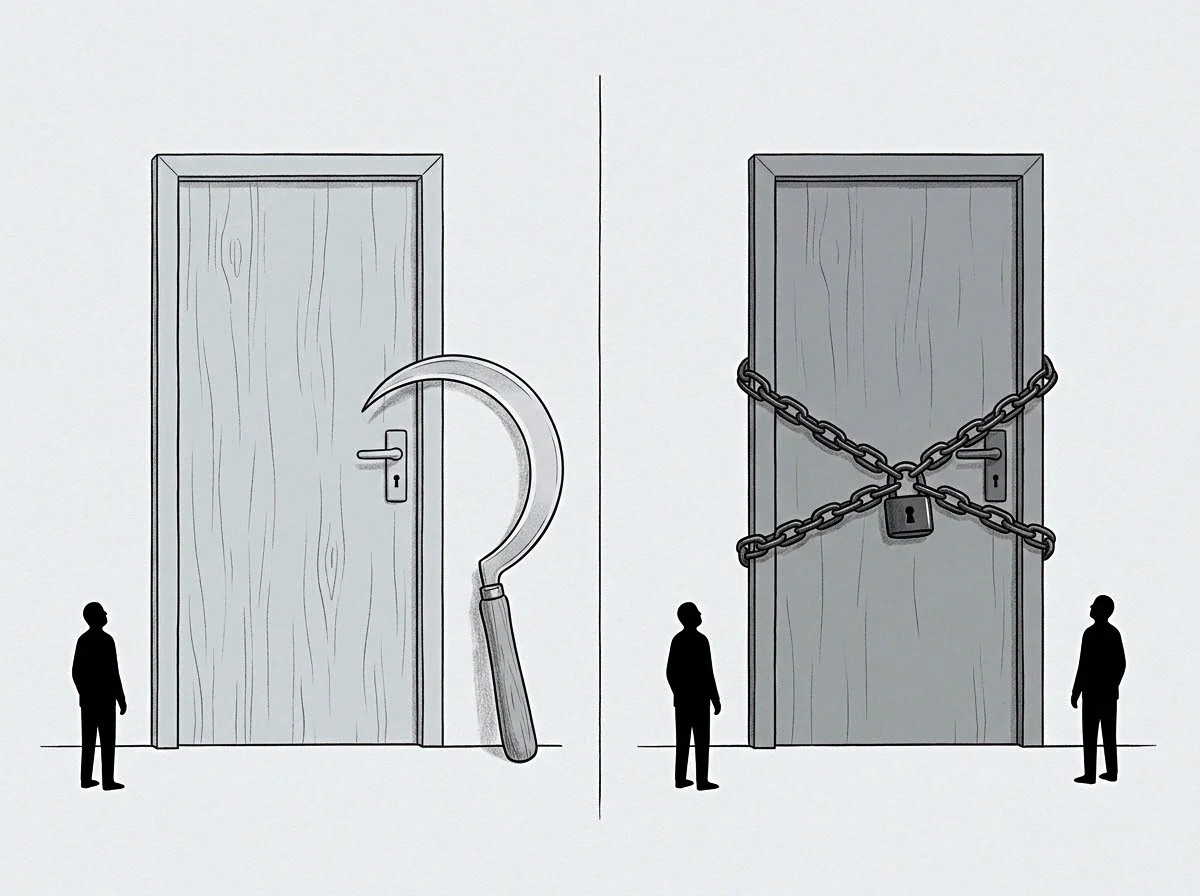
Premature removal breaks enterprise stability, whereas deferred removal triggers executive resignation, leaving the firm with an unfillable seat and an exhausted founder who cannot leave.

Void
Complete scaffold extraction produces an operational void that exposes the enterprise’s true institutional maturity. When the last advisory support drops away, the executive holds total operational weight. Unwritten institutional habits either withstand the load or fracture under executive scrutiny.
Residual tacit reliance surfaces immediately, revealing gaps where organizational documentation failed to capture underlying operational dependencies.
The successor must now navigate unforeseen market volatility without the founder’s historical memory. Strategic choices rest entirely on formal intelligence and current operating capacity. Executive isolation intensifies during this terminal phase.
The organization either consolidates authority around the successor or attempts an involuntary regression to past habits.
Long-term organizational stability depends on whether the successor builds new administrative infrastructure or merely manages the remnants of historical practices. The handover sequence completes its full trajectory only when the enterprise functions smoothly without reference to founder precedent. Whether an enterprise can ever fully decouple operational culture from the founder’s personality while preserving original commercial momentum remains an unsettled question for corporate governance.