Meaning
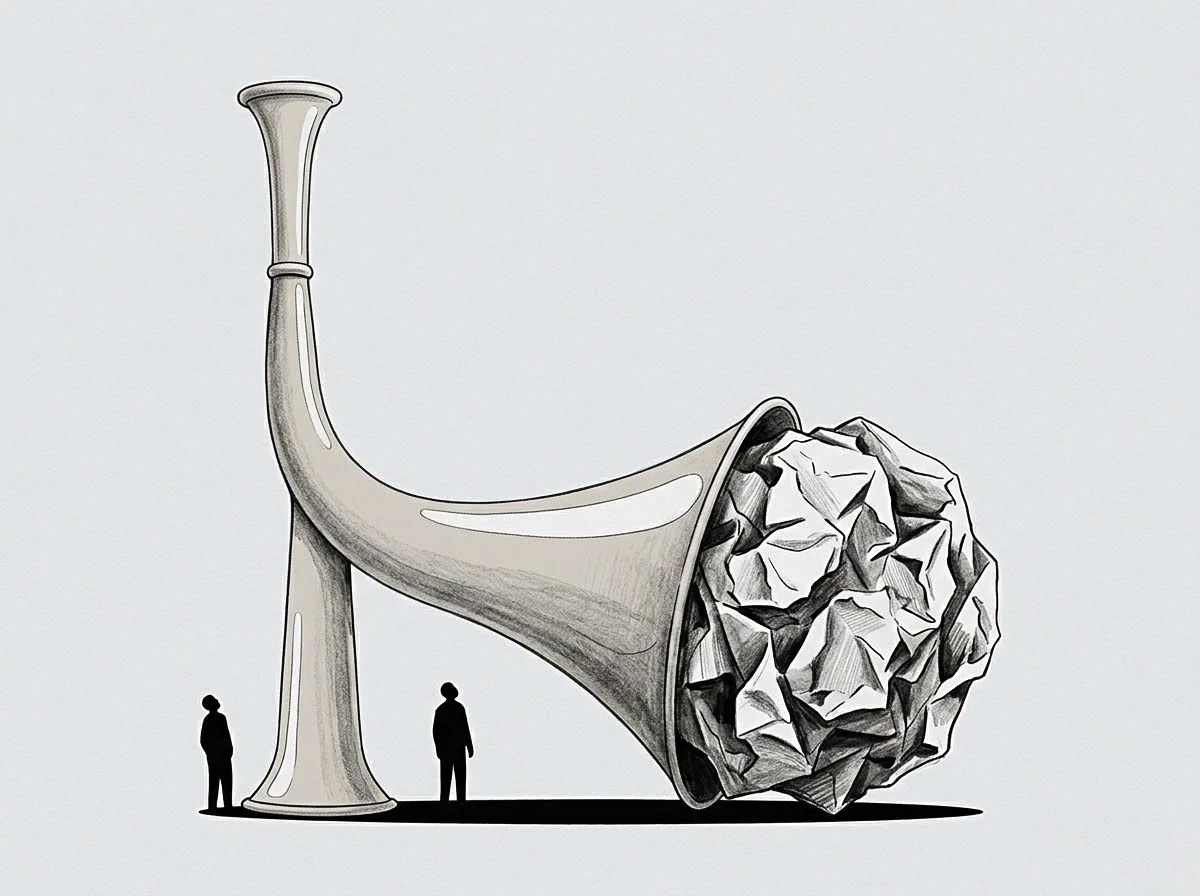
Neural friction operating in a vacant seat constitutes cognitive drag when a former founder retains operational reflexes without authority. Mental bandwidth depletes continuously because old neural pathways demand execution of tasks that now belong elsewhere. Unfinished transition from the central leadership role creates this persistent internal resistance.
Authority transfers to a successor while ingrained response loops remain active in the predecessor.
Occupational Residuals
Habituated executive reflexes generate daily friction inside the board seat or advisory role. Automatic pattern matching triggers intervention impulses when junior leaders handle routine crises independently. Residual muscle memory from early scale phases causes continuous second guessing of operational choices.
Former directors carry outdated response scripts that clash directly with new governance boundaries.
Attention Drain
Unallocated processing cycles consume mental capacity that should support strategic detachment. Background simulation of daily firefighting drains attention hours away from long horizon thinking. Constant mental monitoring of abandoned departments starves the current oversight function of required focus.
Operating habits linger persistently and leave the occupant exhausted without producing commercial output.
Transition Friction
Structural misalignment between past habits and present authority limits ongoing effectiveness. Misplaced operational interference damages the autonomy of incoming leadership teams. Resolution occurs exclusively when mental models adapt fully to the reality of non-operational standing.