
Separating Shareholder Rights From Daily Corporate Operations
Stock ownership grants statutory governance rights and residual financial claims while operational execution belongs strictly to appointed corporate officers.

Wall
Corporate law creates a sharp division between equity ownership and operational authority. Holding shares in a corporation grants specific statutory rights, primarily voting on structural changes, electing directors, and receiving declared dividends. Stock ownership carries no intrinsic legal right to enter corporate offices, manage staff, direct vendors, or make operational commitments on behalf of the business.
Operational management belongs exclusively to officers appointed by a board of directors, establishing a structural boundary between risk capital and executive execution.
In owner-managed firms, founder-operators frequently collapse these roles into a single daily routine. The founder writes code, approves invoices, signs vendor contracts, and holds seventy percent of the voting shares. Capital buys yield.
Equity conveys voting power. When operational friction arises, the founder-operator uses equity power to settle daily management disputes, skipping formal executive accountability. This habit obscures the legal source of authority and creates operational ambiguity for non-equity executives and operational teams.
Stock ownership grants legal claims on residual earnings without bestowing managerial authority over daily tasks.
Separating ownership rights from management requires recognizing that equity holds ultimate economic risk while officers manage routine execution. A major shareholder who instructs a line manager to bypass the executive executive authority undermines corporate governance structures. The shareholder acts through votes cast at shareholder meetings or through designated board seats.
The officer acts through delegated managerial authority defined in bylaws and employment agreements. Mixing these legal channels exposes the enterprise to governance disputes, breach of fiduciary duty claims, and operational drift.

Channel
Governance mechanisms structure shareholder intentions into executive mandates through defined legal pipelines. Stockholders express baseline intent by electing a board of directors during annual general meetings or through formal written consent. The board of directors sits between equity holders and corporate officers, serving as the sole statutory authority responsible for hiring executives, approving budgets, and overseeing management.
Officers receive operational control directly from board resolutions, creating an explicit chain of command.

Statutory Allocation of Corporate Authority
Direct shareholder interference in daily operations violates fundamental corporate legal standards. Shareholder approval matters remain strictly defined by statute, governing fundamental transactions such as charter amendments, mergers, dissolutions, and asset sales outside the ordinary course of business. Daily operational decisions belong to the executive team.
Board seats mediate control. When shareholders attempt to override operational leaders directly, executive capacity breaks down quickly.
- Formal notice of an operational concern passes from the equity holder to an appointed board representative.
- The board places the strategic concern on the agenda of a scheduled board meeting.
- Directors evaluate executive performance against board-approved key targets and financial metrics.
- The board issues direct guidance or operational targets exclusively to the executive officer.
Direct governance pipelines insulate daily execution from fluctuating owner preferences.
Corporate bylaws define the scope of reserved matters where shareholder consent remains legally necessary. Common reserved matters include issuing new equity classes, incurring debt above specified financial thresholds, or selling core intellectual property assets. Outside these explicitly defined boundaries, corporate officers retain sole authority over operational spending, employee selection, and project execution.
A voting threshold defined in an investor rights agreement alters strategic boundary lines without transferring daily operational management to passive equity holders.
Split
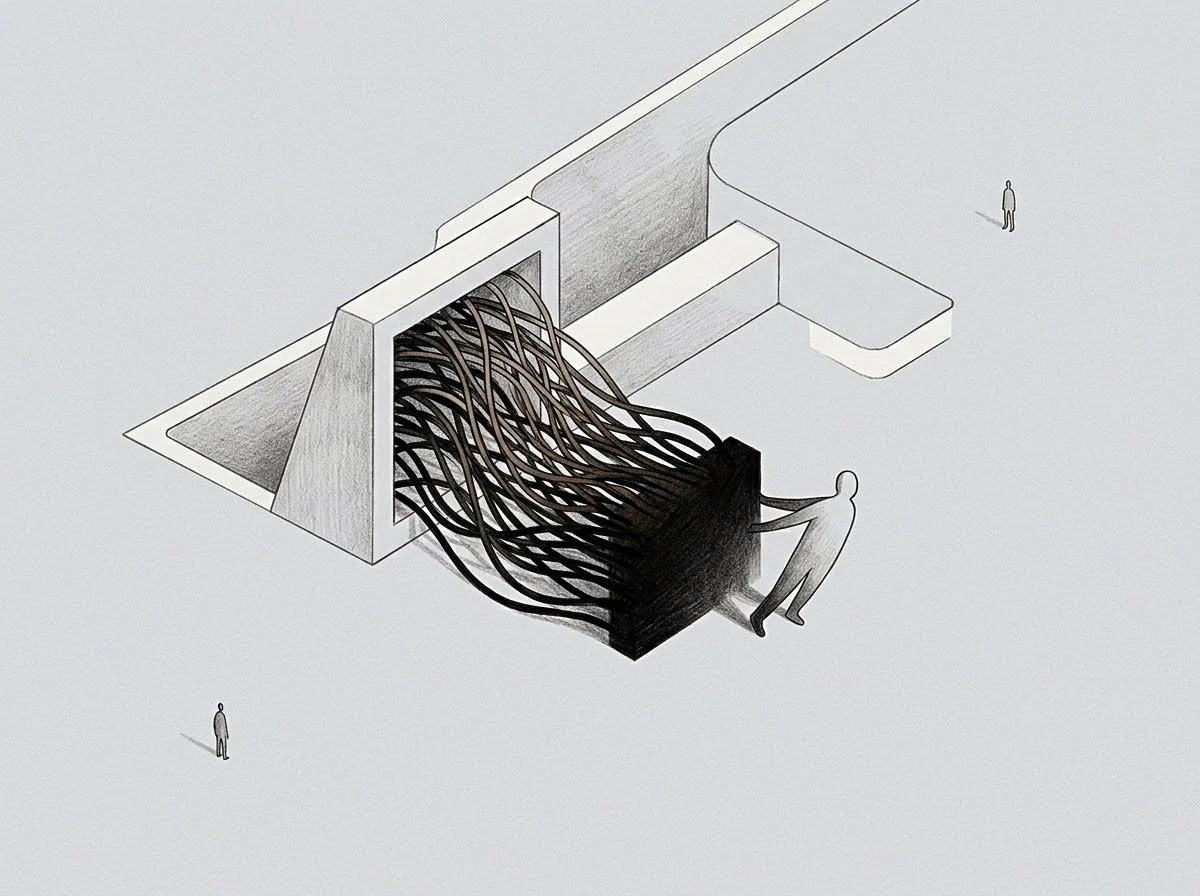
The transition from founder-led execution to professional corporate management forces a formal division of seats. An individual holding forty percent of corporate equity and serving as vice president of product holds two distinct legal positions. Actions taken in the operational seat remain subject to executive supervision and board review.
Actions taken in the shareholder seat operate under shareholder agreements and statutory voting rules. Conflating these responsibilities generates severe internal governance friction.

When Does Shareholder Governance Override Executive Authority?
Shareholder governance overrides executive authority strictly inside statutory limits and explicit governance contracts. Equity holders exercise power through board election votes, capital allocation approvals, and formal shareholder resolutions. Shareholders cannot issue direct operational instructions to staff members.
Officers run daily tasks. If an executive officer refuses to follow broad strategic direction, shareholders exercise control by voting to replace directors, who subsequently replace executive management through formal employment procedures.
| Role Characteristics | Governance Seat | Executive Seat |
|---|---|---|
| Primary Source of Power | Capital investment and share issuance | Board appointment and employment contract |
| Core Responsibility | Director election and charter oversight | Operational execution and tactical leadership |
| Legal Duty Standard | Self-interest subject to voting agreements | Fiduciary duty of loyalty and care |
| Direct Control Scope | Reserved statutory corporate matters | Daily vendor, financial, and staff management |
| Remedy for Non-Performance | Voting out directors at annual meetings | Termination of officer employment contract |
Operational seats require daily presence. When a founder holding significant equity steps down from executive leadership, clear operational rules prevent informal governance drift. Non-founder managers operating without explicit legal boundaries face impossible choices when major shareholders demand tactical changes outside board channels.
Informal orders destroy accountability. Establishing clear documentation regarding role divisions protects both executive management autonomy and shareholder equity value.
Combining equity voting rights with operational management creates operational gridlock during tactical disagreements.
An executive managing operations without interference provides clarity to non-equity employees. Staff members answer to the corporate hierarchy rather than capital sources. A major shareholder dissatisfied with tactical execution presents criticisms inside board meetings or exercises exit options through share transfers.
The owner expects executive performance aligned with approved annual plans, while the operator demands operational independence to fulfill those plans.

Lock
Contractual mechanisms preserve operational boundaries by binding equity holders to clear governance behavior. Investor rights agreements, voting trusts, and shareholder agreements codify exactly how major equity owners interact with corporate managers. These contracts explicitly define the limits of shareholder influence, preventing informal operational intervention while establishing formal channels for strategic input.

Contractual Guardrails in Owner Managed Entities
Bylaws structure corporate power. Contracts establish boundaries between ownership oversight and manager execution. Clear contract terms remove ambiguity, protecting professional executives from sudden shareholder intervention and protecting minority investors from majority owner overreach.
- Direct Interference in Vendor Selection bypasses official corporate procurement mechanisms and compromises operational budget control.
- Informal Operational Directives to Staff subverts established executive authority lines and fractures internal organizational structures.
- Unilateral Budget Alterations Outside Board Meetings violates governance standards and exposes officers to fiduciary liability risk.
- Direct Financial Access to Company Accounts breaks accounting internal controls and breaches bank mandate protocols.
Explicit shareholder contracts protect executive authority from informal owner intervention.
When shareholders bypass board mechanisms to issue operational directives, corporate performance degrades. Executive retention drops when non-operator owners override operational choices. Board minutes record official acts.
The cost of failing to enforce role separation includes lost officer accountability, broken team structures, and expensive litigation among internal equity factions when operational failures occur.
Handover
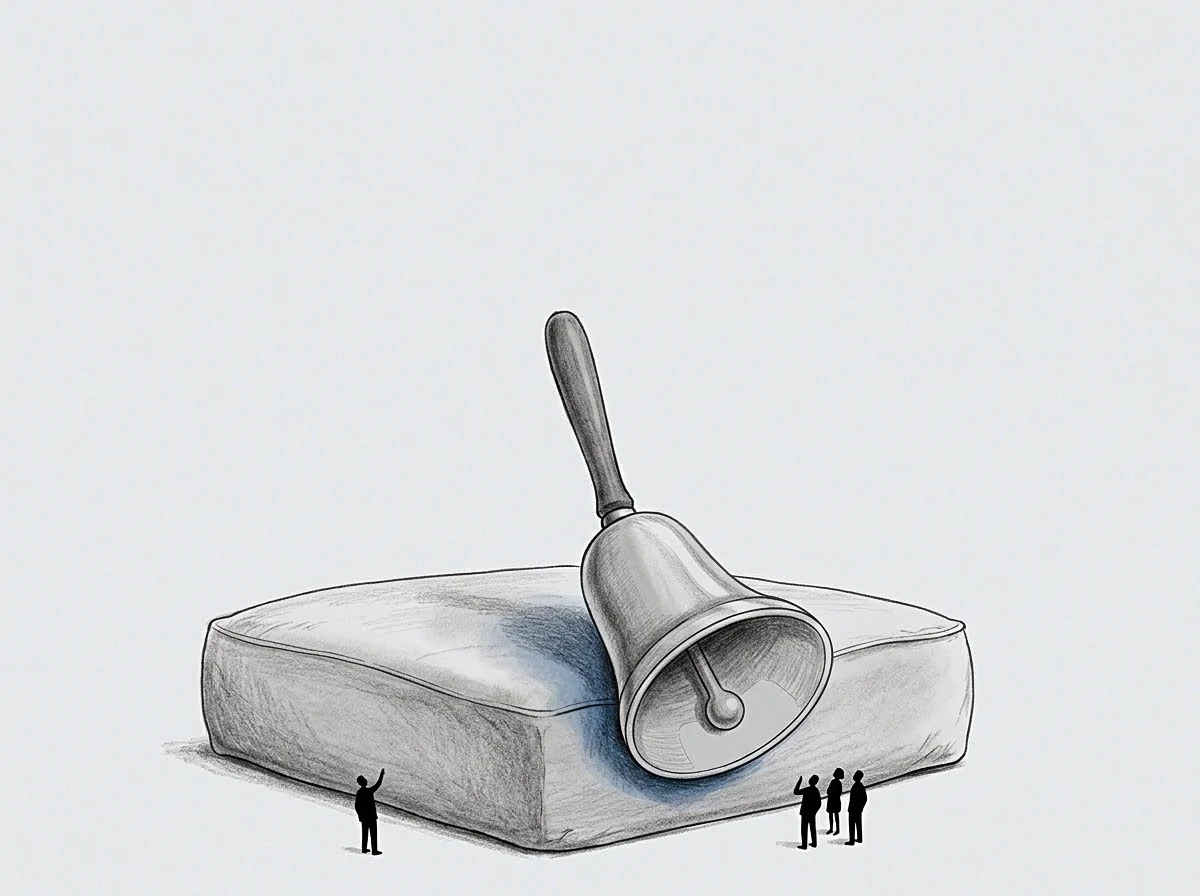
Relinquishing executive management while retaining equity requires a structured transition sequence. Founder-operators who step down from executive roles must surrender internal access, financial signatures, and direct staff leadership. Transferring operational authority without transferring shareholder rights transforms the founder from an active director-operator into a passive investor holding an explicit board seat.

Phased Succession and the Residual Ownership Seat
A successful transition relies on codifying operational knowledge into formal corporate systems before executive seats change hands. The incoming executive team demands clear operational operational authority free from informal shareholder oversight. Equity retention provides capital gains and strategic voting rights, while operational departure forces the former operator to communicate exclusively through formal board reports and shareholder updates.
Dividends reward equity risk. Shareholders hold financial risks. The former operator sitting in a pure shareholder seat observes executive decisions without retaining tactical authority over those decisions.
When operational choices deviate from historical founder preferences, the equity holder relies on formal board oversight rather than direct workplace intervention. Respecting this boundary ensures corporate longevity, professionalizes leadership execution, and secures the equity value built during the operational phase.
What remains unaddressed in corporate legal structures is how minority shareholder-operators maintain effective oversight when majority equity owners systematically restrict board meeting frequency while taking operational control.