
Defending Documented Role Boundaries Against Informal Operational Regression Under Sustained Peak Enterprise Stress
Informal operational regression under sustained enterprise stress collapses managerial capacity into tactical execution, obscuring actual labor costs.
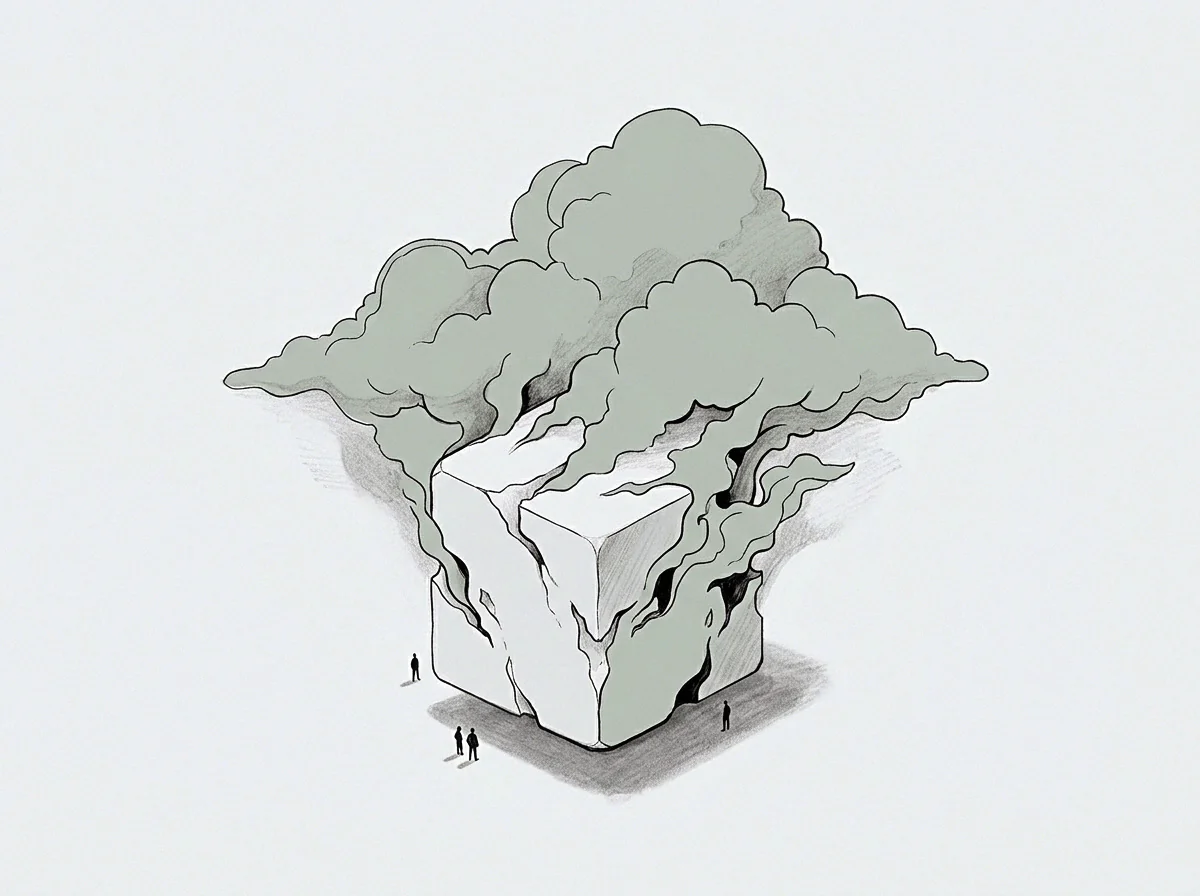
Wall
Operational capacity under heavy throughput depends on isolating tasks across tiers. When transaction volume doubles in a single quarter, execution stalls if decisions must climb a central chain of command. An executive holding operational oversight gets incident pings at midnight because primary queues are breaching service agreements.
With no front-line staff cleared for database remediation, the manager logs into the engineering portal to clear the backlog directly. Emergency triage takes two hours.
The immediate incident clears, but three weeks later the ticketing system routes similar escalations straight to that manager. Tactical fixes bleed into executive time without any formal policy change. What started as an emergency workaround during peak load turns into default practice.
The manager spends twenty hours weekly closing line-item tickets while strategic governance sits untouched.

Operational Partitioning Under Load
Structural separation between governance and tactical execution stops daily firefighting from degrading decision-making capacity. The technical role handles delivery tasks and output specifications. Managers oversee workflow distribution, resource allocations, and output standards.
The founder seat focuses on capital allocation, equity, and overall strategy.
System stability depends on enforcing structural margins between operational roles during peak volume demands.
Sustained peak volume inevitably forces these tiers together. When line capacity runs out, surplus tasks spill directly into management calendars. The organization relies on informal absorption instead of staffing up or renegotiating delivery commitments.
Regression sets in when managers routinely handle primary line work to plug structural gaps.

The Scope Margin in High Volume Environments
Documented scope boundaries maintain clear lines of authority across operating units. Formal guidelines establish explicit operating margins, setting task ownership, approval ceilings, and escalation triggers. In high-volume settings, these margins keep specialized roles focused despite daily operational friction.
Without enforced role boundaries, peak stress turns temporary tactical interventions into permanent unwritten duties. An executive who routinely steps in to handle line execution masks true labor costs, which keeps the organization from recognizing and funding its actual staffing requirements.
Role limits remain intact only when executive seats refuse primary execution work during non-emergency cycles.

Surge
Rapid growth pushes daily transaction counts well beyond baseline engineering capacity. Extended periods of heavy volume produce major backlogs across support, infrastructure, and delivery. Authority lines blur as teams prioritize immediate output over documented procedure.
When volume outpaces staff capacity, workers naturally improvise workarounds to bypass structural bottlenecks.
Senior leaders step into tactical roles to keep client deliveries on schedule. Established governance falls away in favor of informal task triage. While this kind of triage keeps operations moving in the short term, it introduces lasting operational risks.
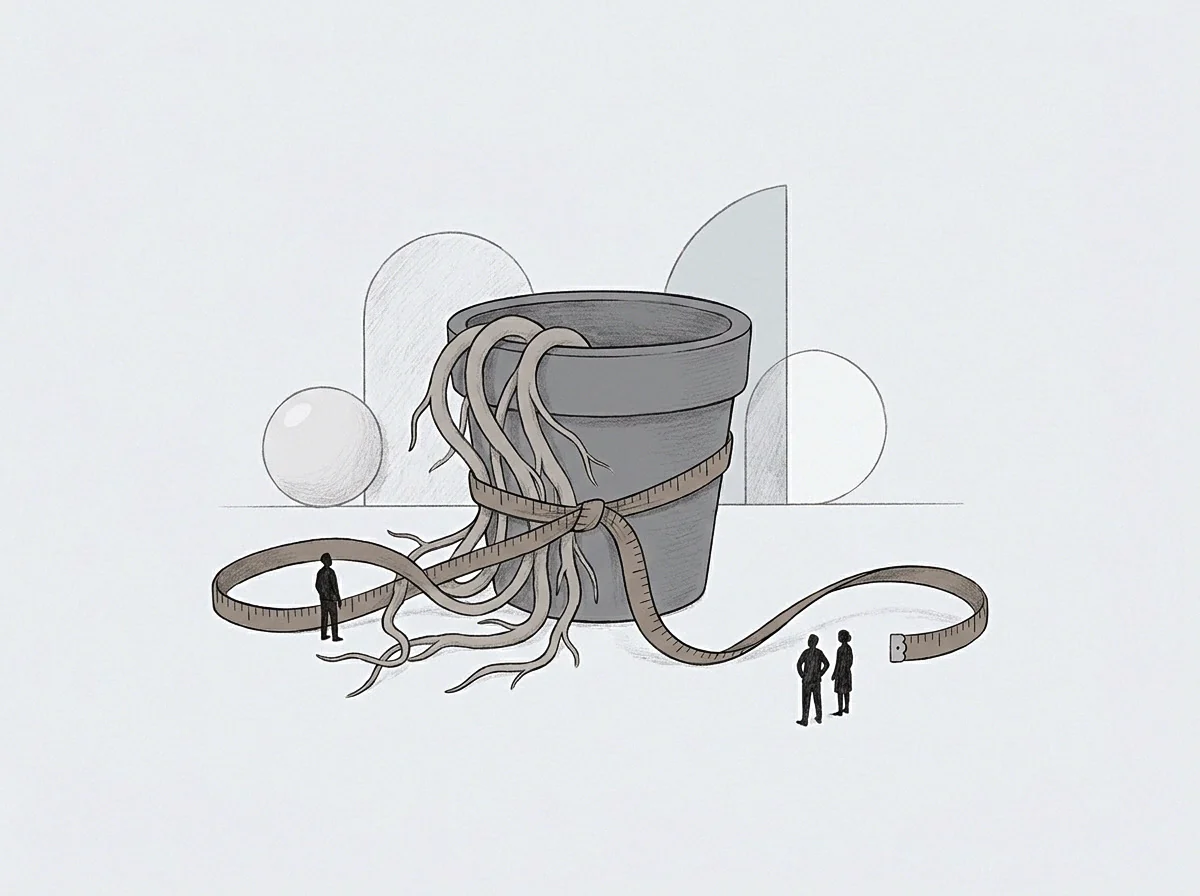
Throughput Pressures and Escalation Pathways
System overloads push immediate operational priorities ahead of governance. Standard protocols call for written sign-offs, peer reviews, and formal resource requests prior to modifying production environments. Under sustained pressure, teams experience these steps as friction.
Line staff often bypass standard communication channels, going straight to accessible senior operators for fast-track approvals or direct intervention. Senior personnel take on these tasks informally to keep queues clear. That unrecorded labor distorts throughput metrics across the board.
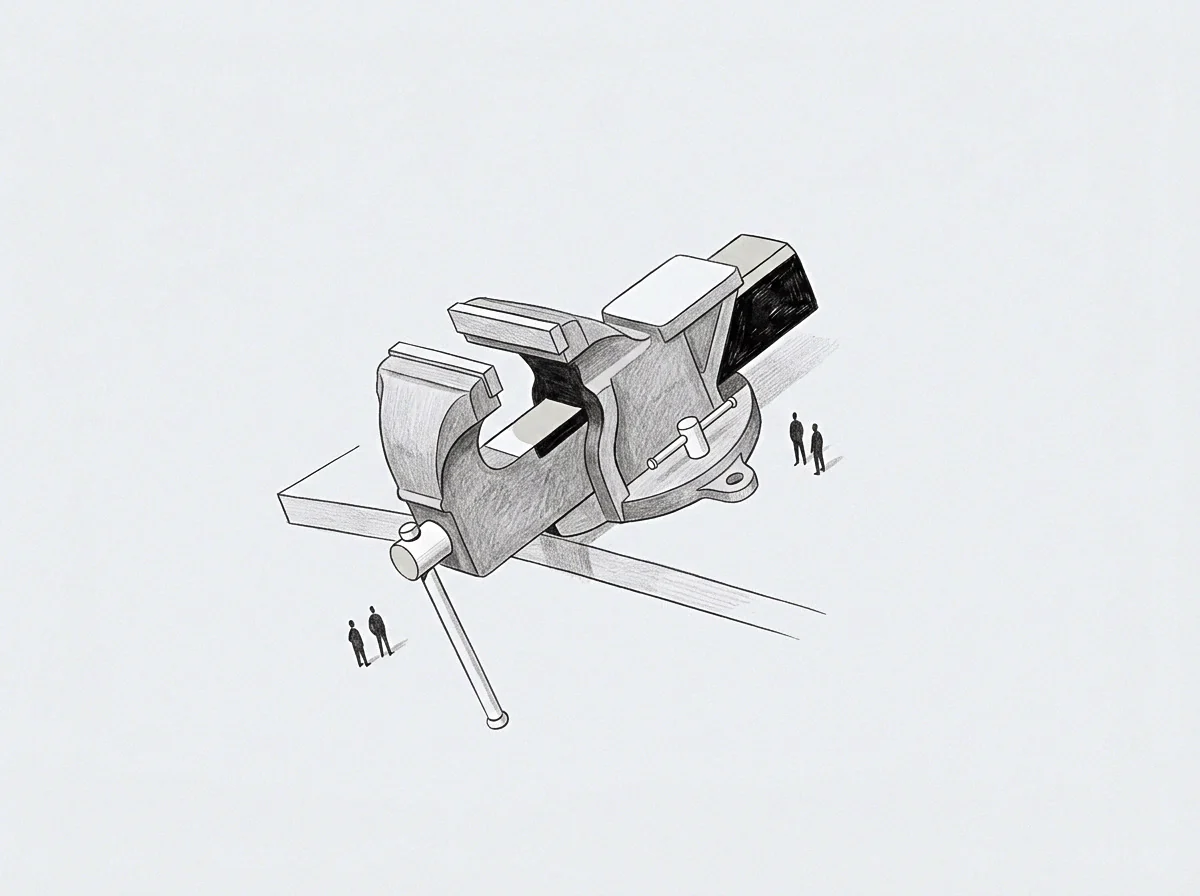
Informal Work Absorption Mechanics
Unassigned queue overflow usually lands on the most experienced person available. The person absorbing tactical tasks assumes the intervention is brief and exceptional. Under sustained load, organizations run into familiar patterns:
- Informal Deflection occurs when operational teams route incomplete deliverables to senior personnel to meet tight system deadlines.
- Tacit Reliance develops as junior staff rely on senior expertise to resolve routine execution blocks rather than consulting internal documentation.
- Margin Atrophy reduces available executive hours as line execution continuously consumes designated strategic planning time.
- Metrics Distortion hides actual operational headcount requirements by masking line execution work inside managerial labor hours.
Prolonged volume surges turn formal role definitions into loose, implicit expectations. When managers spend over thirty percent of their week on line engineering, the organization loses strategic direction while understating its delivery costs.
Unpriced operational interventions systematically obscure actual enterprise capacity costs from financial reports.
Relying on informal absorption instead of building structural capacity leads directly to managerial burnout and system bottlenecks.
Operating under unmanaged surge conditions forces senior personnel to trade long-term strategic integrity for immediate output delivery.
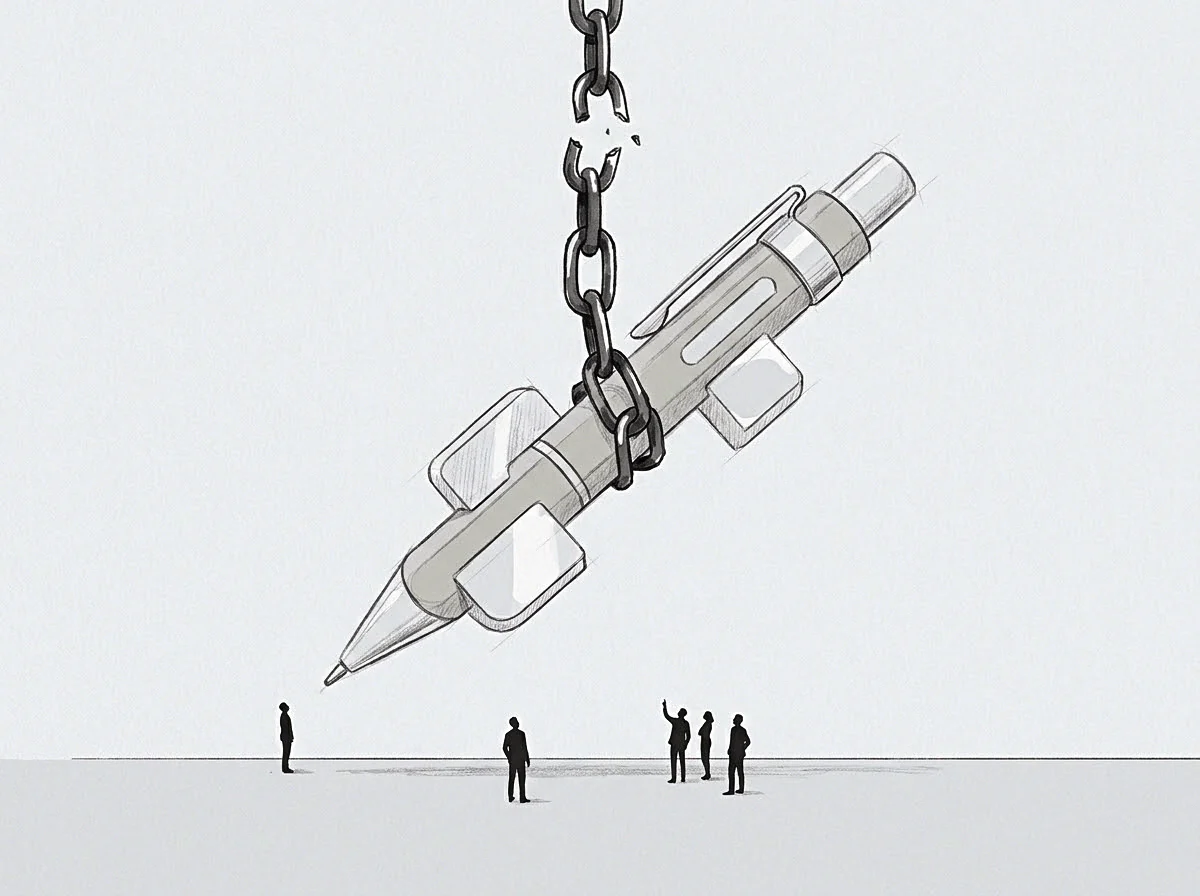
Breach
Informal task absorption creates systemic blind spots in operating budgets. Role boundaries dissolve when high workloads force teams to bypass standard job scopes. Unrecorded labor becomes the primary mechanism for meeting daily targets.
Executives find themselves working ticket queues, patching code, or dealing with vendors directly while core responsibilities sit idle.
The organization adapts to this patch, treating temporary emergency fixes as standard operating procedure. Responsibilities blur, authority weakens, and accountability for structural management drops off. The actual labor hours required to sustain output remain hidden within executive compensation lines.

What Triggers Role Scope Erosion During Peak Load?
Urgent incidents quickly expose missing protocols in operating units. When transaction volume spikes without warning, technical and administrative systems fail to scale alongside it. Capacity limits prompt manual interventions across engineering and operations, and the push to maintain uptime pushes documented roles aside.
Interventions intended for short-term crises often outlive the event. Managers retain direct access to tactical tools, credentials, and approval queues. Because returning to standard procedure adds friction, teams keep leaning on fast-track interventions.
Short-term convenience displaces structural discipline.

Tacit Knowledge Reversion
Senior operators frequently keep procedures stored in personal memory rather than writing them into shared documentation. When operational pressure demands speed, staff rely on that institutional memory instead of standard operating manuals. Critical context remains trapped with specific individuals, preventing effective delegation.
When tactical execution depends on unwritten personal expertise, line staff cannot work without executive direction. That ties managerial capacity directly to line operations. The manager cannot step away from daily tasks without stalling baseline delivery.
Unwritten operational reliance prevents task delegation and freezes managerial capacity inside tactical execution loops.
Operations will continue pulling executive attention into line bottlenecks until structural barriers prevent informal absorption.

Scale
Comparing governance models shows how explicit boundaries withstand operational strain. Different enterprise designs absorb volume through distinct structural approaches. Some organizations enforce strict scope limits at the expense of immediate speed, while others use fluid role definitions that sacrifice boundaries to keep delivery moving.
Examining these approaches highlights the trade-offs between boundary protection, short-term flexibility, and structural stability. Navigating prolonged volume surges requires an operational structure that guards management attention during peak cycles.
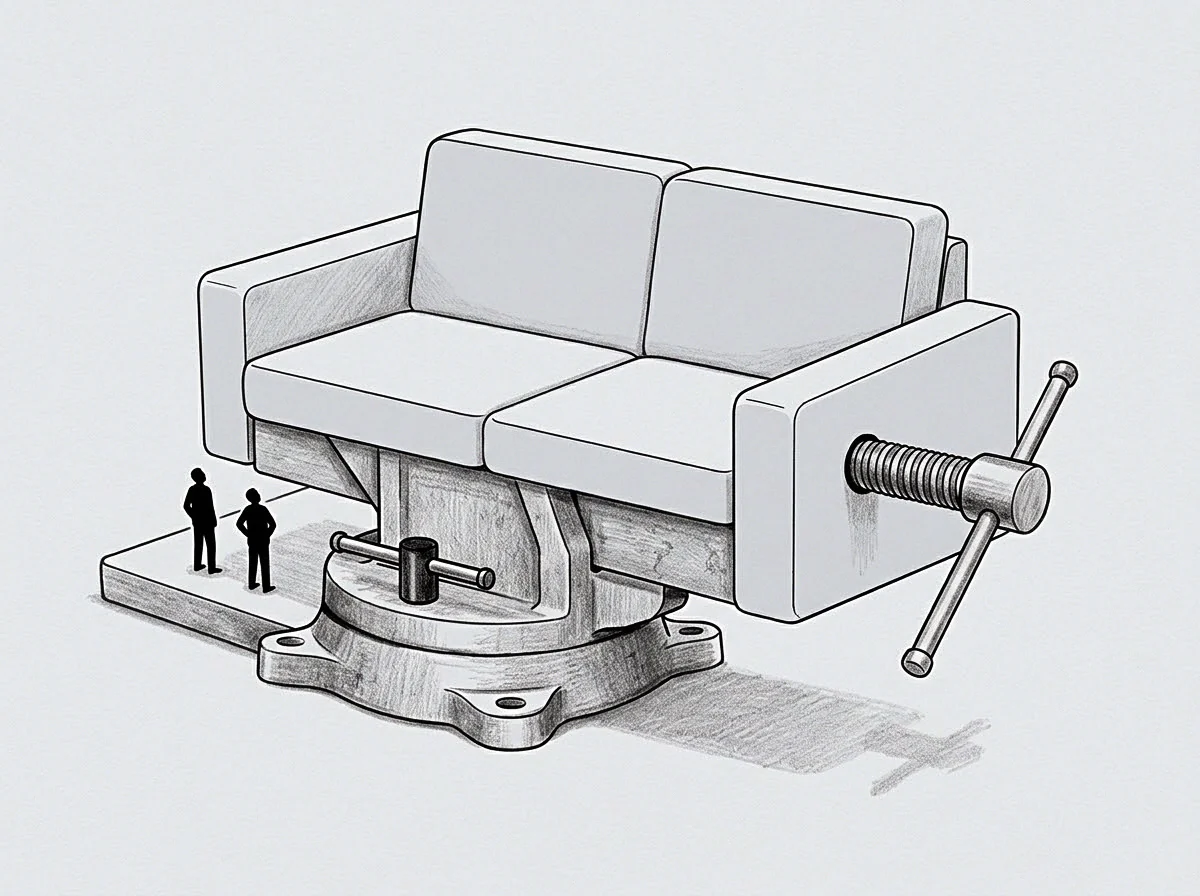
Structural Configurations for Scope Defense
Organizational designs handle role boundaries differently during operational crunches. The choice of architecture determines how well an organization avoids structural regression when transaction volumes outgrow normal thresholds.
| Governance Architecture | Boundary Defense Mechanism | Regression Vulnerability | Capacity Cost |
|---|---|---|---|
| Strict Functional Isolation | Hard system access limits and mandatory ticketing escalation chains. | Low. Personnel cannot access line tools outside designated roles. | High short-term operational latency during unscripted system crises. |
| Managed Matrix Governance | Formal dual-reporting scopes with strict capacity allocation ratios. | Moderate. Tactical needs periodically pull cross-functional time. | Increased administrative overhead for tracking cross-tier time usage. |
| Informal Adaptive Execution | Fluid task ownership governed by real-time queue priority demands. | Severe. Executive roles consistently collapse into tactical lines. | Extreme managerial exhaustion and total loss of strategic governance. |
| Data derived from cross-industry enterprise role governance evaluations under sustained load conditions. | |||
Strict technical separation offers the most reliable defense against scope decay. When system permissions block managers from accessing line tools, tactical absorption cannot happen informally. Handling an emergency then requires formal resource allocation rather than unrecorded labor.
Enforcing hard permissions pushes line teams to build genuine operational capacity. While this adds latency during sudden volume spikes, it keeps managerial capacity intact over time.
Hard access limits enforce role discipline by making informal execution physically impossible during operational spikes.
A formal contractual amendment specifying exact operational seat hours prevents informal task creep from altering baseline executive expectations.
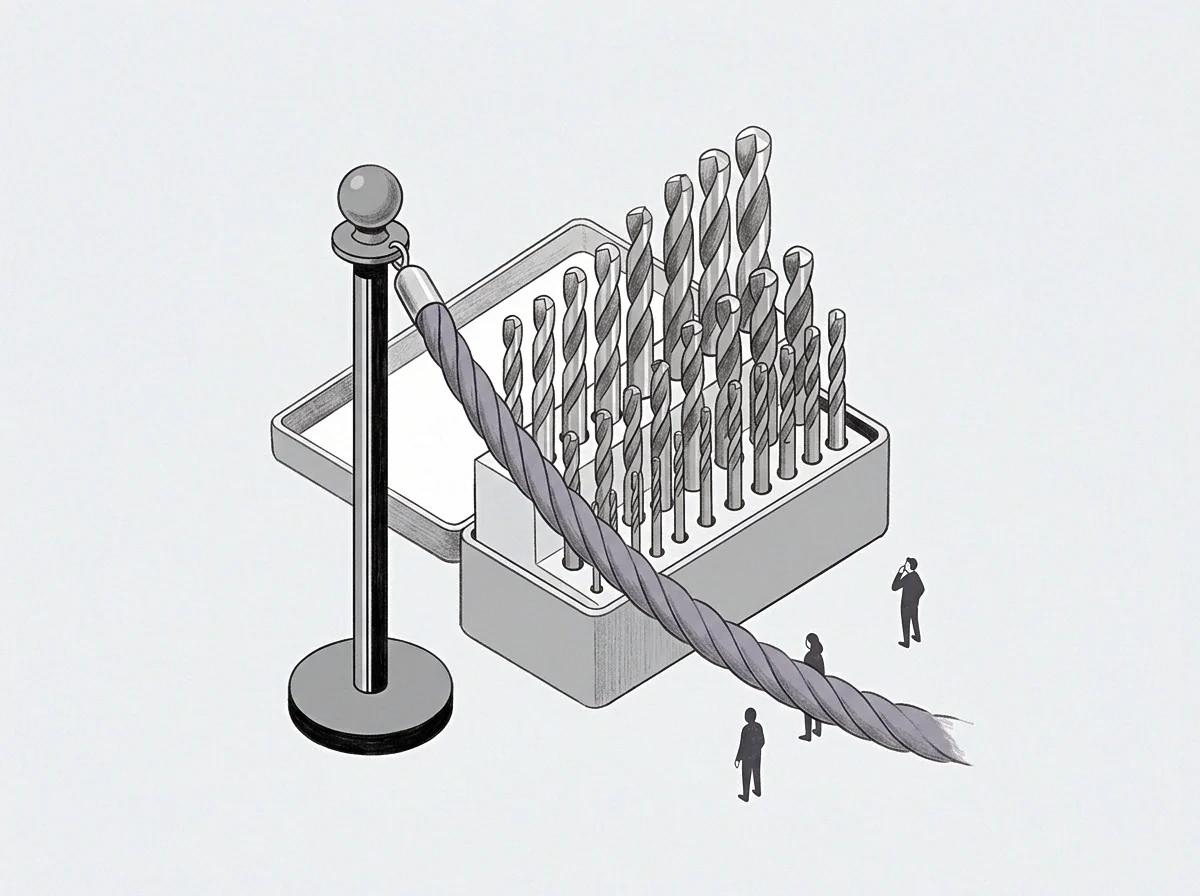
Guard
Protecting documented role limits from operational decay requires systematic escalation barriers. Defending seat boundaries demands clear mechanisms that hold up under the friction of enterprise volume spikes. Guardrails convert informal scope protection into standard operational practice.
Clear governance ensures that tactical emergencies prompt capacity adjustments rather than informal managerial absorption. Protecting executive focus requires setting clear operational boundaries before high-volume cycles begin.

Contractual Scope Hardening
Explicit job descriptions turn unstated assumptions into accountable resource commitments. Defending boundaries starts with defining clear role terms, capacity allocations, and non-execution lists. Defining these expectations removes uncertainty around task ownership during system crunches.
Role descriptions must state explicitly which queues an executive seat does not handle. Written non-execution guidelines give managers the backing to decline direct operational tasks, channeling incidents back into standard engineering workflows.
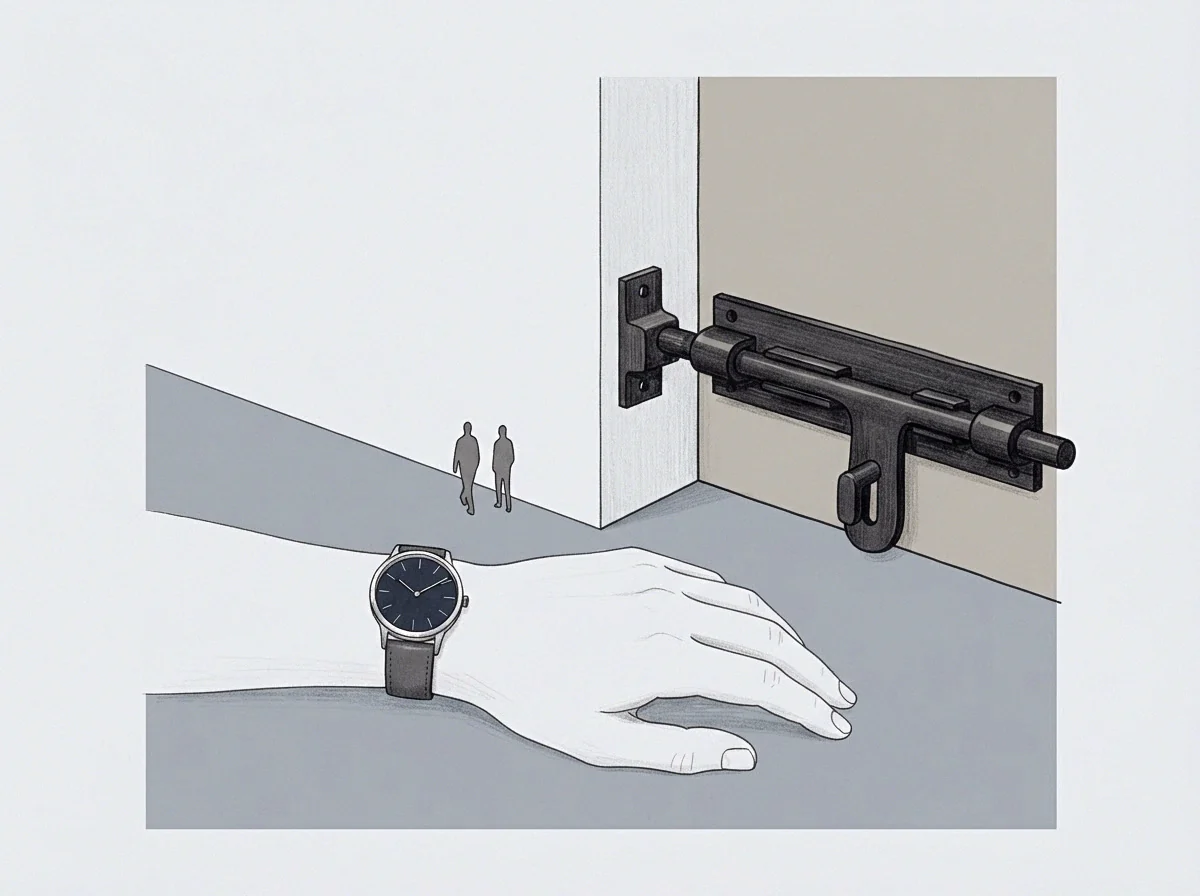
Execution Protocol Enforcement
Formal governance keeps unassigned tickets off executive desks. Leadership needs systematic protocols to manage operational surges without sacrificing managerial time:
- Implement hard technical access controls that prevent executive credentials from operating primary production systems during routine operational cycles.
- Establish automated queue throttling that reduces incoming transaction velocity when line staffing falls below required operational ratios.
- Mandate formal emergency authorization logs whenever senior personnel perform tactical execution tasks during major service outages.
- Conduct monthly operational role audits to detect informal task creep before tacit practices turn into baseline expectations.
Enforcing these protocols ensures that operational spikes highlight missing line capacity rather than draining executive hours. Systematic boundaries preserve strategic focus, letting the enterprise handle heavy volume without organizational drift.
How long can an enterprise maintain high-stress execution before unmanaged informal task creep permanently destroys managerial capacity?