Meaning
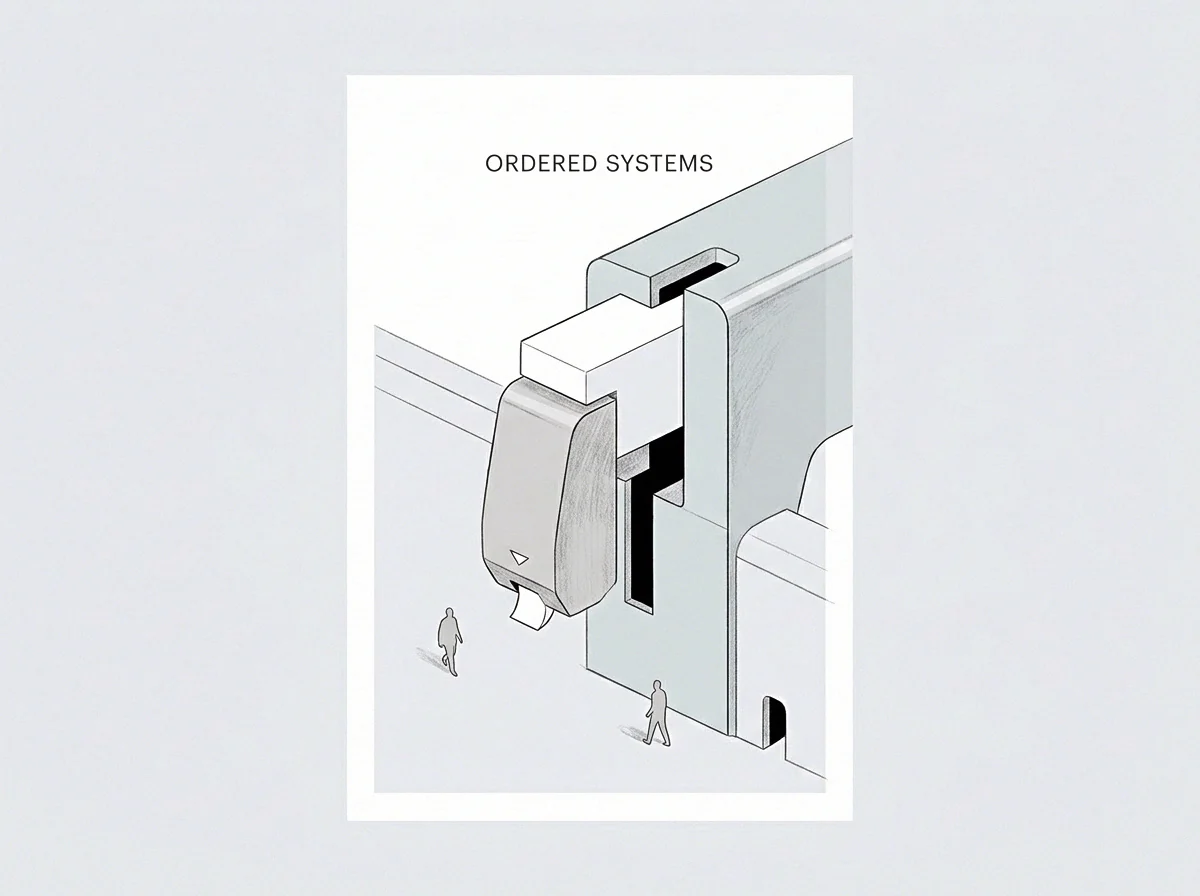
Lingering administrative tasks, unofficial escalation paths and legacy access rights remain attached to former leaders following formal leadership transitions. This operational residue manifests when staff continue consulting a retired founder on minor procedural questions, commercial exceptions or system configurations. The persistent dynamic blurs executive accountability across reorganized management teams.
It ceases to apply once all communication channels, signing authorities and operational escalations strictly bypass the former executive.
Friction Accumulation
Unofficial consultations consume advisory hours and confuse incoming operational managers. When operational residue persists, founders find themselves reviewing vendor agreements and mediating internal technical disagreements long after relinquishing executive pay. This continuous involvement prevents the former leader from dedicating full attention to strategic board responsibilities.
Dependency Retention
Subordinates avoid adapting to new leadership structures by relying on historical founder relationships. The informal access route undermines the successor authority and delays the formalization of scalable standard operating procedures.
Severance Requirement
Eradicating legacy connections requires systematic policy enforcement. Governing boards must revoke remaining legacy communication logins, redirect external partner inquiries to designated successors and mandate that all commercial escalations follow official corporate channels. Decisive elimination of informal founder dependencies enables the successor management team to establish clear operational control.
Clean operational separation protects both institutional efficiency and executive mental bandwidth.