
Transferring Operational Roles Across Small Firm Succession Protocols
Operational role succession succeeds by unbundling founder responsibilities into distinct functional tracks governed by graduated authority limits.
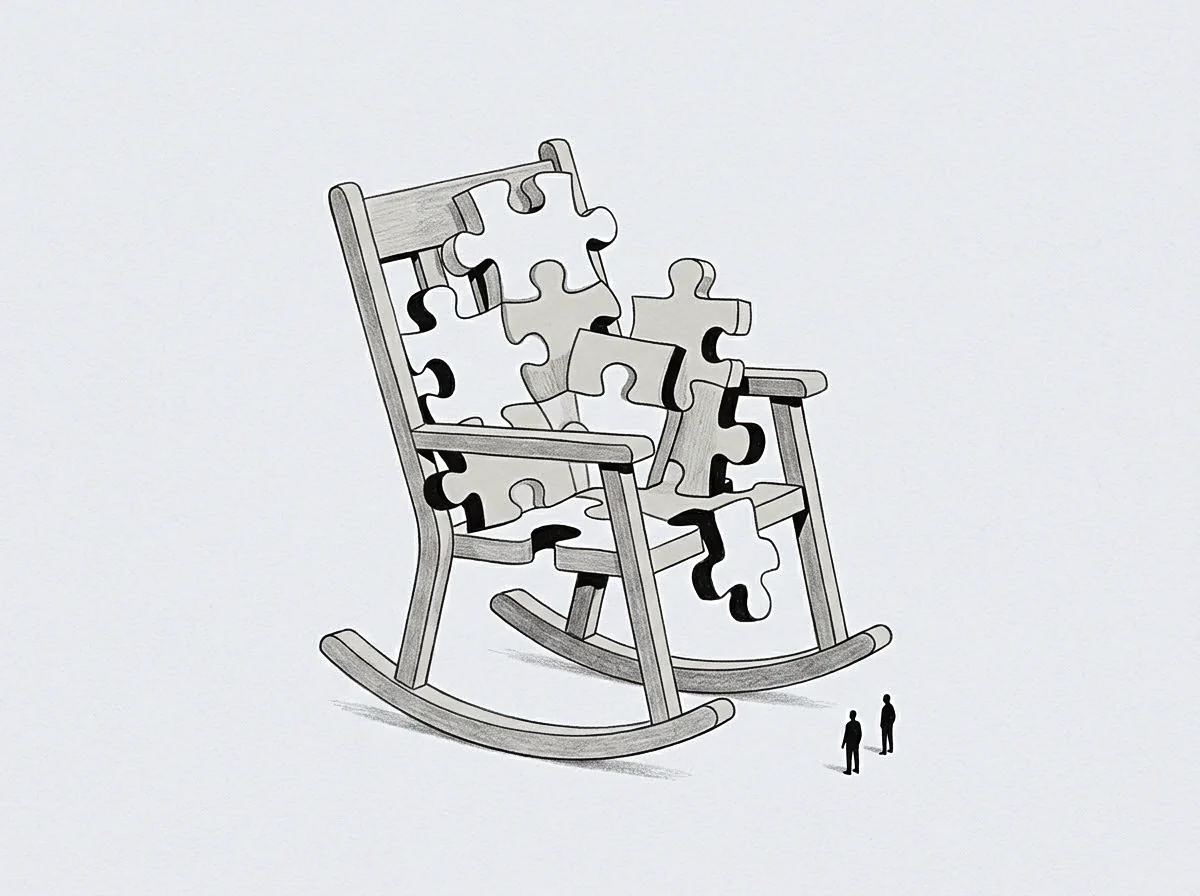
Split
Operational succession in a closely held enterprise stalls when the firm treats the founder as a single role rather than a bundle of interlocking functional seats. The person managing daily fulfillment simultaneously acts as credit guarantor, technical arbitrator, emergency scheduler, and relationship buffer. Separating these functions into distinct procedural tracks represents the initial demand of an operational handover.
Without an explicit catalog of every discrete authority exercised between Monday morning and Friday evening, any protocol remains purely legal rather than practical.
The daily reality of a ten-person manufacturing shop or a regional logistics agency reveals why documentation attempts stall on page two. The founder resolves twenty micro-exceptions before noon, adjusting a supplier tolerance, overriding a billing term, or reallocating shop capacity by intuition. These choices rely on historical knowledge that exists entirely outside standard operating procedures.
When a successor enters the business, the assumption that shadowing alone will transmit these decision paths proves false. Shadowing captures the observable action without conveying the internal boundary conditions that governed the choice.
A process remains unwritten while the person running it answers every exception in real time.
Breaking the operational bundle into manageable units requires cataloging every daily friction point across three distinct operational layers.
- Direct fulfillment management covers the allocation of human labor, physical assets, and immediate project schedules on an hourly basis.
- Commercial exception handling governs pricing variances, warranty claims, credit waivers, and client concession thresholds.
- Vendor dependency administration controls payment schedules, emergency procurement protocols, and supplier relationship management.
Each layer demands a separate transfer mechanism. Fulfillment management transfers through visible task delegation and checklist adoption. Commercial concessions require explicit financial ceilings.
Vendor governance transfers through introduction protocols and co-signing authority. A successor receiving all three simultaneously faces operational paralysis.
The operational split advances in distinct phases. The founder surrenders the fulfillment seat first while maintaining unilateral authority over commercial and vendor exceptions. This sequence protects enterprise liquidity while testing the successor’s capacity to maintain daily delivery volume.
Moving forward requires the incoming operator to master internal scheduling before confronting external negotiations.
Transfer speed depends entirely on the stability of the enterprise cash reserve.
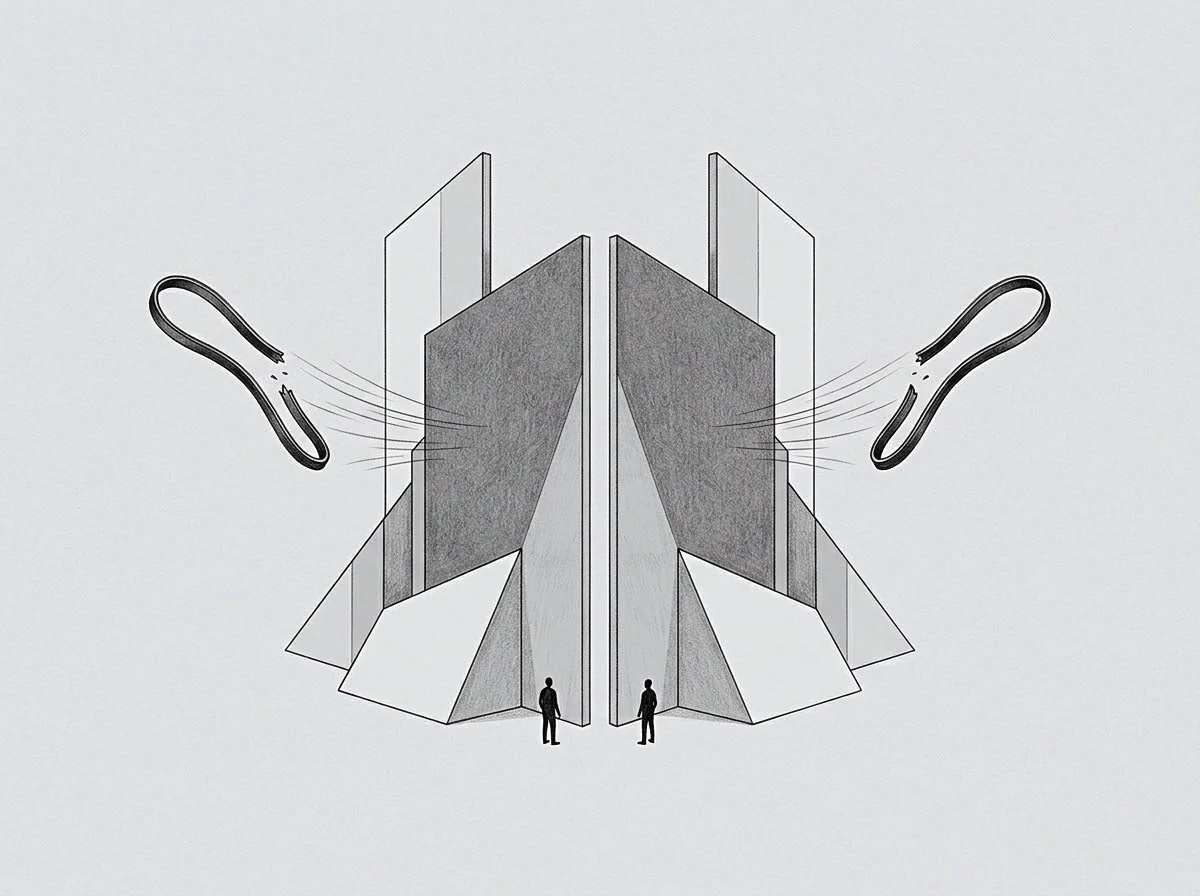
Scaffold
A structured transfer requires temporary support mechanisms that absorb operational shocks while the incoming manager builds task competence. The scaffold consists of written authority limits, shared communication channels, and scheduled escalation windows. These structural aids maintain client confidence during the transition interval.
Removing support mechanisms too quickly breaks customer trust, while keeping them too long prevents the successor from establishing operational control.
In practice, the scaffold functions through graduated decision bands. During the first sixty days, the incoming operator reviews every operational exception beside the outgoing owner. The successor articulates the proposed resolution, and the predecessor confirms or corrects the logic.
By day ninety, the successor executes decisions under an agreed dollar threshold independently, recording each choice in a shared ledger for weekly review. The predecessor stops attending daily standup meetings, appearing only during scheduled review sessions.
A silent calendar signals operational abandonment when the successor lacks written clearance protocols.
The primary vulnerability in this scaffolding process appears in customer communication. Long-standing clients instinctively bypass the successor, contacting the predecessor via personal telephone lines to secure historical concessions. The outgoing owner must redirect these calls without resolving the underlying request.
Directing the client back to the successor establishes the new operator’s authority in the marketplace.
When the predecessor intervenes directly to preserve client comfort, the scaffold collapses. The client learns that the successor possesses title without authority. Operational staff observe the bypass and resume escalating daily problems to the founder.
The transition loses momentum, extending the handover timeline and doubling management costs.
The business needs to run without the predecessor stepping back into the building every Tuesday.

Seat

Where Does Operational Authority Break During Handover?
Relinquishing an operational seat exposes the structural difference between formal governance rights and informal relational leverage. Formal authority transfers through corporate resolutions, amended operating agreements, and updated bank access privileges. Relational leverage remains with the departing founder until the market witnesses repeated, successful transactions executed entirely by the successor.
This lag creates a dangerous operational vacuum where staff hesitate to execute directives from the new leader.
The following matrix illustrates the distribution of operational authority across three phases of the handover protocol.
| Operational Domain | Phase 1: Shadowing | Phase 2: Co-Execution | Phase 3: Full Autonomy |
|---|---|---|---|
| Client Pricing Discretion | Predecessor decides, explains rationale | Successor drafts, predecessor signs off | Successor controls within margin targets |
| Supplier Negotiation | Predecessor leads, successor records terms | Successor leads, predecessor attends | Successor negotiates and executes alone |
| Staff Performance Discipline | Predecessor manages privately | Joint performance reviews conducted | Successor exercises unilateral management |
| Emergency CapEx Approvals | Predecessor sole signature | Dual signature above defined threshold | Successor sole signature to capital budget |
The shift from Phase 2 to Phase 3 represents the critical operational pivot. Transferring staff discipline presents the highest friction. Long-tenured employees frequently appeal the successor’s operational changes to the predecessor, seeking validation or reversal.
The predecessor supports the transition by refusing private audiences with staff regarding operational complaints.
Operational authority transfers only when the outgoing operator ceases answering direct escalations from legacy clients.
Physical occupancy reinforces authority distribution. The founder vacating the primary corner office creates an unmistakable visual signal of transition. Relocating the predecessor to an off-site advisory role reduces informal staff appeals and forces the organization to route all operational questions to the new occupant of the operational seat.
The operational consulting agreement stipulates that advisory compensation ceases immediately if the predecessor overrides a successor directive without prior board consent.
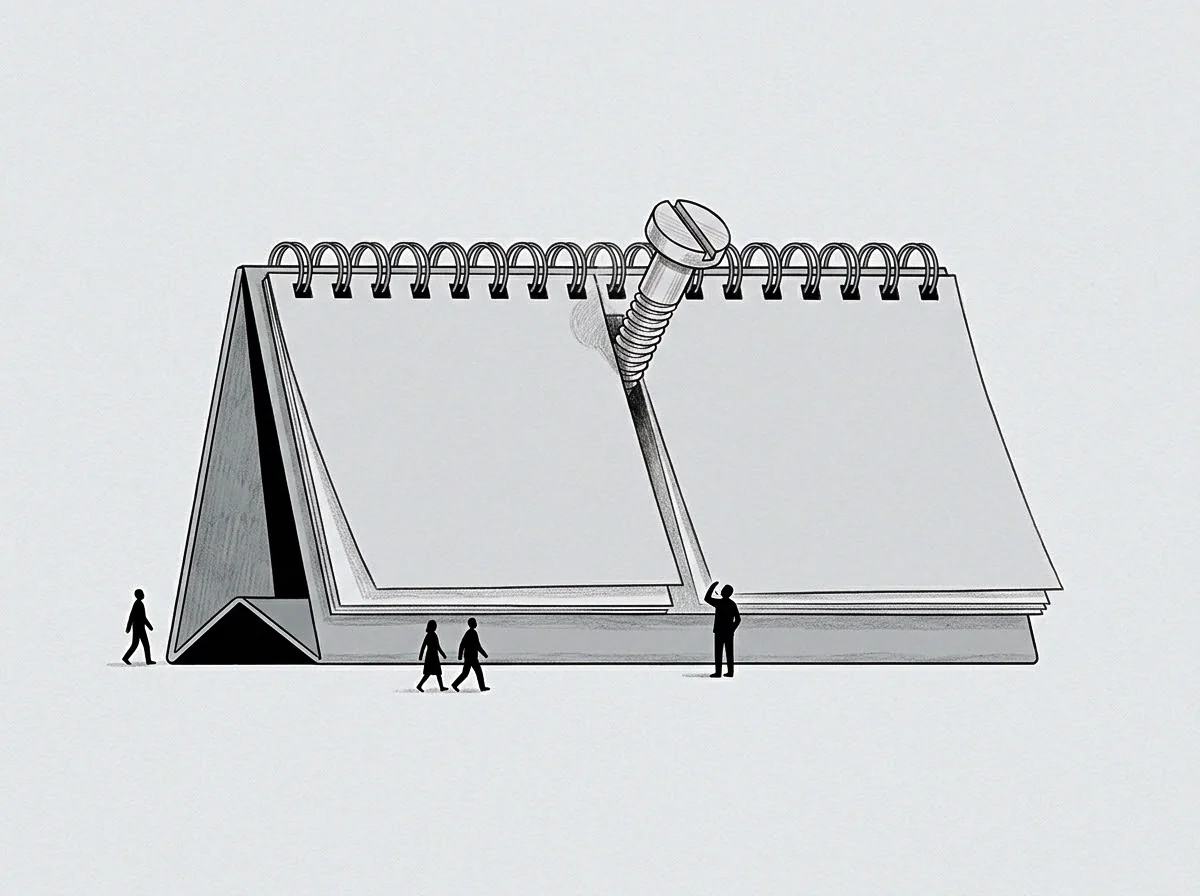
Floor
Every operational transfer protocol requires a baseline performance floor below which the business cannot fall without triggering predefined intervention rights. Operational performance indicators must measure workflow continuity, product defect rates, client retention, and working capital ratios. Setting clear quantitative boundaries removes subjective emotional assessments from the evaluation of the successor’s performance.
Assume a commercial electrical contractor generating six million dollars in annual revenue transitions management from founder to a senior project manager. The transition agreement establishes specific operational metrics that the successor must maintain during the eighteen-month buyout period.
- Gross margin retention requires monthly completed project margins to remain within two percentage points of the three-year historical baseline.
- Workforce continuity standards specify that technician turnover cannot exceed fifteen percent on an annualized basis across any single quarter.
- Working capital maintenance mandates that current assets divided by current liabilities remains above one point four throughout the handover cycle.
- Safety compliance ratings demand zero major reportable regulatory infractions during the operational probation period.
Tracking these performance thresholds requires clean, timely accounting data. Monthly financial statements delivered thirty days late prevent the board from identifying operational deterioration. Real-time project tracking systems provide the visibility necessary to evaluate whether the successor’s operational adjustments are stabilizing the enterprise or draining liquidity.
The outgoing owner retains operational control as long as bank signatory permissions remain undivided.
When operational indicators breach the agreed safety floor, the protocol must specify corrective remedies rather than an immediate, chaotic resumption of founder control. Step-in rights permit the predecessor to enter the facility in a defined advisory capacity for thirty days to audit workflows and recommend procedural corrections. Full managerial recapture occurs only after consecutive quarterly breaches of core liquidity covenants.
Mismanaged performance floors trigger lender covenant defaults, supplier credit reductions, and rapid key-employee departures.

Exit
The final stage of an operational handover requires the complete severance of daily operational communication between the enterprise and the predecessor. The outgoing founder relinquishes administrative passwords, company email accounts, building keys, and corporate credit cards. Maintaining residual access creates confusion among vendors and keeps the predecessor tethered to minor organizational problems that the new management team must learn to resolve independently.
Departing operators often struggle with the sudden absence of operational demands. The person who spent thirty years answering fifty calls a day confronts an empty calendar. Without disciplined boundary enforcement, the predecessor drifts back into the facility under the guise of informal social visits, inadvertently undermining the successor’s leadership presence.
True operational succession concludes when the business navigates a major commercial crisis without contacting the founder.
Post-transition enterprise durability rests on the institutionalization of operating procedures. Workflows that depend on personal intuition inevitably fail when the individual departs. Documenting standard processes, codifying client preferences, and building redundant vendor relationships transforms a founder-dependent firm into a transferable commercial asset capable of sustained operational independence.
The transition protocol leaves open whether an enterprise built entirely on personal founder charisma can ever achieve operational stability under professional management without fundamentally altering its market identity.