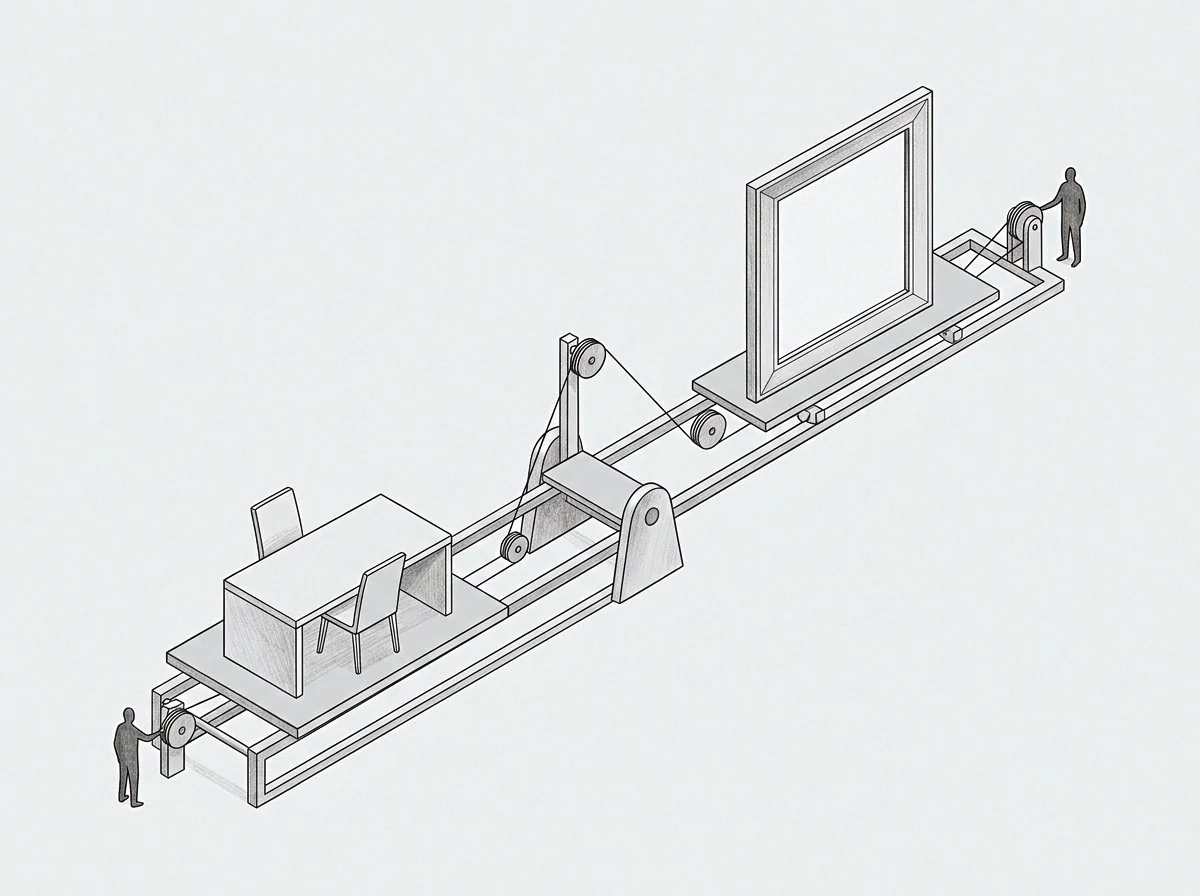
Meaning
The clear distinction between different sets of duties held by one person prevents confusion and conflict of interest. Effective role separation allows an individual to switch between a technical seat and a managerial seat without losing focus. This practice is necessary for founders who are transitioning from doing the work to leading the firm.
It stops being necessary once the organization is large enough for each person to hold only one role.
Duty Segregation
Defining the boundaries of each responsibility ensures that tasks are handled with the appropriate mindset. With role separation, a leader can allocate specific hours of the day to tactical operations and others to long-term strategy. This structure helps maintain high performance in both areas.
Context Switching
The mental energy required to move between different types of work is a major cost for any leader. By formalizing role separation, a person can reduce the friction of shifting their attention from one department to another. This discipline prevents the urgent needs of an operational role from drowning out the important requirements of a governance role.
The capacity of a leader is often limited by how effectively they can manage these transitions. Proper scheduling and environmental cues can assist in maintaining this distinction over long periods.
Conflict Mitigation
Separating the duties of oversight from the duties of execution protects the integrity of the business. In the context of role separation, a person must be able to audit their own work as if they were a third party. This objectivity is difficult to achieve but essential for maintaining high standards.