Meaning
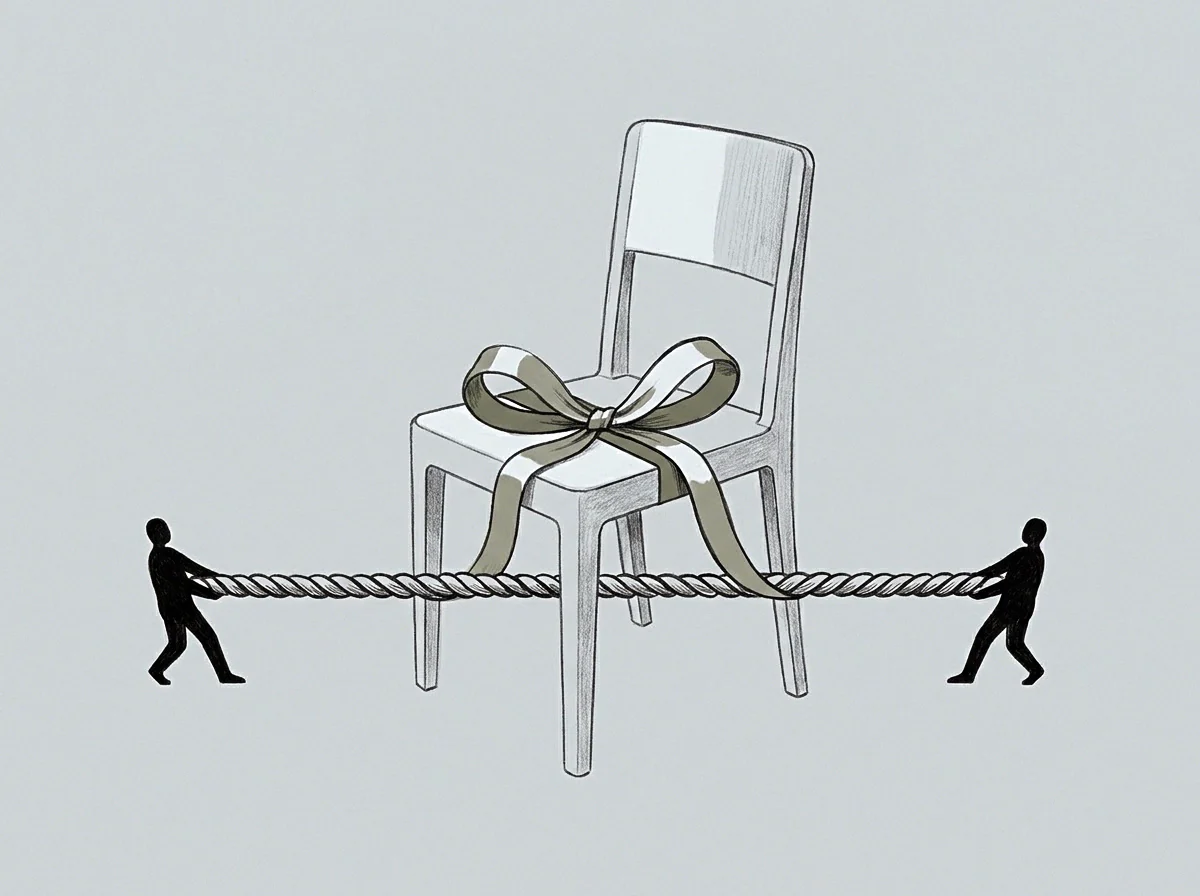
The power granted to a person by their title or location in an organization allows them to direct the actions of others. While influence can be earned, positional authority is formally assigned through the corporate hierarchy. This mechanism is used to define reporting lines and decision-making rights within a firm.
It remains in effect as long as the individual occupies the seat and the organization recognizes their title.
Formal Power
The right to issue orders and allocate resources is the primary feature of a high-level role. With positional authority, a manager can ensure that the team remains focused on the strategic goals of the company. This power is necessary for maintaining order and discipline in large groups.
Hierarchical Weight
Decisions made by a person in a senior seat carry more significance than those made at lower levels. Because of positional authority, the actions of a leader can have an immediate effect on the entire organization. This weight can be a burden for a person who is not used to the responsibility of high-level command.
The cost of exercising this power is the potential for resistance from subordinates who feel excluded from the decision process. Effective leaders use their formal power sparingly and prefer to lead through persuasion whenever possible.
Decision Right
Contracts and policies specify which individual has the final say in a particular matter. A clear distribution of positional authority prevents the confusion that arises when multiple people try to lead the same project. This clarity is essential for the smooth operation of any complex business.