
Aligning Earnout Financial Incentives With Staged Operational Delegation Schedules
Aligning earnouts with staged operational handovers requires linking authority transfers directly to financial metrics to prevent operational risk.

Joint
An earnout agreement ties monetary settlement to future enterprise earnings, whereas an operational delegation schedule dictates who holds authority over daily capital allocation and headcount. When a transaction combines these two mechanisms without structural synchronization, financial incentives directly clash with operational handovers. The selling party retains financial liability for financial performance targets while losing the authority required to execute the choices that produce those targets.
EBITDA and gross profit metrics depend on operational discretion. Strategic spending, pricing decisions, hiring timelines, and software vendor contracts dictate short-term margins. When an acquisition agreement strips the seller of executive authority through a fixed operational handover schedule, the seller remains financially exposed to operational decisions made by the buyer.
Operational control determines financial performance.

Structural Contradictions in Earnout Architecture
Earnout agreements assume that the key individual retains sufficient agency to influence financial outcomes during the contingent payout window. Delegation schedules assume that operational seats must transfer to buyer-designated operators rapidly to achieve integration. These two structural assumptions oppose each other when executed concurrently without contractual alignment.
Capital allocation decisions alter margins. A buyer who assumes control over the managerial seat at month six may choose to increase sales expenses, migrate cloud infrastructure, or eliminate specialized product roles to meet buyer enterprise standards. These choices depress short-term net earnings.
If the seller holds an earnout tied to twelve-month EBITDA thresholds, the seller absorbs the financial penalty of capital allocation choices made by someone else.

Decomposing Authority from Financial Liability
Role strain emerges when a seller moves from an owner-operator position into an employee seat while carrying owner-level financial risk. The seller occupies a position without sovereign authority over expenditure or strategic prioritization. The buyer owns the asset, commands the balance sheet, and retains veto power over operating budgets.
The operational handover schedule strips authority in phases. If financial metrics remain constant across those same phases, the deal structure creates a systemic deficit. Accountability without governance produces friction between acquisition partners.
Uncoordinated delegation schedules force sellers to work additional hours to offset lost operational authority, creating severe personal strain while accelerating dispute timelines.

Span
The operational span of a leadership position encompasses three distinct functional seats: the technician, the manager, and the executive. Each seat governs a different layer of the firm, claims a distinct portion of the work week, and carries separate delegation protocols during an acquisition transition.
The technician seat executes primary production, architecture, or direct revenue generation. The manager seat governs workflow allocation, internal performance tracking, and team scheduling. The executive seat determines capital deployment, strategic positioning, and equity strategy.
Sellers routinely occupy all three seats simultaneously prior to sale, masking the operational volume required to operate the enterprise.
Sellers who surrender executive capital authority before completing earnout milestones transfer financial control while retaining total performance liability.

Seat Decomposition Across the Earnout Window
Staged delegation requires decomposing the single position of owner into its constituent functional seats before setting financial target timelines. Handing over seats without adjusting metric targets misaligns financial returns with operational reality.
Transferring the technician seat first allows product knowledge transfer while keeping tactical authority intact. Transferring the manager seat second removes daily operational governance from the seller. Transferring the executive seat last ensures the seller maintains input over capital expenditure decisions until the earnout window closes.
- Technician Seat Transfer shifts technical execution, software build authority, and client service delivery to buyer talent while preserving managerial supervision within the acquired business unit.
- Managerial Authority Surrender transfers hiring choices, direct report line management, and internal operational budget management to buyer operational leads.
- Executive Governance Relinquishment forfeits final approval on capital expenditures, pricing matrix revisions, and long-term strategic investments.
The Operational Authority Gap
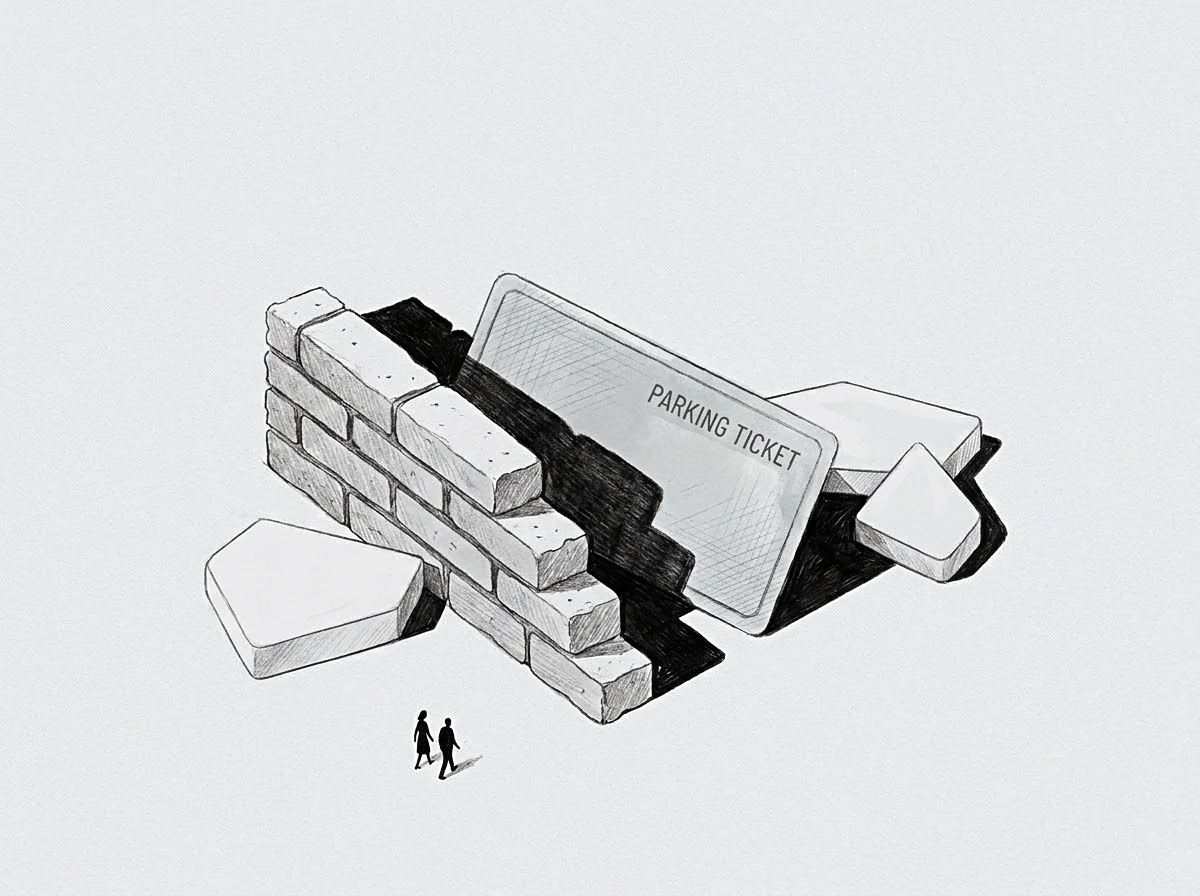
An authority gap emerges when an earnout target requires aggressive earnings growth while the delegation schedule strips the seller of spending authority within the same period. The seller loses the ability to approve marketing expenditures, hire key engineering talent, or adjust pricing terms needed to land targets.
Capital decisions directly alter margins. A buyer operating under corporate integration metrics may enforce standardized enterprise software vendors, increasing operating expenses by fifteen percent within a single quarter. That cost expansion reduces net profits and forfeits the seller earnout tier without any operational failure on the seller part.
Earnout clauses that fail to tie operational delegation schedules to specific budget guarantees shift operational transition risk entirely onto the seller.

Plank
Constructing a staged handover schedule requires matching specific financial metric thresholds to individual seat transfers. The operational transition moves step by step across defined operational planks, linking authority reduction to risk mitigation.
In a typical $15M enterprise acquisition with a $5M earnout contingent on achieving $3M in annual EBITDA over 24 months, structural alignment requires operational authority to match financial targets. If the seller surrenders budget approval power at month three while remaining obligated to deliver full-year EBITDA numbers, the structure breaks down.
| Structural Dimension | Unaligned Handover Schedule | Aligned Incentive Handover |
|---|---|---|
| Capital Authority | Buyer assumes total budget approval at closing. | Seller retains budget approval until Earnout Stage 1. |
| Headcount Control | Buyer controls hiring and team reassignment instantly. | Seller maintains key role hiring power during active targets. |
| Operating Expenses | Buyer absorbs corporate overhead into acquired unit. | Overhead allocations capped until earnout completion. |
| Dispute Vector | Litigation over buyer interference in performance. | Defined contractual recourse for operational shifts. |
| Role Definition | Seller operates as an employee with owner risk. | Seller operates as a dedicated transition officer. |
Staged Handover Mechanics in Practice
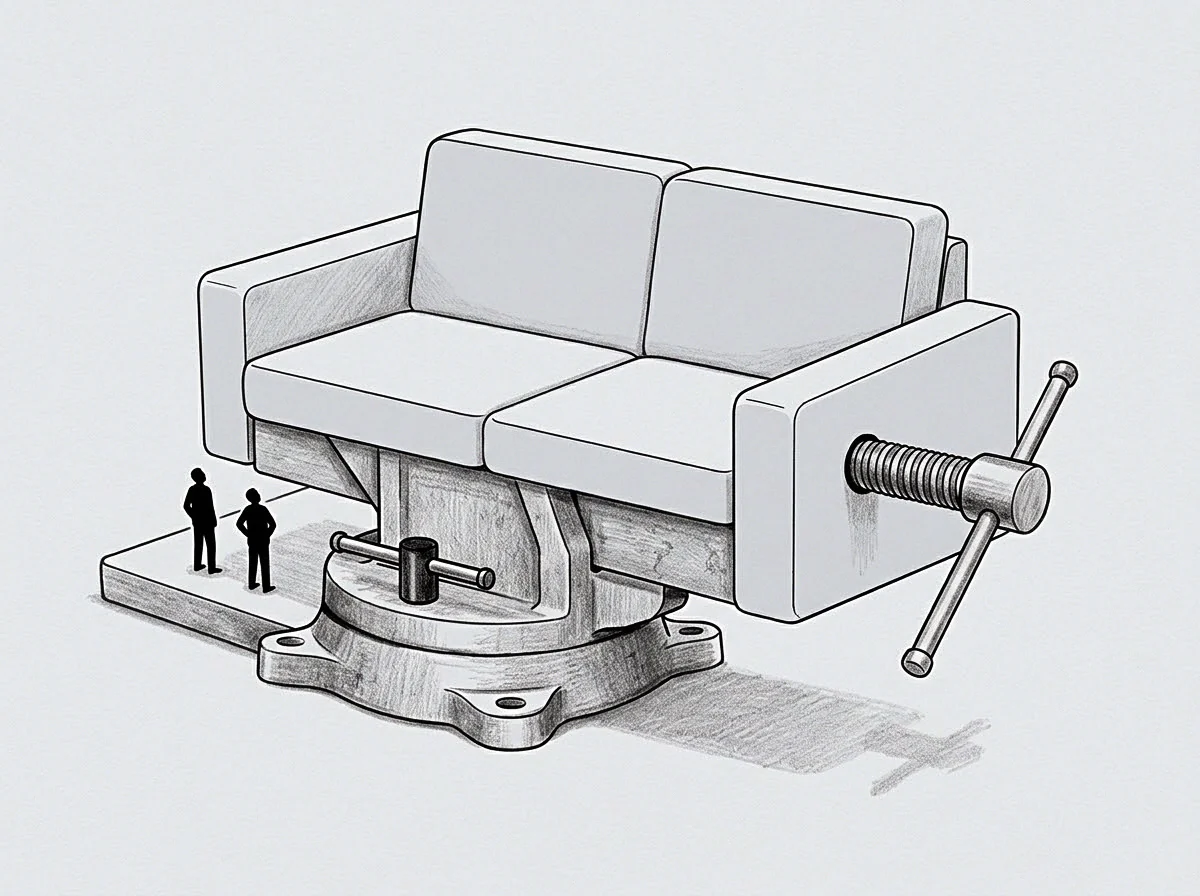
Consider an enterprise software firm generating $10M in revenue with $2M in EBITDA. The transaction sets a $4M earnout split across two twelve-month performance periods. Under an aligned staged schedule, the seller transfers seats based on milestone completions rather than arbitrary calendar dates.
Capping buyer overhead allocations during active earnout windows protects the net profitability metrics that govern contingent payouts.
Stage one preserves manager and executive seats with the seller while delegating technician functions during the first year. The seller retains full control over software roadmap investments and sales team incentives, delivering the year-one EBITDA target of $2.2M. Stage two hands over managerial functions once sixty percent of the earnout is secured and paid into escrow.
Stage three completes the final executive handover only after the final earnout measurement window concludes.
“The operational spending choices made during year one reduced profit margins beyond the threshold where any contingent payment could be recovered.”

Drift
Operational drift describes the unscripted expansion of seller duties or buyer intervention that occurs when contractual delegation schedules neglect tacit work. Tacit work comprises informal vendor negotiation, implicit customer management, and undocumented engineering fixes that the original owner executed without logging hours.
When delegation schedules transfer explicit responsibilities but leave tacit knowledge untracked, buyer teams fail to maintain baseline operational efficiency. The seller then steps back into the technician or manager seat informally to prevent financial target collapse, working unpaid extra hours to protect earnout value.
Tacit work escapes conventional financial reporting.

When Does Earnout Revenue Target Contradict Delegation Authority?
A contradiction arises the moment buyer integration priorities override seller revenue strategies while holding earnout financial targets fixed. If the buyer requires the acquired firm to adopt a slower enterprise sales cycle while the earnout demands short-term monthly recurring revenue growth, the operational model fails.
- The buyer institutes central procurement policies that delay vendor onboarding from three days to six weeks.
- Sales team commission structures are standardized to buyer global levels, causing key account account executives to leave.
- Product releases are paused to perform internal compliance security audits demanded by the buyer enterprise framework.
- Monthly revenue falls behind earnout run-rate requirements while the seller lacks authority to reverse policy changes.
When buyer policy changes reduce operational velocity, fixed financial earnouts function as uncompensated price reductions on the deal.
Unstated terms expand buyer operational liability.
How does an earnout agreement maintain enforceability when buyer corporate re-organizations permanently eliminate the business unit responsible for generating the target revenues?

Remedy
Aligning earnout financial incentives with staged delegation schedules requires precise legal and operational protective covenants. Contracts must tie operational delegation milestones to financial protections, ensuring that any removal of authority is accompanied by metric recalibration or metric insulation.
Operating covenants should specify that if the buyer enforces structural operational changes, the financial metrics governing the earnout automatically adjust. A buyer who reallocates seller engineering talent to broader corporate projects must accept an equivalent reduction in the earnout EBITDA hurdle.

Contractual Covenants for Operational Handovers
Effective agreements incorporate protective clauses that govern post-close operational authority. These clauses convert informal operational agreements into enforceable deal mechanics.
Budget freeze covenants prevent buyers from saddling the acquired entity with central corporate expenses during the earnout window. Key personnel protection clauses prevent the buyer from transferring high-performing sales leads or engineers away from the earnout business unit without explicit seller consent.

Metric Recalibration and Governance Triggers
Governance triggers create automated contractual adjustments when delegation schedules accelerate ahead of timeline targets. If a buyer accelerates the manager seat handover by six months, the earnout metrics shift from net EBITDA to gross revenue or top-line retention targets less sensitive to buyer cost allocation choices.
Accelerating operational delegation without shifting earnout metrics from EBITDA to gross revenue transfers uncompensated margin risk to the seller.
Delegation shifts daily operational priority.
Tying operational authority loss to revenue-based financial metrics prevents post-acquisition buyer intervention from eroding seller financial consideration.