Meaning
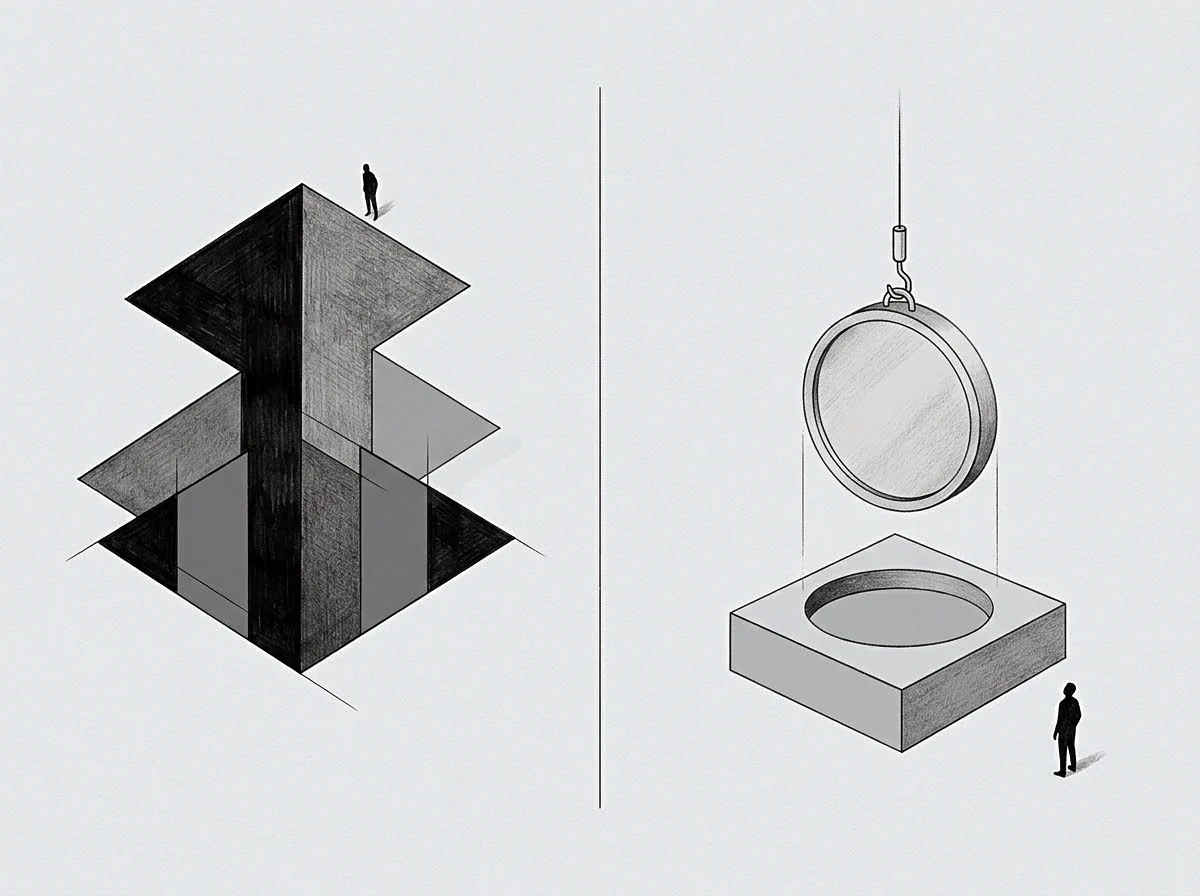
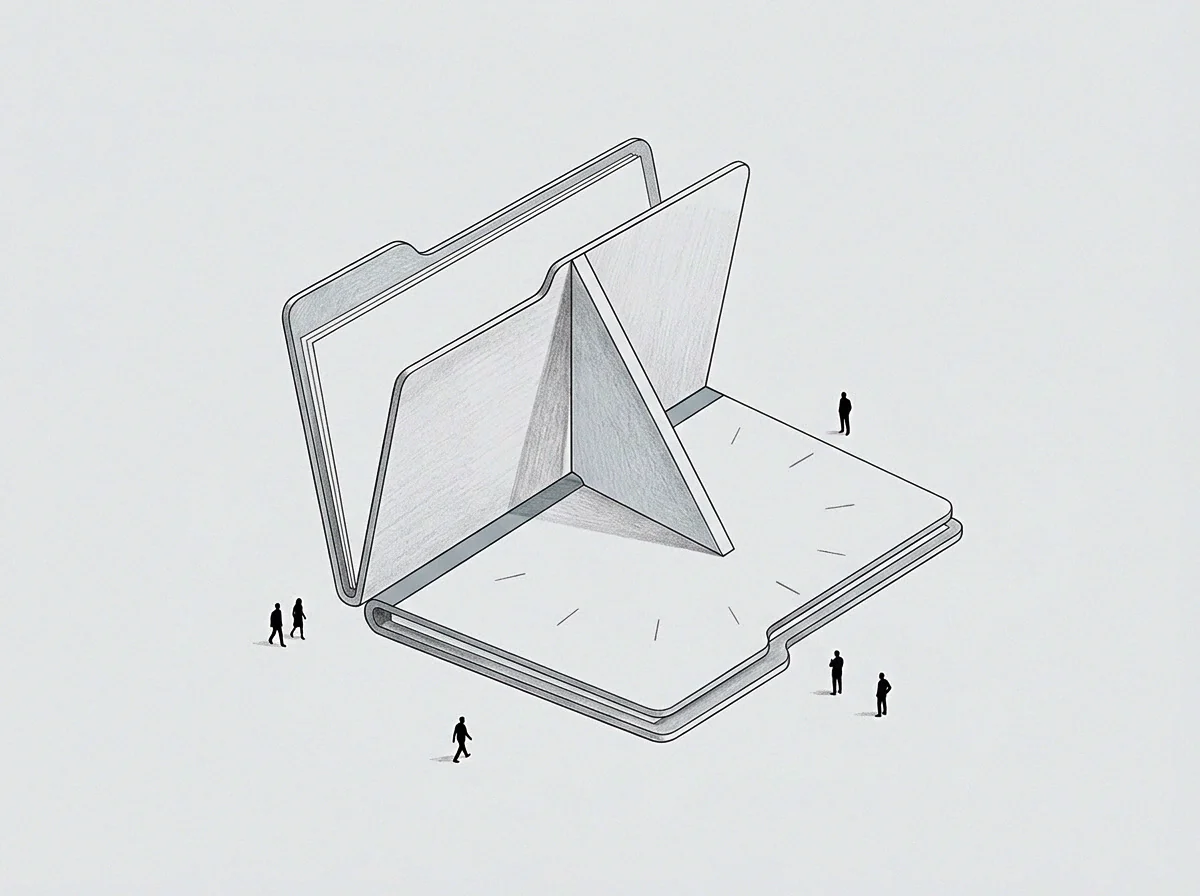
Structural methods that break down a single leadership role into distinct sub-roles isolate the various functions a founder performs. This seat decomposition allows an organization to distribute a founder’s diverse responsibilities across multiple specialized positions during a leadership transition. This practice separates the strategic and operational duties of the original role.
The primary benefit is that the business becomes less dependent on a single individual’s unique talents. For example, when a founder acts simultaneously as the chief executive and the lead product developer, the organization cannot find a single successor who replicates that combination of skills. By dissecting these duties into standalone jobs, the venture can hire tailored professionals for each position.
Role Division
Splitting a complex executive seat requires identifying the specific hours and skills dedicated to each operational task. Through seat decomposition, a company can divide the founder’s former day-to-day work into manageable roles like technology director and operational manager. This division reduces the pressure on any single successor.
It makes each new seat easier to fill with professional managers from the open market.
Coordination Overhead
Increasing the number of managers demands more communication to keep the team aligned. When a seat decomposition is executed, the organization swaps the fast decision-making of a solo founder for the slower, more collaborative processes of a committee. The time spent in internal meetings grows.
This creates a friction that can delay product releases or strategic partnerships, shifting the cost from personal exhaustion to corporate speed.
Structural Efficiency
The enterprise emerges from this restructuring with a more stable and predictable management system. Because the founder’s old seat was a product of history rather than design, separating it into logical parts improves overall execution. It ensures that specialized tasks are handled by professionals with the right training.
This specialization creates a foundation for scaling the firm past its initial limits.