
Capital Ownership Governance In Owner Managed Middle Market Enterprises
Middle market capital governance separates operational management wages from equity dividends through formal operating contracts and structured voting classes.

Bench
Middle market enterprises operating between ten million and one hundred million in annual revenue frequently combine equity ownership and daily management within a small founding group. That overlap blurs the boundary between operational work and board authority. During early growth, a founder moves fluidly between frontline execution, management, and shareholder governance without distinguishing which role drives a given decision.
As revenue expands, this conflation of labor and ownership creates persistent friction over executive compensation, strategic direction, and capital allocation.
An operational role breaks down into three distinct seats: technician, manager, and founder. The technician seat delivers functional output, relying on specific technical skills and direct hours. The manager seat organizes systems, coordinates personnel, and enforces operational metrics.
The founder seat holds equity, carries financial risk, and retains final legal authority. Friction builds when a founding owner fills all three seats without separating their distinct costs and performance metrics; occupying a role without defining it produces predictable structural strain.

The Separation of Wages from Ownership Yield
Operating executives in private firms often blend market-rate salaries into year-end cash distributions, understating executive compensation on financial statements and obscuring true operating margins. Because market wages clear before profit distributions, an owner-operator working for a nominal salary while taking large quarterly distributions causes the business to understate its cost of management. Any buyer or prospective successor evaluating the enterprise will adjust payroll to market rates, directly reducing reported earnings before interest, taxes, depreciation, and amortization.
When operational labor is compensated below market rates, dividend distributions reflect unrecognised payroll costs rather than genuine capital returns.
Separating market wages from dividends creates clear boundaries between labor performance and capital returns. An active owner receives a market salary benchmarked against industry data for companies of equivalent scale, while operational performance bonuses remain tied to management metrics like earnings targets, cash flow, and safety. Ownership yield—whether paid out as dividends or built through capital growth—accrues strictly to equity shares according to ownership percentage, regardless of daily involvement in the office.
Confusing market wages with ownership yield distorts tax structures, hides underlying unit economics, and exposes the company to liquidity crunches during executive transitions.

Share
Equity structures in owner-managed businesses define how decision rights and financial proceeds split between founding partners and outside investors. In closely held companies, equity carries two distinct rights: voting power to elect governance boards and economic rights to receive dividends and liquidation proceeds. Tying voting weight directly to economic interest works while all shareholders maintain equal operational roles, but friction arises as daily involvement diverges across the enterprise lifecycle.
When an active founding partner steps back from daily management while retaining fifty percent of voting equity, operational leadership can stall. The remaining executive generates daily revenue but lacks the legal voting authority to approve capital expenditures, debt financing, or executive hires without the passive partner’s consent.

Mechanisms for Separating Voting Control from Economic Interest
Founders bringing in outside capital or structuring employee equity grants often preserve board control through distinct share classes. Separating governance rights from economic distributions protects operating continuity while allowing non-founding executives or passive family members to participate in equity growth.
| Governance Structure | Voting Right Allocation | Economic Rights Distribution | Operational Friction Risk |
|---|---|---|---|
| Single-Class Common Equity | Proportional to total equity held across all shareholders. | Identical distribution rights per equity unit. | High risk of operational paralysis during partner disputes. |
| Dual-Class Voting Units | Voting power concentrated exclusively in Class A units held by active management. | Class A and Class B units participate equally in cash distributions. | Low risk of operational deadlocks; protects operating decisions. |
| Voting Trust Agreement | Legal voting authority delegated to a single designated trustee. | Beneficial owners retain full rights to dividends and capital gains. | Moderate risk dependent on trustee neutrality and contract term clarity. |
Implementing a dual-class share structure allows an owner-managed business to offer equity incentives to key operating officers without surrendering strategic voting control. Non-voting units provide economic upside tied to valuation growth while governance authority remains with active managing partners.
- Class A Voting Shares allocate decision control strictly to active managing partners while preserving proportional economic distributions for passive holders.
- Non-Voting Growth Units grant equity appreciation rights to middle managers without diluting board governance authority.
- Voting Trust Agreements concentrate board representation into a single seat to streamline shareholder decisions during major acquisitions.
Unstated expectations create persistent friction: equity issued at founding remains an ownership stake regardless of whether operational involvement later declines.

Vault
Capital allocation policies govern how net operating profits are split between company reserves and cash distributions to owners. Middle market businesses requiring ongoing capital expenditure face constant tension between active operators reinvesting in equipment and passive owners pressing for cash distributions. Without explicit distribution rules, allocation decisions routinely trigger friction among partners.
When operating profits sit in enterprise bank accounts without defined reinvestment targets, passive shareholders view retained earnings as withheld income. Active operators, by contrast, see cash balances as essential buffers against supply chain disruptions or customer concentration risks.

Worked Situation in Capital Distribution Governance
Consider a manufacturing enterprise generating thirty million dollars in annual revenue with two equal fifty percent equity holders: Partner A serves as active chief executive on a market salary, while Partner B retired from daily management two years prior. Net operating profit before distributions reaches three million dollars in a given fiscal year.
Partner B requests an immediate cash distribution of one million five hundred thousand dollars, representing fifty percent of net profit. Partner A seeks to retain two million dollars inside the business to fund an automated machinery upgrade, leaving only one million dollars for total shareholder distributions. Without explicit governance terms in the operating agreement, neither owner has legal authority to overrule the other.
A mandatory dividend distribution clause tied directly to free cash flow prevents majority owners from indefinitely locking up capital to starve minority shareholders.
Resolving distribution disputes requires predefined formulas in the operating agreement. Sound capital governance defines target cash reserves through explicit financial ratios rather than discretionary board votes.
The enterprise establishes a working capital formula requiring cash reserves equal to sixty days of operating expenses plus twelve months of scheduled principal debt service. Free cash flow above that threshold releases automatically into mandatory quarterly distributions, turning capital allocation into an objective calculation governed by written policy.
A board-approved working capital reserve formula requiring twelve months of debt service prior to dividend payments shifts distribution decisions from partner preference to verifiable financial metrics.

Shift
Ownership transition in middle market enterprises requires explicit contractual mechanisms to transfer equity when an operator exits. Retirement, disability, death, or resignation destabilizes a closely held company when equity remains tied to departing individuals, forcing remaining owners into unintended partnerships with former colleagues, surviving spouses, or estate liquidators.
Buy-sell agreements establish mandatory valuation rules and payment terms before transition events occur. Without pre-established redemption terms, departing owners tend to demand peak earnings multiples while continuing owners cite market risks to drive down the purchase price.
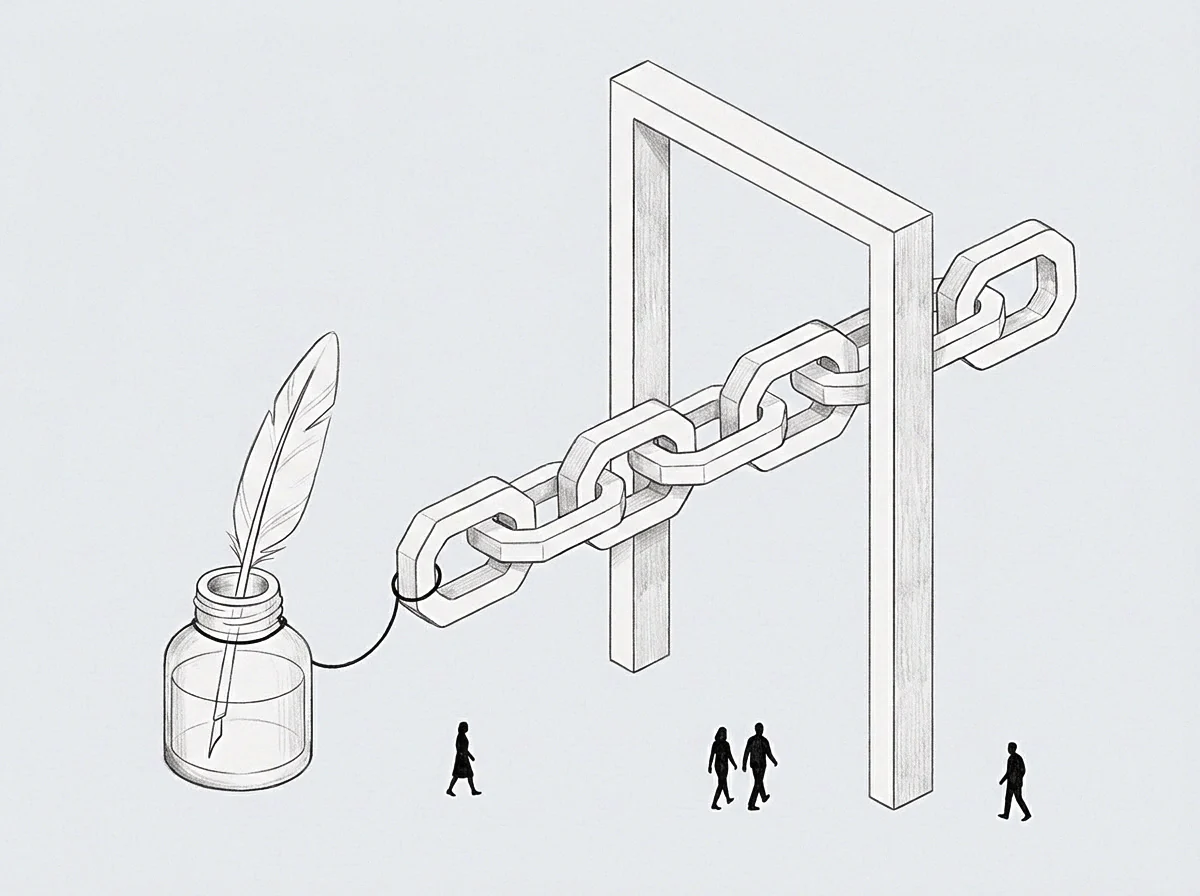
What Triggers Automatic Equity Redemption in Owner Contracts?
Mandatory buyback clauses activate upon specific trigger events written directly into operating agreements. Clear triggers prevent equity paralysis by establishing explicit paths for equity redemption.
- Termination of active employment by an operator initiates a mandatory valuation window of sixty days.
- Independent appraisal establishes enterprise fair market value using a trailing twelve-month EBITDA calculation.
- The remaining active owners execute an initial down payment of twenty percent from company reserves.
- The remaining equity balance converts into a five-year promissory note bearing fixed commercial interest.
Key-person life insurance policies fund equity redemptions triggered by unexpected partner death or permanent disability. Insurance proceeds allow the business to purchase shares directly from the estate, providing liquid cash to surviving heirs while preserving equity control for active management.
Valuation formulas set during times of operational harmony prevent costly litigation when executive relationships break down.
Whether an enterprise can fund a compulsory equity buyback without degrading its operational leverage remains a key vulnerability in middle market capital governance.

Treaty
Governance agreements establish operational guardrails, deadlock resolution procedures, and minority protections to maintain enterprise stability. In fifty-fifty ownership structures, equal voting rights frequently produce corporate paralysis during strategic disputes. When partners reach irreconcilable conflict over major initiatives, traditional voting structures offer no path forward short of dissolution.
Minority owner protections balance majority control rights against shareholder exploitation. Drag-along rights allow majority equity holders to compel minority shareholders to participate in a third-party sale under identical financial terms. Tag-along rights grant minority shareholders the option to join outside sales initiated by majority owners, preventing majority holders from liquidating controlling interests while leaving minority investors trapped in illiquid holdings.

Resolving Fifty-Fifty Owner Deadlocks
Equal ownership structures create severe vulnerabilities when founding partners reach an impasse on strategic decisions. Common deadlocks involve major capital commitments, expansion into new territories, or removing underperforming family members from executive seats. Resolving gridlock without eroding commercial value requires clear contractual mechanisms.
A structured resolution pathway begins with a formal negotiation window governed by internal cooling-off periods. If negotiation fails to yield agreement within thirty days, the dispute escalates to non-binding private mediation conducted by an independent industry professional. If mediation fails, contractual clauses trigger specific resolution options.
Shotgun buy-sell covenants, often termed Texas shootouts, force resolution by allowing one partner to name an equity purchase price per share. The recipient partner must choose either to buy the offering partner’s equity at that price or sell their own equity back at that exact figure. That symmetry forces realistic pricing, since naming an unfair valuation risks an immediate buyout at that price.
An independent board member with a binding vote breaks operational deadlocks before shareholder conflicts reach judicial dissolution.
Appointing an independent outside director to a board of directors provides preemptive deadlock protection. Assigning a single tie-breaking vote to an experienced advisor prevents partner gridlock from escalating to shotgun buyouts or court-ordered liquidations. Independent governance seats provide structural neutrality, allowing the business to navigate strategic disagreements without forcing premature liquidation or emergency equity sales.