
Designing Operational Safeguards To Protect Job Boundaries Under Heavy Surges
Hard intake throttles and explicit triage triggers isolate frontline execution from managerial oversight during peak volume shocks.
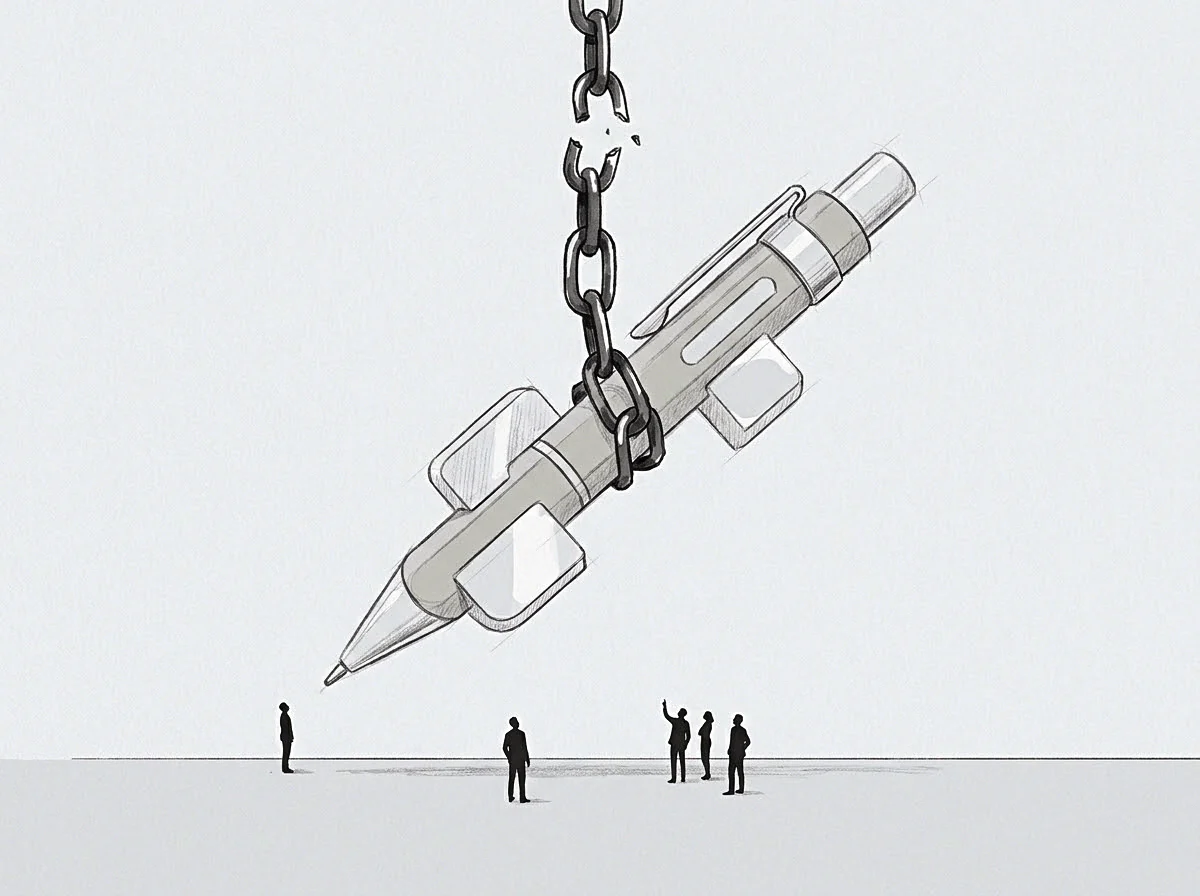
Gate
Midnight Influx And The Silent Expansion Of Scope
A ticket counter updates at eleven at night, adding forty requests while customer messages blink unanswered across three terminal displays. The person at the desk began the morning building an inventory integration, spent the afternoon troubleshooting a payment gateway, and now sits triaging incoming delivery failures. Unbuffered intake breaks unwritten divisions.
The queue overflows by midnight. Without a structural valve restricting incoming volume during sudden transaction spikes, operational duties expand outward until they swallow every hour of technical attention. The technician steps into customer support, the engineering lead answers billing disputes, and the person who founded the firm spends the early morning clearing refund tickets rather than evaluating capital requirements.
Volume shocks convert unwritten operational limits into immediate frontline labor deficits.
Informal arrangements operate smoothly when transaction velocity matches historical averages. When an unexpected surge strikes, whether from a viral product mention, a partner platform failure, or seasonal peak load, the absence of rigid job perimeters forces frontline personnel to improvise. The improvised response invariably defaults to heroic absorption: individuals take on tasks outside their stated jurisdiction simply because raw volume sits visible in the queue.
Frontline capacity shrinks under divided attention. The person in the seat loses thirty evening hours to unlogged triage.
Intake Escalation Distorting The Operational Core
Customer requests accumulate faster than individual workers can clear them. When an organisation treats incoming demand as an absolute mandate that must be addressed immediately, every technical and managerial limit dissolves. A software engineer who spends four hours resolving shipping exceptions stops writing production code, yet the business continues to evaluate the engineer against software delivery milestones.
The resulting friction stems directly from unacknowledged role contamination: the organization tacitly demands frontline triage while formally measuring specialised functional output.
When intake governors remain absent during acute volume shocks, frontline personnel absorb the overflow through extended shifts until institutional competence degrades into defensive resignation.

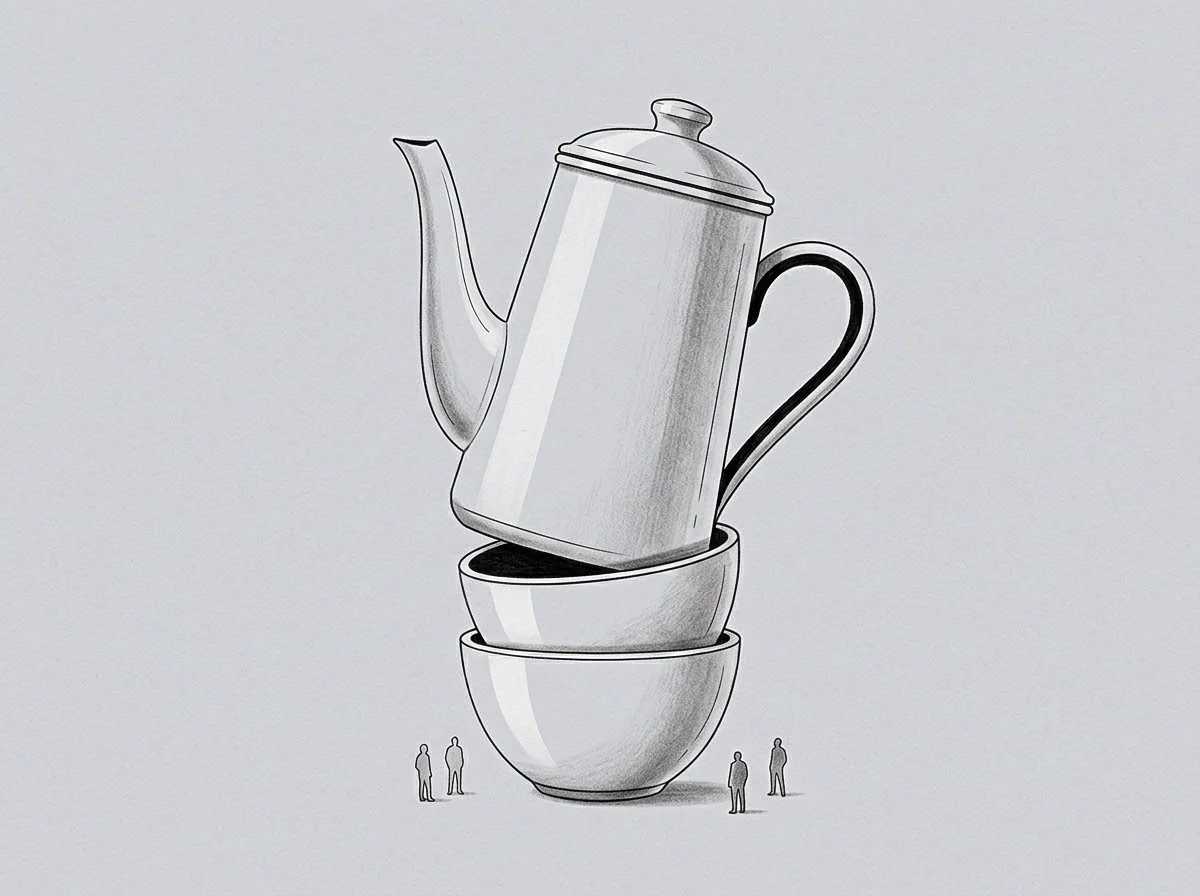
Splice

How The Technician Seat Absorbs Unassigned Work
Role ambiguity accelerates when sudden volume compresses distinct functions into an immediate survival response. In small to mid-sized operating environments, three structural seats frequently coexist within the same individuals: the technician executing direct craft, the manager organizing workflow and resources, and the director steering strategic allocation. Under heavy transaction surges, these seats splice together into a single undifferentiated labor pool.
The technician absorbs the overflow. Direct production work carries an immediacy that strategic work lacks, making it the psychological path of least resistance during operational crises.
Investigating role strain across high-intensity software and customer operations groups of fifteen to fifty people demonstrates that task-switching penalties compound exponentially during unbuffered workload spikes. This finding rests on observational task-switching logs and psychological contract inventories conducted across distributed technical teams. A longitudinal study showing that unbuffered task switching produces identical cognitive output without emotional depletion would invalidate this principle.
In practice, alternating between code architecture and frantic ticket triage introduces an attentional residue that destroys analytical precision.
When operational surges persist past forty-eight hours without triage intervention, technical roles expand systematically at the expense of managerial governance.
When volume overwhelms normal channels, specific structural breakdowns occur across the operational perimeter:
- Functional Conflation occurs when direct task execution supersedes all scheduled supervisory responsibilities, leaving junior staff without coordination during peak load.
- Tacit Work Absorption pulls senior technical staff into repetitive administrative clearing tasks because unassigned requests default to the most experienced operator available.
- Jurisdictional Erosion establishes an informal precedent where emergency interventions become permanent baseline expectations from collaborating departments.
- Strategic Abdication delays long-range planning and vendor negotiations while leadership works the frontline queue. The organization survives the day while compromising quarterly solvency.
The Managerial Void During Acute Volume Spikes
Supervisory duties evaporate when every person focuses on raw throughput. The managerial seat stands empty. Nobody pauses to analyze error patterns, reallocate incoming requests, or communicate status to external stakeholders.
Manual coordination collapses under volume. Instead, each worker operates in an isolated sprint against their individual backlog. Stored capacity evaporates within hours.
Switching penalties deplete daily stamina. Strategic direction ceases for six consecutive weeks.
Someone in leadership was expected to handle the expansion while the queue was moving, yet nobody stepped in to take the tickets.
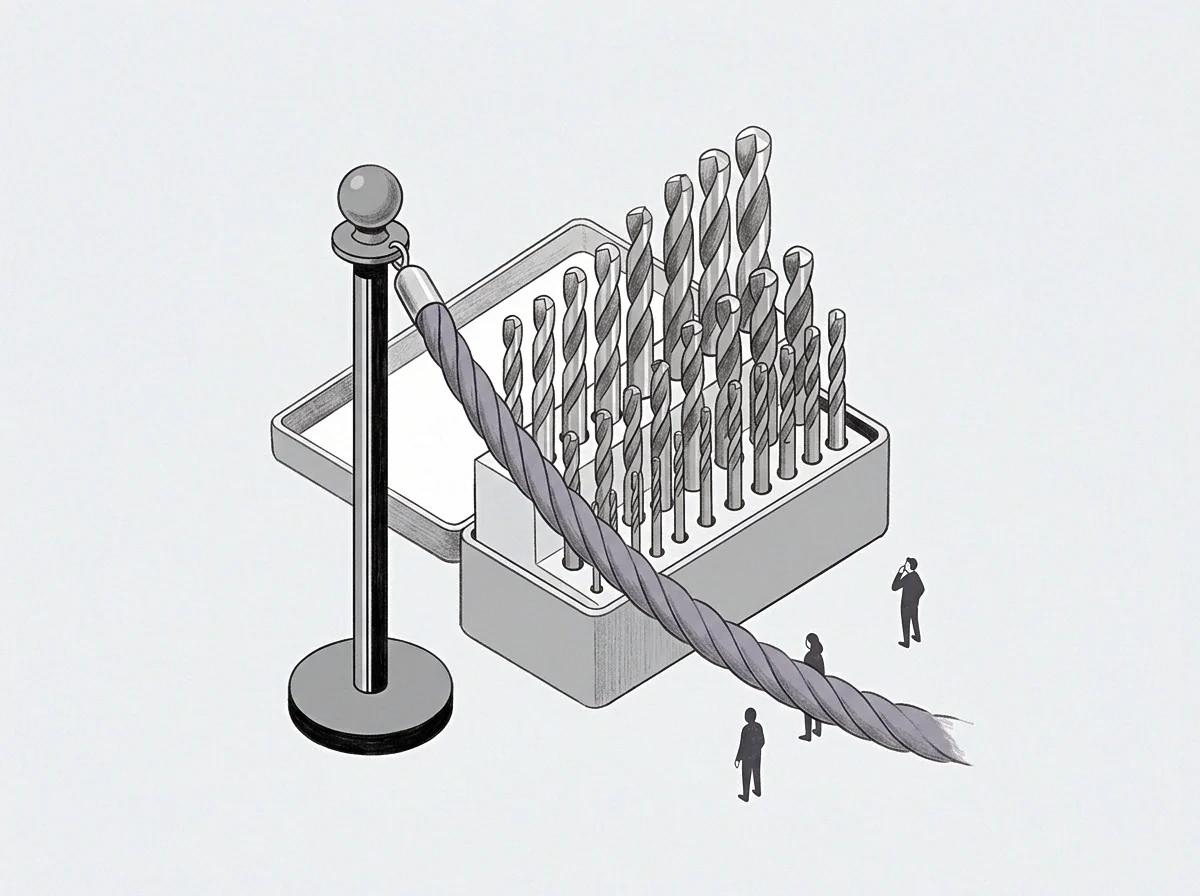
Damper
Which Safeguards Prevent Operational Collapse Under Load?
Structural circuit breakers decouple incoming demand from instantaneous internal execution. Queuing theory and Little’s Law demonstrate that cycle time within any human workflow system increases exponentially as capacity utilization approaches one hundred percent. This relationship rests on stochastic arrival distributions and deterministic service rates observed in transaction-processing environments.
What would move this relationship is an operating environment characterized by an inverse correlation between arrival volume and processing complexity, where surge arrivals systematically require less handling time per unit. Because surge conditions routinely introduce higher ambiguity rather than lower complexity, unthrottled queues guarantee operational paralysis.
Industrial power grids operate with automatic load-shedding relays that disconnect distribution feeders when generation frequency drops past critical tolerances. If the grid operators attempted to maintain total consumer connectivity during severe supply shortages, entire transformer substations would burn out. The identical dynamic applies to human operating perimeters under volume shocks.
When client requests exceed operational thresholds, automated rate limits and service degradations protect internal roles from terminal dilution.
A stated tripwire threshold suspends routine ticket ingestion the moment queue depth exceeds sustainable processing capacity.
Circuit Breakers And Work Intake Throttles
Automated rate limiting enforces explicit pauses when system capacity encounters pre-established thresholds. Instead of allowing work items to pile up in frontline queues, operational governors divert or slow incoming transactions at the perimeter. Triage criteria protect strategic focus.
Implementing these safeguards requires an explicit protocol established during calm periods:
- Threshold Identification establishes the exact quantitative volume level where frontline capacity reaches eighty percent utilization, marking the point where protective measures engage.
- Automatic Tiered Shedding deactivates non-essential service features and deprioritizes low-value requests before operational teams incur cognitive fragmentation.
- Queue Decoupling routes excess requests into an asynchronous holding reservoir with transparent delivery estimates rather than funneling tickets straight to employee terminals.
- Escalation Lockdown restricts customer escalation paths to designated managers, preserving technical personnel from ad-hoc interruptions during stabilization sprints.
A stated clause halting ticket intake once pending backlog surpasses eighty units per operator forces incoming requests into an automated deferral queue, preserving analytical capacity for critical system stabilization.
Split
Structural Differences Between Porous And Regulated Operating Models
Operational arrangements exhibit divergent failure profiles when subjected to sustained transaction spikes. A porous operating model relies on personal dedication and elastic working hours to absorb external shocks. A regulated operating model incorporates programmatic tripwires, strict job perimeters, and systematic throttling to defend worker capacity.
Fatigue compounds errors across shifts. Administrative backlogs accumulate in silence. Personal recovery time disappears under constant escalation.
| Model Attribute | Porous Operating Model | Tiered Regulated Model |
|---|---|---|
| Intake Governor | Uncapped ingestion with open queue routing | Automated circuit breakers and queue throttling |
| Role Permeability | Fluid functional boundaries absorbing any task | Rigid task jurisdictions with explicit handoffs |
| Managerial Continuity | Supervisory tasks abandoned for direct triage | Managerial oversight protected from frontline queues |
| Cognitive Overhead | Extreme attentional fragmentation and strain | Bounded context switching within stated roles |
| System Recovery Time | Protracted post-surge organizational exhaustion | Rapid resumption of normal operational tempo |
Unassigned volume defaults to ownership. When workers realize that taking on tasks outside their stated perimeter earns neither institutional clarity nor temporal relief, quiet disengagement follows. In a porous structure, the most conscientious workers suffer the heaviest operational penalties because their willingness to cover structural deficits makes them natural shock absorbers.
In contrast, regulated environments employ predetermined intake filters that state unequivocally what the organization will refuse to process during peak loads.
Unbuffered operational intake always converts strategic personnel into emergency dispatchers.
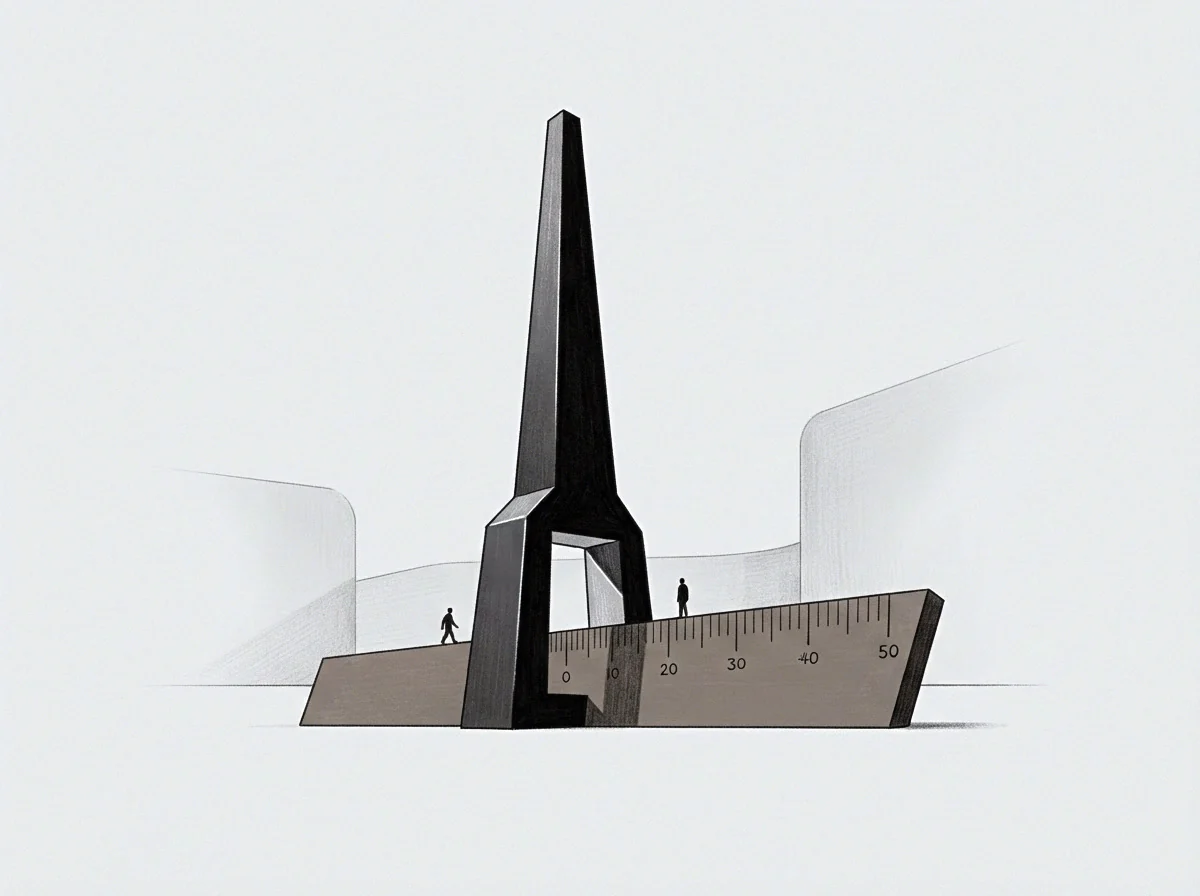
Post
Reconstructing Stated Limits After Peak Demand Recedes
Surge conditions eventually subside, exposing the structural erosion sustained while protocols operated in emergency configurations. Once an organization breaches job perimeters during a crisis, reverting to defined roles requires active institutional intervention. The desk cannot fully defend an exact temporal boundary where temporary emergency triage permanently alters an employee’s perceived role definition across varied organizational cultures.
Under this operational uncertainty, the operator establishes a rigid expiration calendar for emergency triage rules, resetting them every fourteen days regardless of external backlog pressure. Escalation paths dictate task priority.
Unchecked emergency procedures outlive the crisis that prompted their activation.
Re-establishing operational perimeters demands explicit decommission rituals. Managers must formally announce the termination of surge protocols, reassign temporary triage duties back to external queues, and conduct forensic reviews of workflow breaches. Unchecked triage absorbs all hours.
If leadership permits emergency cross-functional coverage to linger into normal trading periods, the expanded workload becomes the new baseline expectation. The technician remains trapped in administrative clearing, managerial oversight remains neglected, and long-range institutional resilience degrades under the weight of accumulated operational baggage.
What remains unresolved is whether an organisation can ever fully restore original operational jurisdictions once frontline workers adapt to the informal authority assumed during prolonged emergency conditions.