
Documenting Tacit Work Before Selling Company Shares
Extracting tacit operational habits into codified procedures converts personal executive labor into institutional enterprise equity before selling shares.

Table
An unsigned share purchase agreement sits beside an active terminal window running unscripted database patches at two in the morning. The cap table shows clean ownership across voting classes, while daily continuity hangs on unrecorded habits known only to the person in the room. A commercial acquirer buys shares assuming corporate revenue reflects an autonomous system.
That premise breaks down when client retention, vendor management, and software deployments rely on personal routine rather than clear organizational protocol.
Equity valuation assumes an independent engine.

The Separation of Capital and Operation
Corporate stock represents an entitlement to residual earnings from an enterprise asset base. When daily operations depend on undocumented founder muscle memory, a share certificate no longer represents a stand-alone asset. Instead, it functions as a financial claim on the seller’s continued personal effort.
Buyers spot this pattern during diligence when official org charts conflict with how decisions actually get made. Every unwritten technical workaround, informal pricing concession, and private client connection adds risk to the balance sheet.
A share transaction prices past earnings while presuming future autonomous continuity.
The person leaves.
The machinery stalls.
A structural conflict emerges during underwriting. An institutional buyer reduces the acquisition multiple to cover the risk that earnings fall once the key executive steps down. To compensate, the buyer demands strict earnout terms, extended indemnification escrows, or lengthy transitional employment contracts to keep the seller in place.
Documenting informal procedures before entering sale negotiations shifts this dynamic. Written workflows convert individual routines into transferrable company assets, letting equity trade on stand-alone performance rather than the seller’s ongoing presence.

The Undisclosed Overhead of Habitual Labor
Operating statements frequently undercount the actual labor required to run an owner-managed company. An executive who absorbs technical and managerial tasks outside official payroll accounts introduces invisible labor subsidies into historical EBITDA. Correcting this requires realistic operational accounting.
If a seller spends twenty hours every weekend fixing software bugs, handling enterprise escalations, and manually adjusting shipping schedules, recorded profit margins reflect unpaid personal effort.
Intervention hides operational deficit.
A buyer evaluating the business must calculate the cost of hiring replacement staff to cover those unrecorded duties. Failing to formalize these roles before sharing financial records often leads to late-stage valuation cuts, as buyers reduce trailing earnings to cover necessary payroll.

Load
How an executive spends daily effort reveals where an operating business actually depends on them. Role theory defines role strain as conflicting demands placed on one person occupying multiple positions. In a privately held company, an executive frequently fills the technician, manager, and founder roles all at once without clear boundaries between them.
Work resists observation.
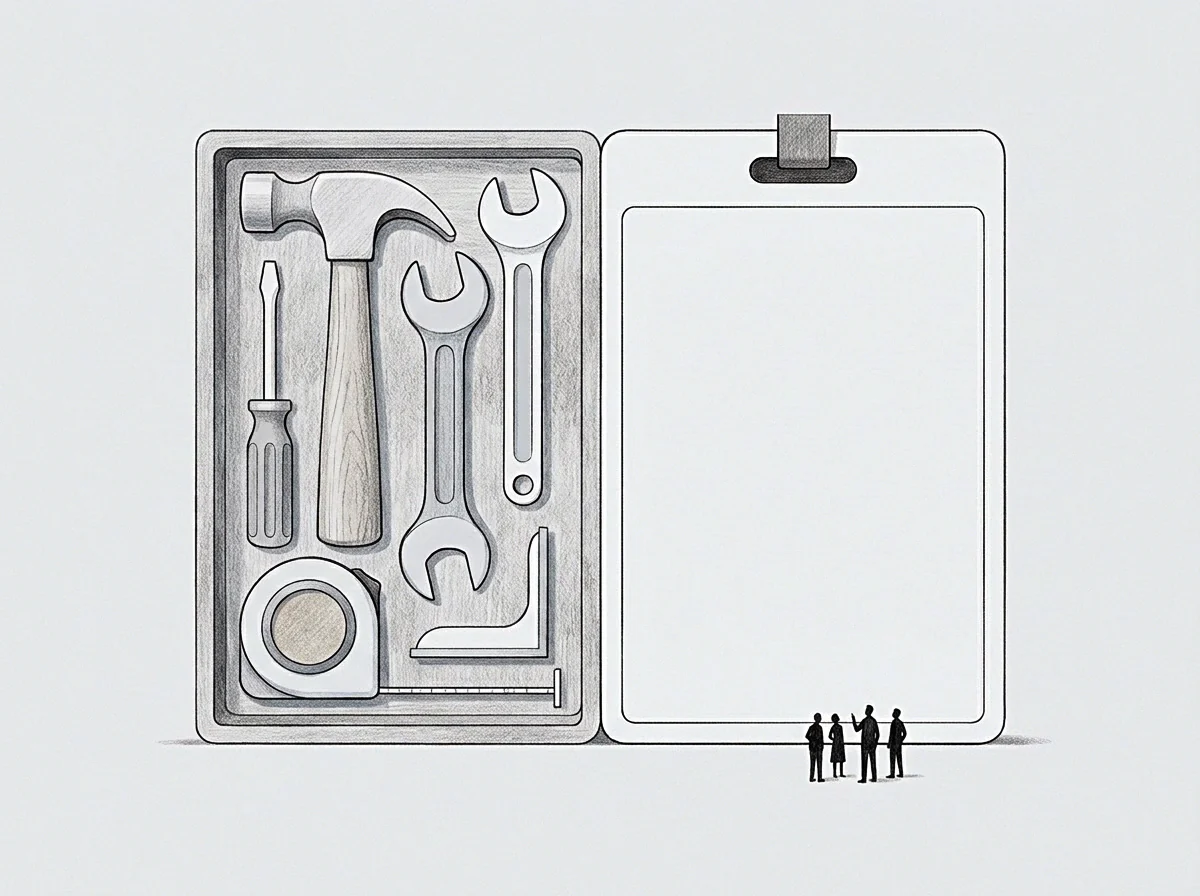
Decomposing the Three Seats Inside One Schedule
Breaking down an executive workload requires logging daily time against specific responsibilities. The technician seat carries out core tasks—writing backend code, managing key vendor accounts, or fixing hardware. The manager seat builds and adjusts workflows, tracks performance metrics, and coordinates internal resources.
The founder seat allocates capital, plans equity strategy, and sets long-term direction. When informal tasks fill the calendar, technical work routinely crowds out strategic planning, creating quiet operational bottlenecks.
When operational routines reside entirely in muscle memory, corporate equity retains value only while the seller remains seated at the desk.
Informal interventions prevent operational self-sufficiency across line workers:
- Direct escalation interception occurs whenever front-line customer support bypasses ticketing systems to message the executive directly for pricing waivers.
- Proprietary infrastructure deployment involves running server maintenance, credential rotations, or software releases from local machines without shared version control or code review.
- Unilateral supplier arbitration includes verbal commitments, custom credit terms, and unrecorded volume discounts negotiated directly with suppliers outside formal procurement.
- Intuitive quality inspection relies on the executive personally approving complex deliverables using personal judgment rather than written specification sheets.
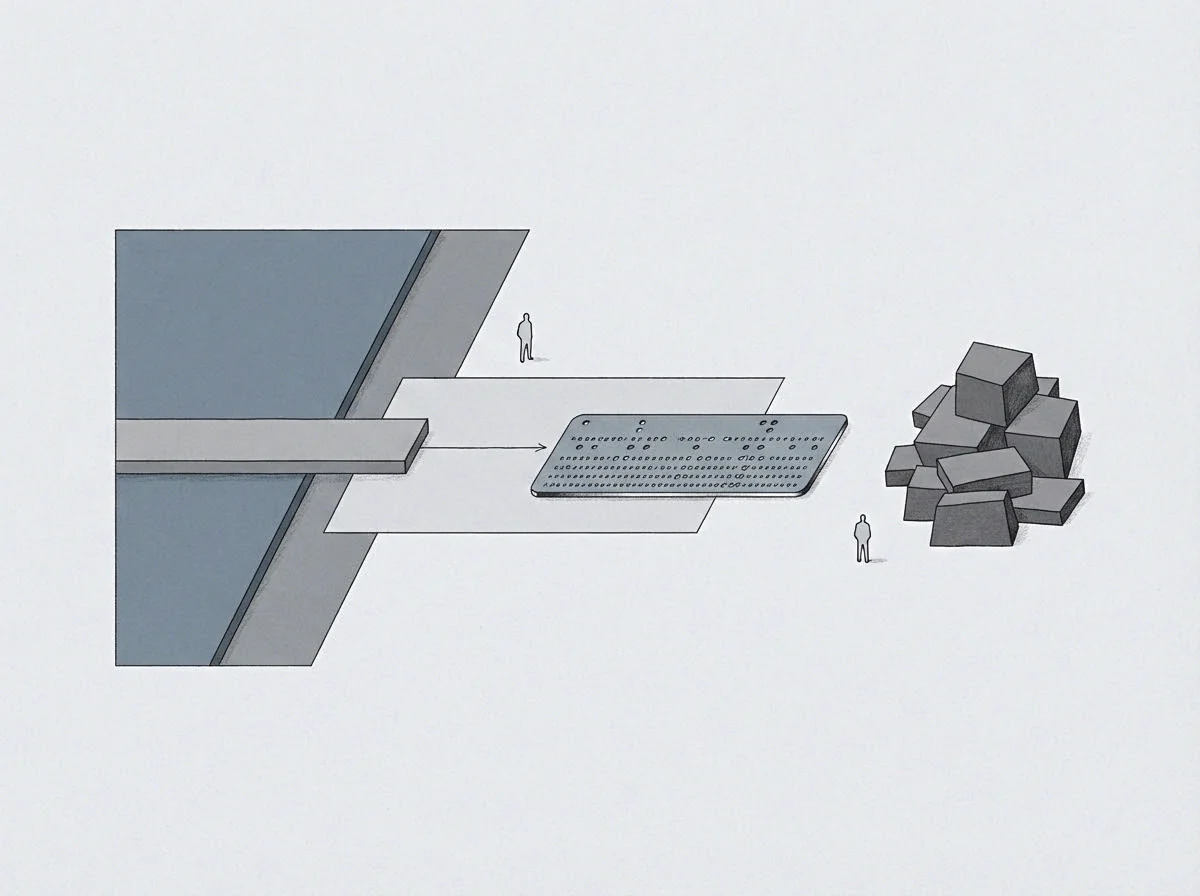
Informal Interventions Distorting Operating Margin
Unrecorded labor skews cost models. When executive effort covers up weak software tooling or understaffed teams, internal operational gaps stay hidden from monthly financial reports. The business looks lean and efficient, but stability relies on constant, uncompensated interventions.
Every quiet fix adds hidden operational risk.
A prospective buyer conducting technical diligence uncovers these fragile points quickly. A business that cannot run for two weeks without its principal shareholder signals severe key-person risk. By documenting informal technical duties in standard operating manuals before opening a data room, an owner turns personal habit into institutional value.
Operating capacity expands only after daily interventions yield to recorded instructions.

Tether
Institutional resilience requires turning personal connections into formal business relationships. In an owner-operated company, clients and vendors often build allegiance to the individual owner rather than the company brand. This creates serious risk during a sale.
If major accounts renew each year solely because of a personal relationship with the founder, enterprise goodwill stays with the individual rather than the business.
Silence extracts capital.

Institutional Memory Against Individual Habit
Establishing continuity requires clear procedural safeguards across business functions. Organizational theory distinguishes between individual skill and codified routines. Documenting processes translates personal judgment into repeatable rules that any qualified operator can follow.
| Operating Domain | Tacit Founder Execution | Documented Procedural Seat | Valuation Impact at Sale |
|---|---|---|---|
| Enterprise Client Retention | Informal quarterly dinners, unlogged mobile conversations, bespoke off-sheet discounts. | Dedicated account management playbook, recorded customer relationship manager history, tiered pricing rules. | Protects commercial goodwill, reduces customer concentration discount, eliminates personal escrow requirements. |
| Core System Recovery | Manual server restarts from private terminal, unwritten rollback scripts, undocumented database dependencies. | Automated deployment pipelines, cross-trained site reliability runbooks, disaster recovery test logs. | Removes technical debt price-chips, satisfies technical diligence, enables clean warranties. |
| Key Vendor Negotiations | Verbal supplier terms, personal handshake agreements, unindexed rebate arrangements. | Master services agreements, audited supplier scorecards, dual-authorized procurement schedules. | Secures uninterrupted inventory flow, validates reported cost of goods sold, stabilizes margins. |
| Employee Performance Governance | Ad hoc compensation adjustments, subjective cultural reviews, discretionary bonus distributions. | Structured compensation bands, documented key performance indicators, objective review schedules. | Reduces post-closing turnover risk, prevents compensation inflation claims, anchors payroll expense. |

The Structural Transition of Domain Authority
A company preparing for sale must deliberately shift key client and vendor relationships away from the departing owner. This means handing communication channels over to management quarters before starting sale discussions. Involving designated leads in routine commercial negotiations gives external partners confidence in the broader team.
Capital demands repeatable routine.
When a buyer interviews major clients during diligence, customer responses should reflect confidence in the operating team rather than concern over the owner’s departure. Grounding account relationships in standard contracts and management protocols protects revenue from post-sale churn.
An acquirer assumes the company possesses an operating delivery system, only to discover at closing that it merely acquired an executive’s personal appointment schedule.

Shift
Transferring operational routines from an individual executive to company systems requires planned internal extraction. Waiting until a letter of intent arrives creates disruption, since managing the sale itself requires substantial time. Preparing a business for acquisition requires decoupling the seller from critical workflows over twelve months.
A replacement operator arrives blind.

A Phased Sequence for Operational Extraction
The systematic extraction of unwritten procedures proceeds through four sequential phases:
- The executive logs daily activity for four weeks, recording every intervention, ad hoc approval, and technical fix in real time.
- The logged actions are categorized, separating strategic founder responsibilities from management tasks and technical duties.
- Operational staff shadow the executive across designated workflows, performing the tasks directly while the executive observes and notes edge cases.
- Operational staff assume full responsibility for documented areas, while the executive takes a thirty-day sabbatical to stress-test self-sufficiency.

Shadow Logging and Protocol Drafting
Shadow logging provides the baseline for standard operating procedures. An operations specialist observes the executive through routine work, capturing informal rules that guide decision-making—such as evaluating ambiguous client requests, turning down unprofitable work, or adjusting production settings during supply shortages.
A transfer protocol executed thirty days prior to closing triggers an earnout reduction if undocumented dependencies emerge during trial runs.
Documented protocols must sit in shared company repositories rather than personal notes. Systems require stress testing to ensure replacement personnel can troubleshoot unexpected issues without calling the seller. When a company proves that sales, support, and delivery continue without interruption during a long shareholder absence, the acquisition narrative changes.
The transition stalls quietly.
Unstated duties distort operating margins.
How much undocumented discretionary authority can remain with a departing shareholder before an institutional buyer insists on a multi-year operational retention agreement?

Terms
Legal agreements governing share transactions reflect the operational state of the target company. Experienced buyers do not rely on verbal assurances about operational independence. They protect their investment through contract terms that hold the seller financially responsible for unstated dependencies found after closing.
The buyer prices the void.

Representations Warranties and Key Dependency Clauses
A share purchase agreement includes specific representations and warranties covering intellectual property, operational records, and staffing dependencies. Sellers usually warrant that the target company holds all documentation, protocols, and rights needed to run the business as currently operated, without relying on anyone leaving at closing. When critical processes exist only in the departing owner’s mind, signing this warranty creates risk of post-closing breach of contract claims and indemnity clawbacks.
Documented processes that require direct telephone confirmation to function remain unwritten liabilities.
Clarity protects the seller.
The contract outlives the presence.
Uncertainty around operational stability also leads buyers to demand valuation holdbacks. If diligence shows that the executive holds essential client knowledge or technical maintenance procedures, buyers often structure twenty to forty percent of the purchase price as an earnout tied to multi-year performance milestones. Documenting workflows and handing off daily responsibilities before signing turns contingent earnout payments into guaranteed cash at closing.

The Transitional Services Agreement Architecture
If operational handover is incomplete at closing, the parties sign a transitional services agreement alongside the share purchase agreement. This contract defines the scope of the seller’s post-closing support. A clear agreement specifies weekly hourly limits, exact duties, deliverables, and a firm termination date, preventing the buyer from treating the former shareholder as an on-call troubleshooter for undocumented legacy issues.
A detailed disclosure schedule listing informal operational routines and their assigned successors limits breach-of-contract liability under general warranties, transferring transition risk to the buyer upon formal closing.