
Governance Mechanisms For Structural Labor Buffers Under Multi Quarter Demand Volatility
Predetermined contractual triggers govern structural labor reserves across multi-quarter volatility, separating managerial allocation from capital preservation.
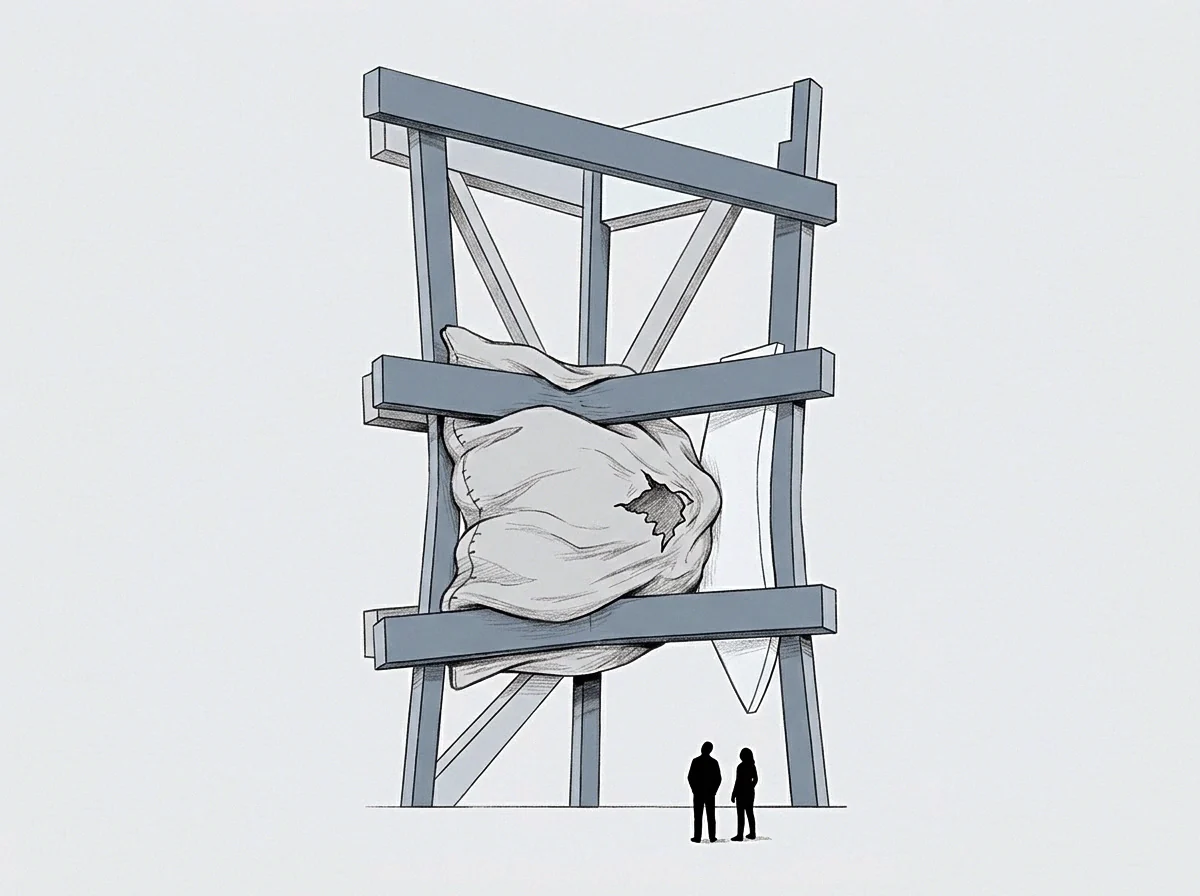
Base
A payroll ledger open at midnight on the fifteenth day of a fifth down quarter displays seventeen technicians on full salary while billable hours cover six. Demand drops across three quarters. The roster holds steady.
The technician expects technical continuity, the manager tracks utilization percentages against operational budgets, and the person holding the founder seat watches cash reserves deplete to protect specialized skill. Without explicit governance, multi-quarter volatility forces the founder seat to absorb the financial deficit directly through personal equity extraction or uncompensated operational labor.
A structural labor buffer operates as an intentional margin of human capacity held above immediate operational throughput. The buffer insulates the enterprise against delivery failure during demand expansion and protects tacit institutional memory during prolonged downturns. When volatility extends beyond single-quarter seasonal noise into multi-quarter macroeconomic troughs, this labor buffer creates acute role strain.
The manager attempts to defend utilization by cutting administrative support, while the person in the founder seat delays capacity reductions because rebuilding domain expertise takes three quarters of hiring lead time. Cash absorbs the delay.
A structural reserve functions when capital allocations for unbilled hours are approved before the demand trough begins.
The operational reality of a multi-quarter demand trough fractures into distinct labor postures across an organization:
- Full retention state commits cash reserves to maintain specialized talent on full salary regardless of realized billable utilization. The technician seat performs internal system maintenance, training, or product prototyping during unbilled hours.
- Variable quota state adjusts base weekly billable commitments downward while preserving hourly compensation rates through formal corridor pacts. The enterprise distributes unbilled time across the roster to prevent concentrated dismissals.
- Severance threshold state liquidates designated capacity tiers once demand depression breaches four consecutive quarters. Senior operators execute planned reductions based on predetermined tenure and domain coverage matrices.
Distinguishing between the seat and the individual holding it determines how these states function under stress. The technician views unbilled time as an opportunity to refine tooling, while the manager views the same empty calendar as a margin deficit. The founder seat carries the capital risk of that divergence.
If the governance rules governing the buffer remain informal, the manager refuses to dismiss personnel out of professional loyalty, forcing the founder seat into unilateral executive override. Tension settles into silence.
We expected the capital reserves accumulated during the peak quarters to shield operational personnel until baseline demand restored.
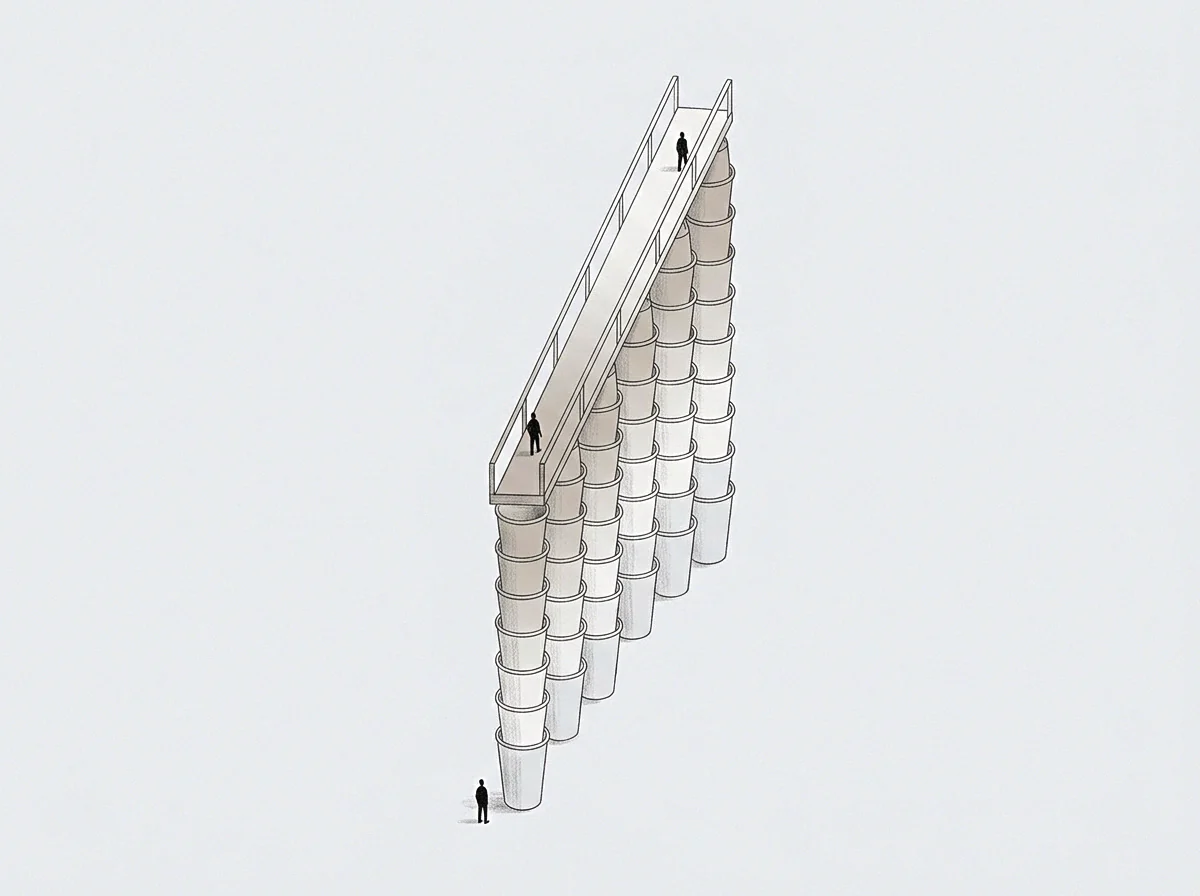
Wedge
A structural labor wedge separates core operational throughput from volatile demand peaks through documented capacity tiers. Designing this wedge requires assigning explicit governance rights to each layer before revenue fluctuates. The technician builds, the manager schedules, and the founder capitalizes.
When multi-quarter downturns occur, operational managers lack the structural mandate to adjust base employment terms unless contracts explicitly permit variable commitment levels.
Take an operational engineering group of thirty personnel serving cyclical industrial clients across an eighteen-month downturn. Assume five senior specialists hold irreproducible system architecture knowledge, fifteen operators deliver standard implementation work, and ten contractors provide surge execution. When client purchase orders drop forty percent across four quarters, treating all thirty seats under uniform employment terms burns thirty-six months of retained earnings within two quarters.
A governed wedge divides this workforce into three structural classes with explicit trigger boundaries.
| Buffer Model | Contractual Mechanism | Governance Seat | Multi-Quarter Trigger | Carrying Expense |
|---|---|---|---|---|
| Tiered Hours Corridor | Bilateral flex-hour agreements with floor guarantees | Manager seat | Capacity drops below seventy percent for two quarters | Reduced baseline compensation with retention stipend |
| Retained Capacity Reserve | Standby retainers for detached specialized contractors | Founder seat | Client backlog contracts for three consecutive quarters | Fixed quarterly access fee without delivery obligation |
| Internal Redeployment Pool | Contractual dual-role assignments across revenue lines | Operator seat | Regional demand contraction exceeding twenty percent | Full base salary redirected to non-billable capital projects |
The contract sets the pace. In a Tiered Hours Corridor, the manager executes schedule reductions between thirty-two and forty weekly hours without altering employment tenure. In a Retained Capacity Reserve, the founder seat releases external contracts instantly because the enterprise pays an ongoing retainer precisely for the right to pause delivery without severance.
The Internal Redeployment Pool shifts labor from customer accounts to internal asset creation, preserving human capital while capitalizing the associated payroll onto the balance sheet.
A contractual hours corridor protects specialized headcount during moderate downturns by distributing hour reductions across the operating core.
The financial consequence of failing to formalize these wedges appears in unplanned equity dilutions. In an ungoverned arrangement, the operator delays adjustments until working capital forces panicked headcount liquidation. Specialization dissolves.
When demand rebounds three quarters later, client acquisition stalls because replacement workers require nine months of apprenticeship to match historical delivery speeds. Idle hours compound weekly.
The operational agreement specifies that quarterly utilization falling below sixty-five percent across two successive fiscal quarters transfers hours allocation authority from line managers directly to executive balance-sheet controls.
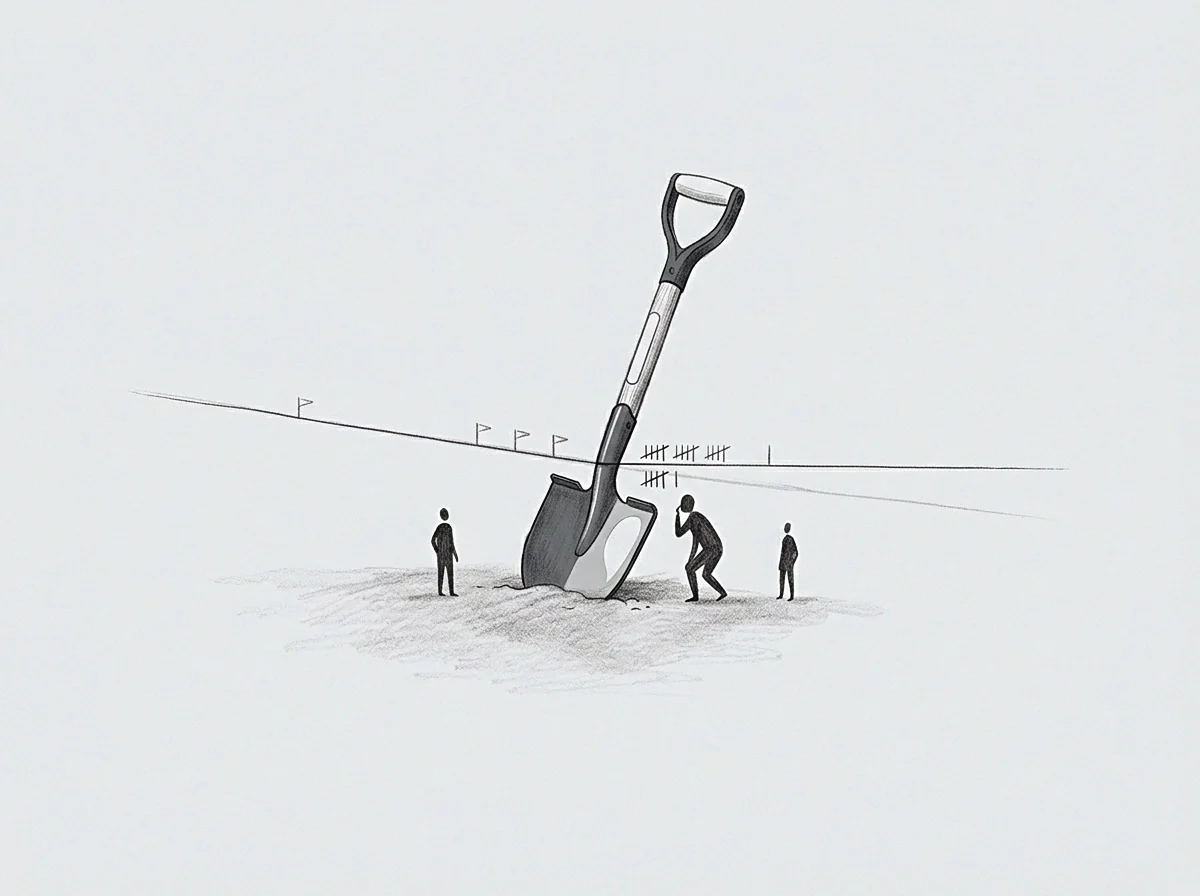
Slack
Prolonged demand dips test the psychological cohesion of an operational team when labor slack persists beyond six months. When an enterprise carries excess labor capacity through four consecutive quarters, the nature of daily work degrades. Technicians assigned to speculative internal projects recognize the absence of commercial urgency.
Output deceleration spreads from idle staff to billable teams, depressing overall system cadence. Solvency recedes quietly.
Civil floodgates operate on counterweights designed to open automatically when water pressure exceeds structural containment limits. Human organizations possess no such automatic balance. In an organization, people inside the operational structure protect their peers by inventing low-value tasks to simulate full utilization.
The manager seat defends operational continuity by concealing surplus hours, masking the true rate of balance-sheet depletion from the founder seat until banking covenants force an immediate crisis.
Unmeasured operational slack masquerading as productive work degrades delivery speed across billable and non-billable personnel simultaneously.
Organizational research on role transition demonstrates that individuals experience acute role ambiguity when production tasks give way to prolonged administrative makework. Field findings across mid-sized technical firms indicate that unbilled staff retained without explicit study projects show higher voluntary turnover during subsequent demand recoveries than staff placed on structured partial-furloughs. That finding rests on stable industrial service sectors with formal career hierarchies; rapidly evolving technical environments where skill relevance changes across twelve-month windows might produce different retention behaviors under prolonged inactivity.
Carrying unallocated labor reserves across extended volatility drains capital and erodes internal standards of excellence. The technician loses sharpness on stale internal tools. The manager spends cognitive reserves refereeing jurisdictional disputes over trivial internal assignments.
The founder seat carries the financial obligation alone, paying full market compensation for decaying technical competence. Capital preserves optionality.
Uncontrolled labor retention across four quarters of depressed client demand converts dynamic operational capacity into permanent balance-sheet debt.
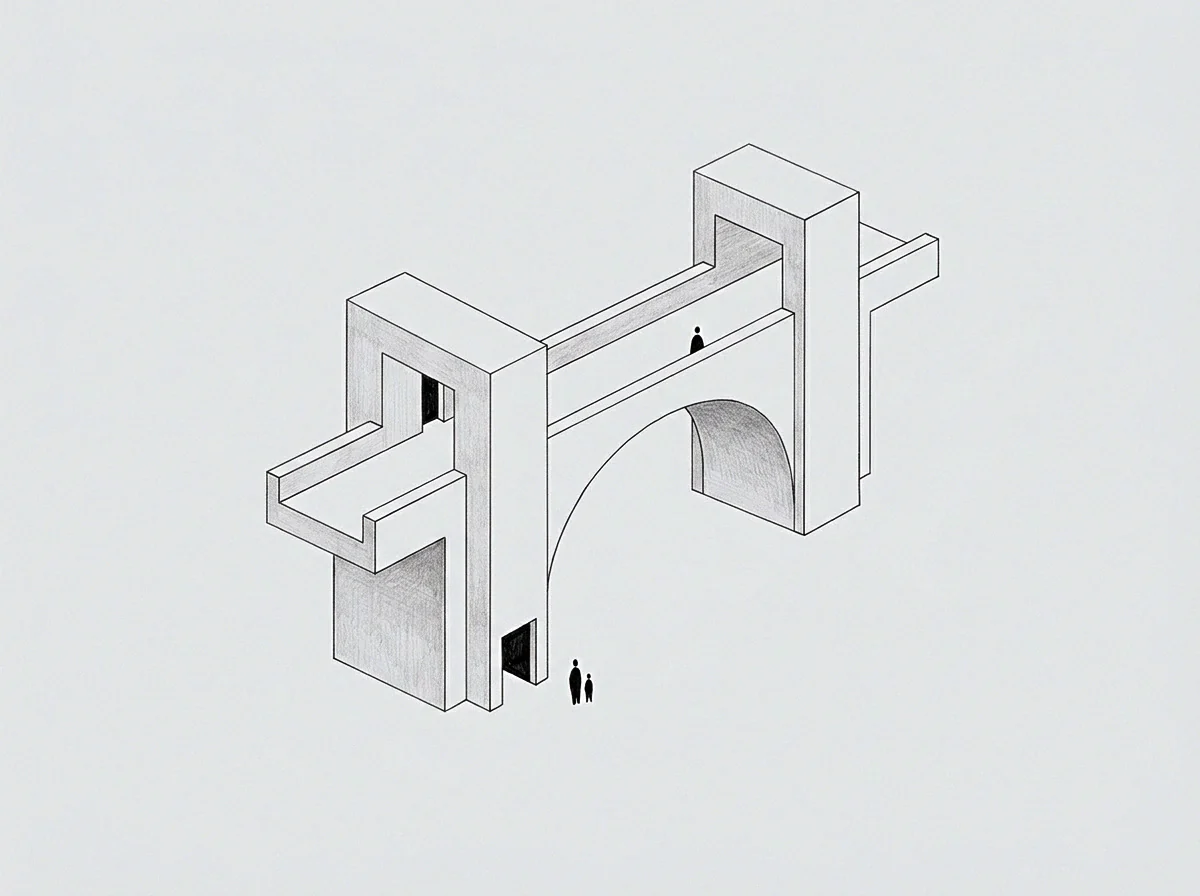
Check
Authority over buffer adjustments requires clear governance thresholds separated from daily project execution. The person responsible for shipping client work cannot hold authority over workforce liquidation. That division of responsibilities prevents managerial empathy from paralyzing fiscal preservation.
The manager signs the roster. The founder defines the capital perimeter.
Governance checks operate through chronological and financial milestones rather than ad-hoc executive interventions:
- Quarterly demand variance check evaluates rolling twelve-week order intake against baseline payroll obligations to determine the active buffer state.
- Corridor activation milestone triggers automatic reductions in external contractor hours once billable utilization falls below seventy percent for forty-five consecutive days.
- Secondary capacity pause suspends discretionary technical projects and freezes unallocated internal research allocations when the trough enters its third quarter.
- Structural liquidation protocol executes contractual severance actions across tier-three operational staff if client demand indicators show negative year-over-year movement at the twelve-month audit.
The reserve breaks. When these checks are left unwritten, every operational adjustment turns into a personal conflict between leadership figures. The technician views hour reductions as personal betrayal.
The manager interprets founder intervention as operational distrust. The founder seat absorbs interpersonal friction while trying to keep commercial credit lines open. Stated terms remove this emotional taxation by making reductions structural consequences of predetermined financial triggers.
Predetermined financial triggers protect organizational relationships by transferring workforce adjustment decisions from personal discretion to contractual parameters.
Managing structural labor buffers under prolonged demand volatility exposes the limit of operational autonomy. The manager directs utilization during steady-state expansion, but capital solvency governs duration during contraction. When cash reserves cross the redline threshold, managerial discretion terminates completely.
The floor drops.
Capacity reductions follow objective commercial milestones rather than emotional consensus.

Tether
Preserving long-term organizational viability requires connecting workforce governance directly to balance-sheet realities without exhausting executive leadership. A person running the founder seat cannot spend forty hours a week renegotiating contractor agreements, comforting insecure line managers, and restructuring technical rosters across an eighteen-month recession. The operational system requires structural governance instruments that function without continuous personal intervention.
The technician waits.
Contractual clarity establishes sustainable operational buffers. When employment contracts specify variable hours corridors, when external talent pools operate under standby retainers, and when internal triggers execute automatically upon revenue declines, the organization weathers demand downturns without identity crises. The founder seat protects capital integrity, the manager seat allocates available hours without existential anxiety, and the technician seat works with clear expectations regarding operational security.
Work dries up.
A structural buffer fails when retention decisions depend entirely on continuous emotional negotiation between executive leaders and operational staff.
Every structural buffer eventually encounters the boundary between strategic endurance and institutional obsolescence. How long can an organization hold specialized technical capacity during an ongoing demand trough before the retained expertise loses its market relevance entirely?