
Managing Transitional Control Risks In Small Business Asset Sales
Asset sales split legal title from operational muscle memory, creating acute control exposure until administrative custody, customer trust, and debt guarantees clear.

Desk

Divided Authority at the Closing Table
The purchase agreement receives signatures at noon, and three hours later two people sit in the same office looking at one terminal. The buyer holds legal title to the customer list, the operating inventory, the dispatch routing code, and the physical machinery parked in the warehouse. The selling operator holds the banking security fobs, the personal telephone numbers of three suppliers who extend thirty-day open credit, and the administrative credentials for the internal ticketing server.
Each party believes the transaction produced immediate clarity. Each party discovers that operational jurisdiction splits along lines no purchase document drew.
An asset purchase separates property from historical practice. Title to equipment and assignable customer accounts passes through a bill of sale, yet the execution of routine work remains locked inside personal habit. When a customer demands an unbilled price adjustment granted verbally six months earlier, the buyer turns to the seller for confirmation.
The seller answers directly, altering the customer account before the buyer sets terms. Operational authority bleeds across the desk because the daily workflow requires decisions before legal governance structures establish communication paths.
Authority shifts overnight.
This friction originates in the compression of three distinct functions. The selling operator occupied the technician seat, handling specialized mechanical maintenance. That same operator occupied the managerial seat, coordinating the four-person field crew, while simultaneously holding the equity seat that absorbed working capital risks.
An asset transaction transfers the assets and seeks to seat the buyer in the equity and management positions immediately. The technical knowledge and relational trust remain with the seller, who is contracted under a temporary transition agreement to advise without commanding.
A transitional consulting agreement creates friction whenever legal title outpaces the transfer of daily operational routines.
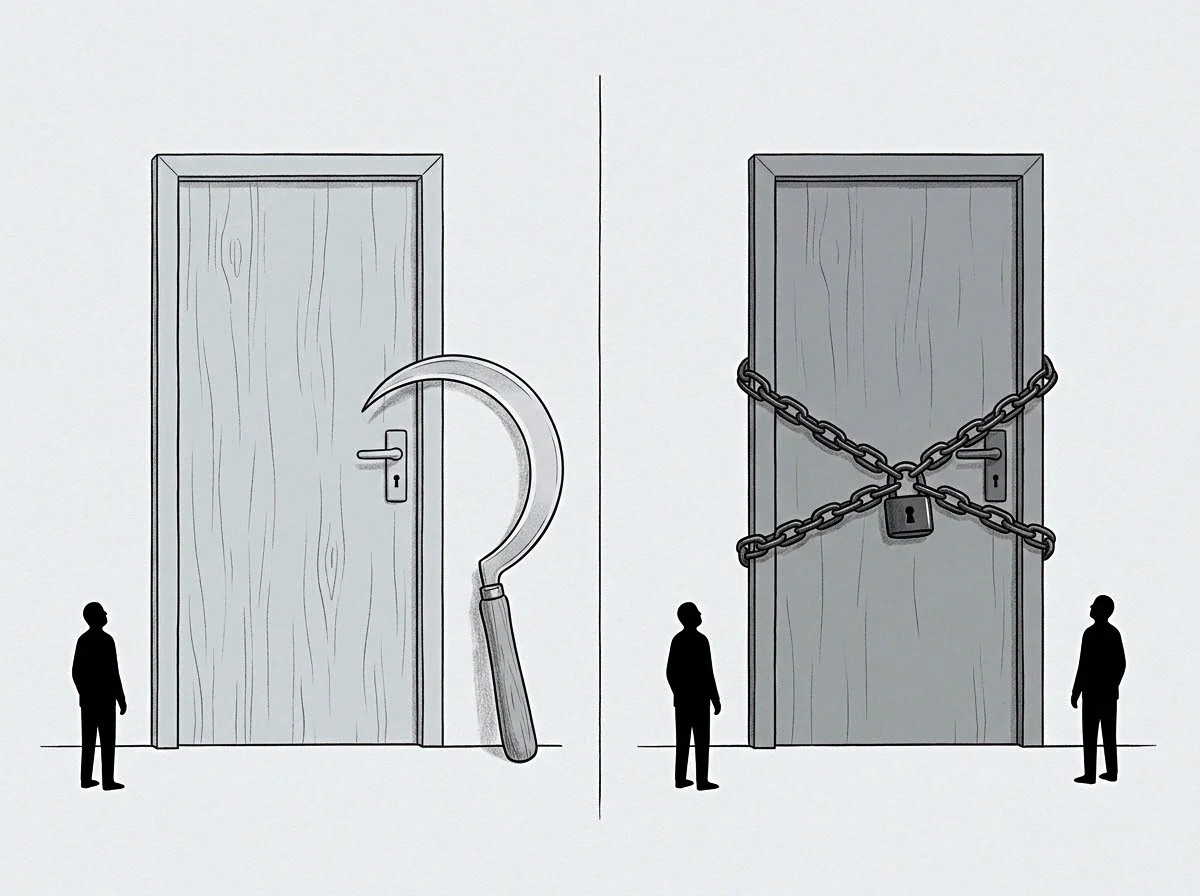
Subordinated Roles in Daily Operations
The seller who remains on site as an independent advisor enters a compromised operational space. The employment agreement or consulting contract states that the seller advises the buyer on client accounts and operational sequences. Staff members ignore the paper arrangement.
Technicians walk past the buyer’s open door to ask the former owner whether to accept a non-standard purchase order from an aging client. The former owner answers out of five years of muscle memory.
Every informal instruction issued by a former owner undermines the buyer’s operational authority. The staff detects two command sources and routes difficult disputes to the familiar authority. The buyer perceives this pattern as an intentional effort to retain influence over the business.
The seller experiences the dynamic as an involuntary obligation to prevent operational failure. Both views describe the identical breakdown: the seller occupies an advisory seat on paper while continuing to run the managerial seat in practice.
The operational boundary collapses rapidly when customer disputes arise. Consider a scenario involving a commercial maintenance company changing hands. The asset purchase agreement specifies that customer collections during the initial ninety days belong to the buyer, while pre-closing accounts receivable remain with the seller.
A tier-one facility manager calls with a billing grievance covering services delivered across the closing date. The seller promises a credit on future work to preserve the account relationship for an eventual earnout metric. The buyer refuses the adjustment, citing gross margin covenants in the senior loan.
The client freezes payments on all open invoices until the two signatures agree.
The advisory contract must remain subordinate to operating ownership.
The arrangement deteriorates further when the buyer encounters operational procedures that deviate from documented manuals. The buyer expects the formal operating procedures listed in disclosure schedules to govern warehouse dispatch. The seller knows that dispatch runs on informal seniority privileges established to prevent staff turnover.
Changing those privileges during the sixty-day onboarding window produces staff resignations that degrade asset output.
The previous owner promised complete cooperation throughout the handover yet continues to direct the employees behind closed doors.

Custody
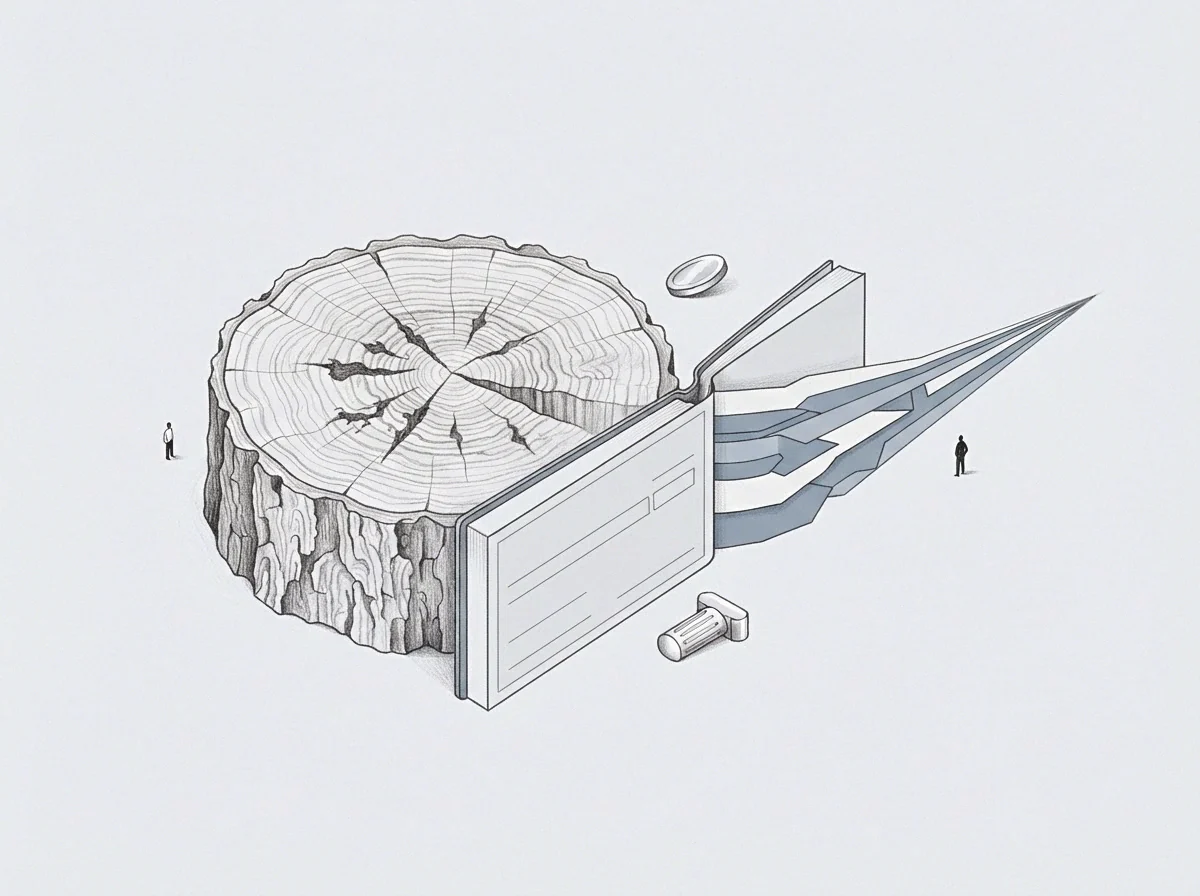
Asset Verification and Physical Control
Physical possession of operating machinery does not guarantee complete dominion over the income-producing capacity of the assets. The buyer takes legal assignment of vehicles, fabrication tools, point-of-sale terminals, and raw materials. Actual control demands exclusive administrative authority over maintenance histories, calibration records, and software activation keys.
A tool that cannot be calibrated without proprietary manufacturer access codes remains partially possessed.
Access breaks early.
During the interim transition interval, equipment breakage reveals the vulnerability of split operational custody. If a computerized cutting bed fails forty-eight hours after closing, the buyer often lacks the direct technician relationships required for emergency repairs. The seller calls the technician from a personal cell phone, pays the expedited invoice from a retained operating account, and requests reimbursement from the buyer next morning.
This casual intervention preserves the immediate production schedule while delaying the buyer’s direct administrative integration with maintenance suppliers.
The split holds.
| Mechanism | Operating Authority Location | Seller Note Exposure | Reversibility of Action | Verification Lag |
|---|---|---|---|---|
| Advisory Consulting Agreement | Split across daily routines | Subordinated to buyer performance | Low once customer trust frays | Four to six business weeks |
| Dual-Signature Escrow Valve | Shared until technical milestones clear | Protected by held disbursements | Moderate through escrow freeze | Immediate at bank interface |
| Earnout Operating Covenant | Buyer holds exclusive jurisdiction | Directly tied to margin targets | Irreversible operational decline | Quarterly financial close |
| Staged Asset Possession Schedule | Sequential transfer by operational unit | Incentivized by release tranches | High during initial thirty days | Real-time daily audits |

Digital Infrastructure and Administrative Assets
Digital access permissions present severe operational exposures in contemporary small enterprise sales. An asset purchase agreement schedules domain registrations, email hosting, enterprise resource planning licenses, and digital marketing portals as acquired intangible property. The technical reality of cloud platform licensing prevents immediate assignment.
Registrars impose sixty-day security transfer locks on domain transfers following administrative modifications. Enterprise software platforms require vendor approval cycles that consume several weeks before administrative primary ownership moves from the selling entity to the acquiring corporate entity.
The business operates during this interval under a custodial compromise. The buyer receives delegated user credentials while the seller retains root administrative rights. Root administrative rights grant the capacity to view customer communications, reset staff passwords, and export proprietary transaction logs.
Even when malice is absent, this administrative arrangement exposes the transaction to catastrophic operational vulnerability.
- Administrative security locks delay registrar assignments and create windows where critical service accounts remain vulnerable to accidental deactivation by the seller.
- Secondary cloud licenses require manual migration sequences that interrupt daily dispatch systems if user permissions disconnect during active billing cycles.
- Proprietary communication portals route customer service inquiries to obsolete seller addresses whenever routing tables fail to update across all connected customer touchpoints.
Customer data integrity presents a related custodial problem. When client lists transfer via flat database exports, customer relationship managers discover discrepancies between historical account summaries and active project files. The buyer relies on exported spreadsheets; the seller relies on personal memory stored outside any company database.
The seller knows which accounts pay thirty days late yet reliably settle accounts in full, and which accounts show current payment statuses solely because of unearned prompt-payment allowances. The buyer attempts standard collection routines on accounts that historical practice accommodated through unrecorded personal courtesies.
Exclusive administrative possession of technical assets must precede the release of post-closing indemnity escrows.
Physical inventory custody during the transition window requires continuous dual-party reconciliation. Raw materials received at the loading dock after the closing hour must be attributed to pre-closing vendor purchase orders or post-closing operating expenses. In manufacturing and distribution businesses, inventory discrepancies generate bitter working capital disputes within sixty days of closing.
The buyer assumes the warehouse manifests represent physical counts on hand, whereas the seller routinely counted work-in-progress materials through visual approximation rather than barcoded verification. The resulting inventory shortfall forces the buyer to make unplanned cash outlays to replenish materials, depleting the operating cash reserves allocated for the transition. When operating reserves drop below safety thresholds, the buyer reduces the promptness of payments against the seller note, transmitting the operational failure directly back to the seller’s expected liquidity.
Assets stay where daily operational routines anchor them.

Valve

Controlling the Flow of Information and Cash
Cash collections following the close of an asset transaction create immediate friction between pre-closing rights and post-closing operations. The buyer typically acquires physical inventory, work in progress, and customer contracts, while excluding pre-closing accounts receivable and existing operating bank accounts. Inbound customer checks continue arriving in the seller’s commercial account for months.
Customers continue transmitting electronic funds transfers to the bank accounts printed on prior invoices, ignoring new banking instructions issued by the buyer.
Money leaves last.
The parties manage this cash flow through contractual sweep mechanisms. The asset purchase agreement establishes that the seller holds all collections on acquired customer contracts in trust for the benefit of the buyer, requiring weekly or monthly wire transfers to the buyer’s operating account. A structural risk emerges when the buyer faces an unexpected payroll shortfall during the initial sixty days.
The buyer requests early distribution of customer collections held in the seller’s sweep account, or withholds payment on the seller’s consulting fee to compensate for delayed customer transitions. The seller retorts by retaining customer funds as an informal offset against unpaid transition invoices.
Customer payments follow historical invoicing routes regardless of legal notifications issued by new ownership.
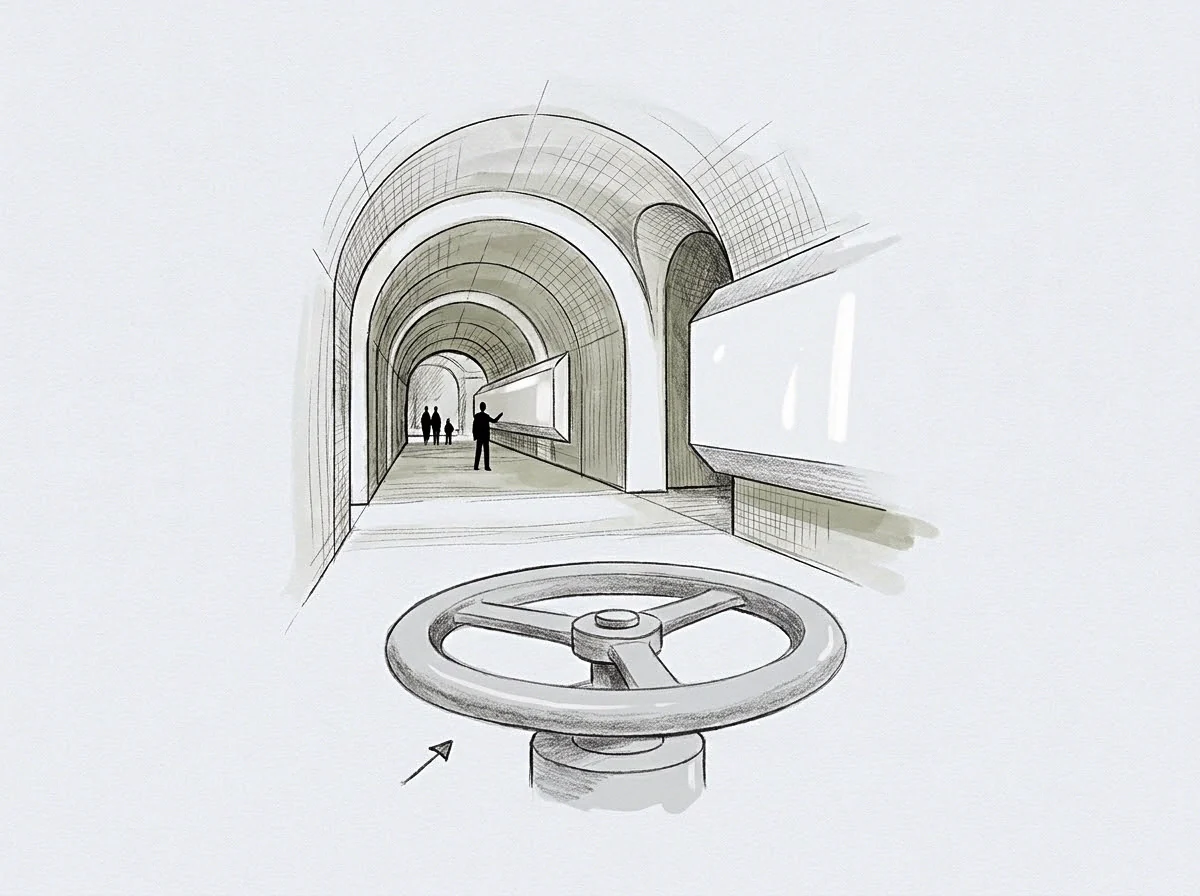
Could Operational Authority Be Divided Cleanly?
Dividing daily decision-making between two principals running one small business produces operational paralysis. The seller believes their continued input protects the value of an earnout or a seller promissory note representing forty percent of the transaction consideration. The buyer believes that every recommendation from the former operator preserves inefficient legacy practices that limit operational profitability.
An asset transaction establishes legal ownership of equipment, but the command of the people who operate the equipment resists clean contractual division.
Consider an industrial fabrication facility generating four million dollars in annual revenue. The seller agrees to a ninety-day on-site consulting contract to assist with customer handovers and machine maintenance protocols. The transaction terms include a thirty percent seller note carrying a six-year amortization schedule, alongside an earnout tied to maintaining gross margins above thirty-five percent on top-five commercial accounts.
Four weeks after closing, the facility’s lead CNC programmer threatens to resign over a revised overtime policy instituted by the buyer to contain overhead. The seller recognizes that replacing the programmer requires four months of recruiting and halts production on twenty open work orders, instantly threatening the gross margin threshold required for the earnout payment. The seller intervenes directly, offering the programmer a personal bonus outside the company payroll to maintain attendance.
The buyer discovers this side arrangement and issues a formal notice of material breach, terminating the seller’s advisory contract and barring the seller from the premises.
The programmer departs three days later. Production halts on two major accounts, revenue drops twenty-five percent in the subsequent quarter, and the buyer defaults on the first installment of the seller promissory note. Both parties acted out of rational economic self-preservation within their respective seats.
The seller acted to preserve the earnout metric; the buyer acted to enforce managerial supremacy over the workforce. The split authority destroyed the operating stability required to satisfy both obligations.
Suppliers demand guarantees.
Vendor relationship transfers follow an identical pattern of operational fragility. Wholesale suppliers extend trade credit based on personal guarantees executed by the selling owner over a decade of continuous performance. Upon completion of an asset sale, suppliers freeze trade terms pending extensive underwriting of the acquiring corporate entity.
The buyer, lacking an operating history, receives demands for upfront wire transfers or cash-on-delivery terms on standard component orders.
To avoid supply disruptions, the seller often permits the buyer to run purchasing through the seller’s existing trade lines for sixty days, backed by an informal indemnification agreement. This arrangement places the seller’s personal credit on the line for materials ordered by a buyer whose operational competence remains unverified. If the buyer mishandles project completion and fails to collect customer receivables, the supplier demands immediate satisfaction from the seller’s personal guarantee.
The seller discovers that an asset sale intended to liquidate operational exposure has expanded it across third-party commercial relationships.
Whether a seller can protect long-term deferred compensation without exercising informal operational authority remains an open structural problem.

Escrow

Structuring the Protective Holdback
Indemnity escrows and working capital holdbacks constitute the primary financial mechanisms that align seller incentives with complete operational transition. In lower middle-market asset transactions, indemnity holdbacks routinely comprise ten to twenty percent of the headline transaction value, held by a third-party institutional escrow agent for twelve to twenty-four months. The purpose of this capital pool is the defense of the buyer against undisclosed liabilities, inventory valuation shortfalls, and breaches of fundamental representations and warranties.
Warranties run long.
Escrows operate as an operational lever rather than a passive savings vehicle. When the seller knows that ten percent of the purchase price sits beyond reach until customer assignments complete and software credentials transfer cleanly, the incentive to provide prompt technical assistance remains intact. A seller who receives one hundred percent of transaction proceeds in cash at the closing table possesses zero financial motivation to answer technical queries regarding custom machinery at six o’clock on a Tuesday morning three months post-sale.
The note survives.
Sellers resist excessive escrow holdbacks, pointing out that an uncooperative buyer can fabricate minor operational grievances to delay escrow releases. A buyer experiencing lower post-acquisition profitability can assert indemnification claims alleging that historical customer churn rates were misrepresented in confidential information memoranda. Under typical escrow agreements, a formal claim notice from the buyer freezes the contested funds in escrow until the dispute reaches arbitration or negotiated settlement.
This mechanism grants the buyer significant leverage to force price renegotiations months after taking control of the operating assets.

Earnouts and Performance Governance
Contingent consideration structures like earnouts intensify transitional control risks by wedding the seller’s financial recovery to operational decisions made by a different manager. When an asset transaction bridges valuation gaps with an earnout tied to gross revenue or EBITDA targets over a two-year post-closing period, the contract must establish precise operating covenants governing how the buyer conducts the acquired business during that window.
The buyer defaults.
A buyer operating an acquired business under an earnout covenant possesses structural incentives to suppress short-term performance to minimize contingent payouts, or to reallocate overhead expenses to acquired asset divisions. The buyer may defer marketing expenditures, alter client credit terms to postpone revenue realization, or cross-sell products from another corporate subsidiary at a discount funded by the acquired asset base. Each of these operational moves lowers the earnout calculation while benefiting the buyer’s broader corporate enterprise.
The seller requires negative operational covenants in the purchase agreement to defend against this behavior. These covenants restrict the buyer’s authority to alter sales compensation plans, redirect key customer accounts to affiliated entities, discontinue primary product lines, or change cost-allocation methodologies without the seller’s prior written consent. The resulting contract forces the buyer to operate an acquired asset base with hands tied by a minority financial stakeholder.
The buyer discovers that an outright asset purchase has produced a governance structure resembling an adversarial joint venture.
The contract governs.
The dispute resolves through precise definitions of calculation metrics and audit rights. Earnouts structured on top-line gross revenue eliminate disputes regarding internal corporate overhead allocations, though they fail to align incentives regarding operating profitability. Earnouts structured on gross profit require meticulous definitions of direct labor and material costs, excluding generalized executive overhead charges.
The covenant restricting material changes to operating practices during the earnout window establishes that any unilateral alteration of customer pricing models invalidates the performance threshold and converts the contingent sum into an immediate cash liability.

Severance

Extracting the Seller from Operations
The terminal phase of transitional control is the physical and administrative extraction of the former owner from the enterprise. This stage is frequently mismanaged because both parties treat the concluding handover as an informal event rather than a governed legal event. The final day of the seller’s on-site consulting contract arrives without a formal termination audit, leaving secondary communication channels, supplier guarantees, and informal authority patterns unresolved.
The seat clears.
Complete severance demands the systematic shutdown of every informal channel linking the seller to daily operational decisions. This extraction requires technical revoking of remote access profiles, termination of forwarding rules on legacy email accounts, formal replacement of personal guarantees on commercial real estate leases, and structured customer introduction meetings where the seller explicitly transfers relational trust to the successor operator.
Staff members continue seeking guidance from the former owner long after the physical desk is vacated if communications remain open. Former operators who retain active email addresses or telephone extensions receive customer escalations and employee complaints. When the former owner replies, even with neutral advice, the buyer’s management authority experiences continued erosion.
The former operator must become operationally unavailable for the new leadership structure to achieve functional legitimacy.

Residual Legal and Financial Liabilities
The post-severance period remains burdened by trailing operational liabilities that survive the asset handover. In an asset sale, the buyer generally does not assume pre-closing liabilities unless specifically scheduled in the transaction agreements. Practical enforcement of this separation breaks down when statutory successor liability doctrines apply.
Certain jurisdictions impose successor liability on the buyer of business assets for pre-existing environmental claims, unpaid state sales taxes, or trailing employment discrimination actions, despite explicit contractual indemnification clauses stating that the seller retains all such burdens.
The operator stays.
If the selling corporate entity dissolves immediately following the asset transaction, distributing purchase proceeds to its shareholders, the buyer’s indemnity rights under the contract become economically worthless. A buyer facing an unexpected state sales tax assessment on pre-closing transactions has no solvent corporate counterparty from which to seek indemnification, unless the transaction structure mandated a trailing corporate existence covenant backed by personal shareholder indemnities.
A parallel exposure threatens the seller through personal guarantee survival. Commercial landlords routinely refuse to release a selling operator from a prime lease guarantee upon the assignment of the lease to an acquiring entity. The landlord agrees to accept rent payments from the buyer while maintaining the seller’s personal guaranty as secondary credit enhancement.
If the buyer mismanages the business eighteen months after the sale and defaults on the facility lease, the landlord proceeds directly against the former owner for the accelerated balance of the lease term.
The seller discovers that operational disengagement does not equate to commercial release. Liquidating an asset base while leaving secondary credit covenants active converts the former owner into an involuntary, uncompensated surety for the operational risks of a stranger. Managing transitional control in small business asset sales requires absolute synchronization between the physical transfer of daily work, the legal assignment of operational rights, and the absolute termination of personal economic exposure.
When the seller vacates the physical premises without securing formal releases of personal trade guarantees, the transaction shifts operating control to the buyer while leaving the long-term enterprise debt resting entirely on the former owner’s balance sheet.