
Translating Undocumented Founder Interventions Into Stated Transitional Service Agreements
Translating undocumented interventions into a transitional agreement requires auditing tacit operations, scoping schedules, and setting tiered rates.
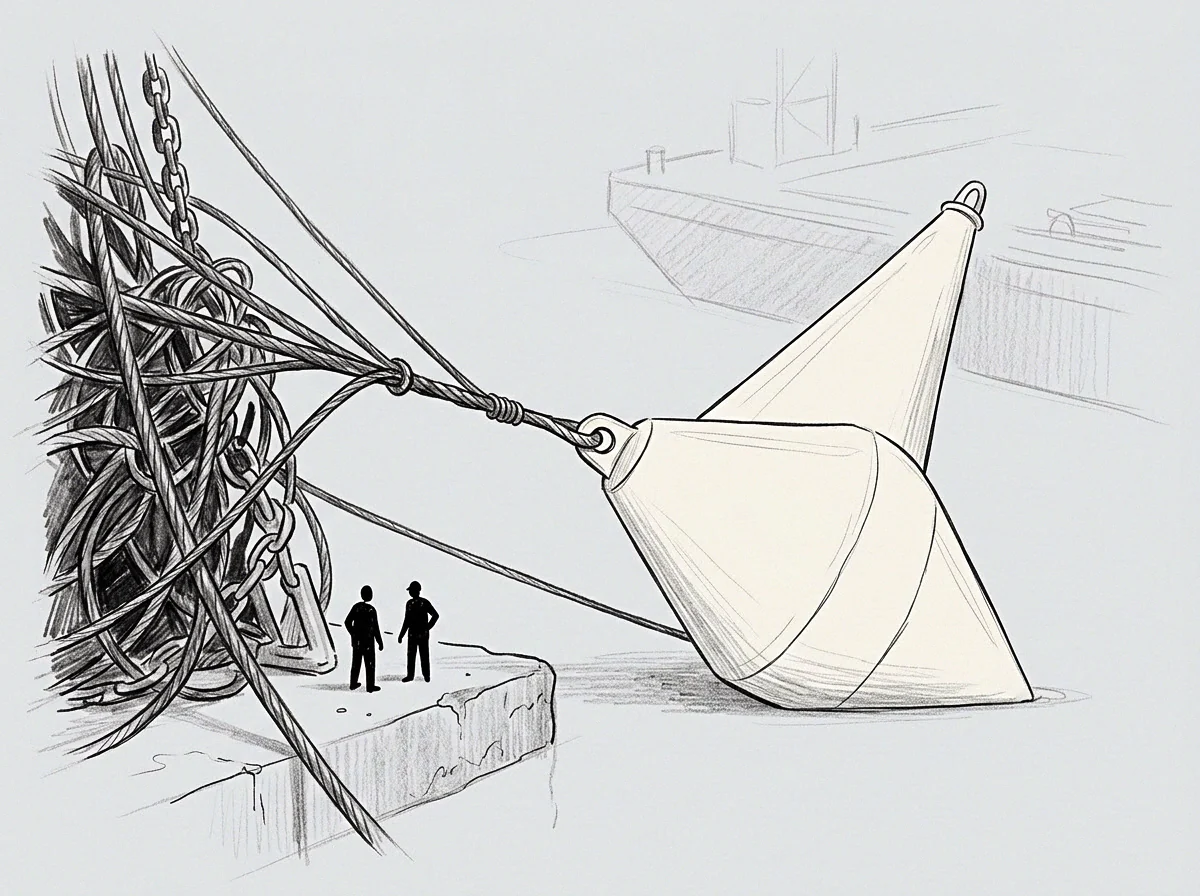
Floor
At two in the morning, a phone vibrates on a wooden desk because an automated database sync failed silently behind an unrecorded script. An operator wakes up, opens a terminal window, types four commands from memory, and returns to bed. The server restarts.
The transaction log records normal throughput by sunrise, and the incident disappears from company awareness. Ten years of operating an enterprise generates hundreds of these private interventions, distributed across server architecture, vendor concessions, key account reconciliations, and payroll adjustments.
When an enterprise changes ownership, the written asset register lists code repositories, contracts, client accounts, and physical equipment. The unwritten labor that prevents those assets from seizing up remains trapped inside one person’s daily habit. During corporate acquisitions or executive successions, this gap creates operational shocks.
A purchasing entity expects the business to function autonomously from the closing date, while the departing operator carries an uncataloged inventory of manual corrections.
A company operates on the difference between written procedures and the personal habits that keep them running.
The technician seat within the executive role frequently absorbs operational defects to preserve forward momentum. When an enterprise software integration breaks, writing a ticket and waiting three weeks for a vendor patch threatens quarterly delivery. The operator steps in, builds a private patch, and bypasses the official queue.
Over years, these tactical compromises accumulate into an informal infrastructure layer. The organization depends on continuous personal intervention, yet no employment agreement, operating manual, or board resolution acknowledges the work.
Translating these invisible routines into explicit commercial instruments requires an unspooling of tacit memory. Every undocumented patch represents an operational risk for the successor and an uncompensated drain on the departing principal.

Informal Interventions and Institutional Memory
Institutional memory in closely held companies rarely lives in shared directories. It sits inside individual cognitive loops shaped by years of immediate crisis management. Research in organizational role theory distinguishes between explicit job descriptions and the psychological contract that dictates actual workplace behavior.
In founder-managed firms, this psychological contract obligates the primary builder to catch every falling object, regardless of functional boundaries.
When the business transitions, this unstated obligation collides with commercial reality. The buyer views the founder as an advisory resource on call for high-level strategy. The business, however, needs that same individual to balance the general ledger when the legacy accounting connector drops decimal points at month-end.
Because the purchase agreement failed to specify these technical rescue operations, the buyer views their continuation as ordinary post-closing cooperation, while the seller experiences them as uncompensated ongoing employment.

Separating the Person From the Function
A transition requires breaking the technician seat into measurable services before legal execution. The incoming management team needs a functional audit of everything the departing executive touches during a standard fiscal quarter. This audit tracks login access patterns, communications with vendor executives, direct telephone calls with Tier-1 accounts, and offline spreadsheets used for operational forecasting.
The inventory reveals every instance where personal discretion substituted for systemic capability.
The enterprise functions smoothly only because one individual absorbed systemic noise. Once those noise-absorption routines surface, legal counsel can bind them into a commercial agreement with defined hours, discrete deliverables, and explicit termination milestones. The resulting document strips personal loyalty out of the operational equation, leaving a bilateral services contract behind.
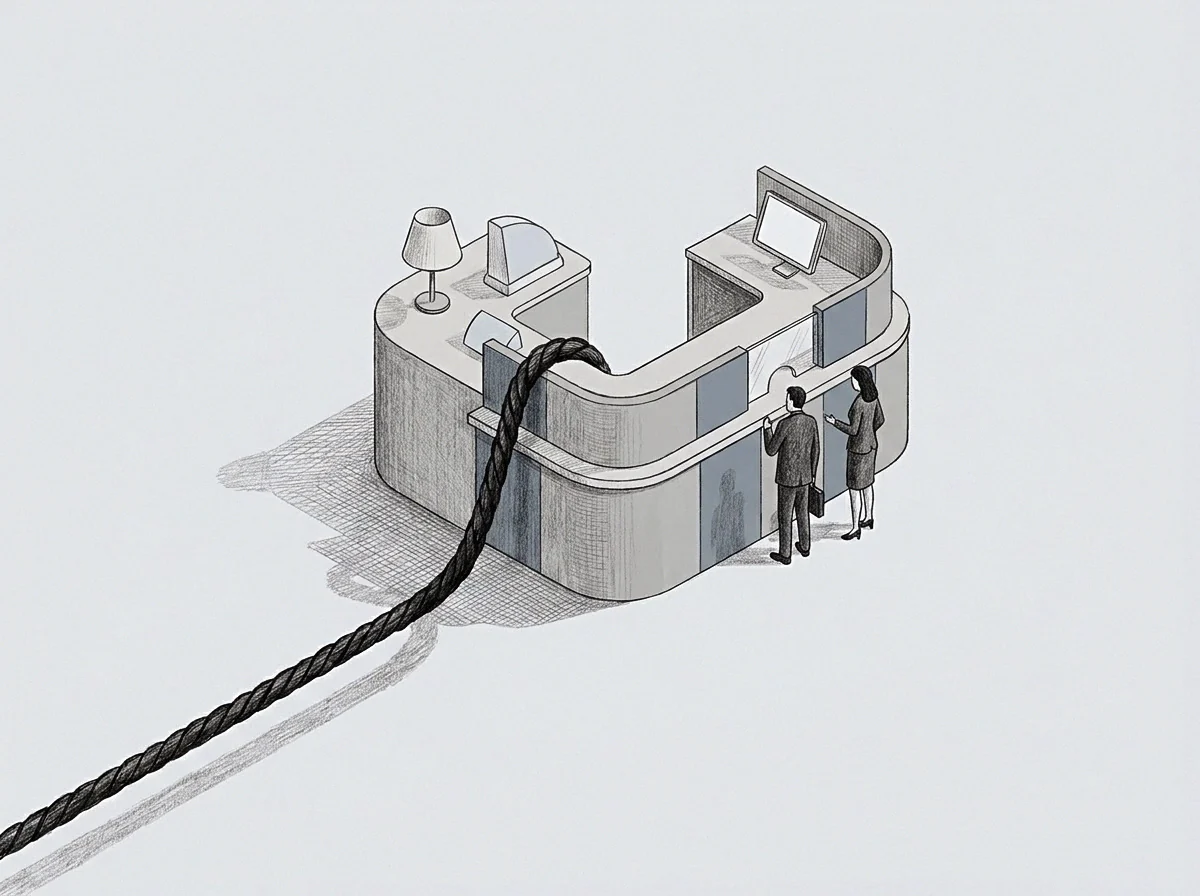
Rupture
Operational continuity fractures the moment informal assistance meets an unexpected technical failure. A departing executive answers three casual phone calls during the first month after closing to explain software quirks. On the fourth call, an enterprise client cancels a contract because an undocumented custom billing format vanished during a system upgrade.
The acquiring firm points to generic representations of operational soundness in the purchase agreement. The seller points to the completed equity transfer and disclaims ongoing operational management.
These disputes arise because parties treat transitional support as an informal courtesy rather than a professional services engagement. Without strict contractual boundaries, role strain expands rapidly. Role strain describes the friction experienced by an individual facing incompatible expectations within a single organizational position.
The seller sits simultaneously as a former equity holder seeking clean release, an unpaid technical advisor, and an informal guarantor of operational stability.
Role ambiguity deepens whenever informal assistance substitutes for contractual specifications.
The operational friction deepens when operational demands outstrip personal goodwill. The acquirer interprets every refusal to troubleshoot as bad faith, while the departed operator perceives every emergency outreach as an infringement on personal liberty.

Contractual Gaps in Post-Close Operations
Standard merger agreements contain broad covenants requiring the seller to assist in orderly transition. These boilerplate provisions typically mandate reasonable assistance without defining hours, communication channels, response times, or technical limits. A legal authority reading a general assistance clause looks to past corporate practice to determine reasonableness.
If the operator historically worked seventy hours a week handling low-level logistics, a buyer can argue that reasonable transition includes continuing those manual interventions until replacement staff reach proficiency.
The table below compares the structural characteristics of informal assistance against stated transitional service agreements across operational dimensions.
| Dimension | Informal Assistance Model | Stated Agreement Structure |
|---|---|---|
| Service Scope | Unlimited reactive response to emerging operational crises | Exhaustive schedule of discrete tasks and technical domains |
| Time Commitment | Unmetered hours driven by buyer urgency and distress | Capped monthly hours with formal overage multipliers |
| Performance Standard | Implied historical competence and continuous problem solving | Reasonable commercial efforts tied to documented procedures |
| Liability Exposure | Indemnification claims based on operational degradation | Capped liability excluded from standard transactional escrows |
| Termination Trigger | Interpersonal resentment and progressive communication withdrawal | Definite calendar sunset dates and milestone achievements |
Relying on informal cooperation creates unhedged operational liability for both parties. The buyer exposes core systems to unmanaged dependencies, and the seller risks endless uncompensated labor backed by the threat of escrow claims.

Draft
Translating undocumented interventions into a functional transitional instrument begins with exhaustive operational decomposition. The drafter treats the departing leader as an independent third-party vendor whose operational history must undergo structural codification. Every repetitive operational act performed during the trailing twelve months undergoes categorization by frequency, technical specialty, and business impact.
The drafting process requires extracting implicit duties from daily calendars, sent email histories, and communication software channels. Tasks that once felt like casual problem-solving emerge as discrete technical processes: configuring monthly tax compliance tables, renegotiating third-tier vendor renewals, manually balancing legacy inventory figures, and troubleshooting customer-facing application bugs.
A transitional agreement transforms private operational memory into an arm-length commercial service.
Each identified intervention earns an entry in a formal schedule of services appended to the main purchase contract. If a task lacks an explicit description in the schedule, it remains outside the scope of the transitional obligation, forcing the incoming management team to develop internal operational capability.

Constructing the Service Schedules
The schedule must categorize services by functional area, isolating technical maintenance from customer relationship management and executive guidance. Precision prevents scope expansion during high-stress operational quarters.
- Core Systems Maintenance covers database indexing, custom script upkeep, server certificate updates, and emergency recovery interventions with defined response parameters.
- Commercial Relationship Management governs planned handover meetings with enterprise clients, introduction protocols for strategic partners, and structured communication boundaries.
- Administrative Reconciliation establishes defined procedures for transferring bank signing authorities, managing historical payroll queries, and reconciling quarterly tax filings.
- Knowledge Transfer Protocol structures weekly recorded training sessions designed to teach full-time successor employees how to execute complex recurring operations.
Documenting these services establishes clear operational reality. The buyer confronts the true cost of operating the business without informal executive scaffolding, and the departing operator secures a legal boundary around remaining personal commitments.
A task omitted from the written schedule falls entirely on the incoming organization.

Tariff
Every minute of transitional support carries a financial and operational cost. Pricing transitional services requires establishing a clear economic deterrent against unnecessary executive utilization. Acquirers view free advisory time as an unlimited resource, deploying the former owner to handle routine customer service inquiries or basic software training.
A tiered compensation architecture aligns incentives between the acquiring business and the departing operator. The base retainer covers a conservative baseline of hours dedicated to planned knowledge transfer and scheduled meetings. Once operational emergencies pierce that ceiling, progressive hourly surcharges apply.
These surcharges are economic disincentives designed to encourage the acquirer to train internal staff rather than rely on the former owner.
In maritime salvage law, a vessel entering an operational emergency pays substantial bounties to specialized tug operators based on danger and displacement rather than routine shipping tariffs. Transitional service agreements share this economic logic: unblocking an enterprise database at midnight carries a premium tariff because it extracts scarce cognitive capacity under acute operational stress.

Structuring the Billing Architecture
The agreement must define the billing unit, the reporting mechanism, and payment acceleration protocols. Time logs require submission on a bi-weekly cycle, supported by ticket references and task descriptions. Disputed line items cannot delay payment for uncontested service hours, protecting the operator from cash retention tactics.
A well-calibrated rate structure establishes distinct fees for scheduled consultation versus emergency response. Unscheduled interventions requested with less than twenty-four hours notice command double the standard hourly rate. The invoice arrives late when administrative friction interferes, so automated billing terms linked to retainers mitigate late-payment risks.
A buyer finds that paying professional rates for operational advice doubles the expense for an asset already purchased at closing.
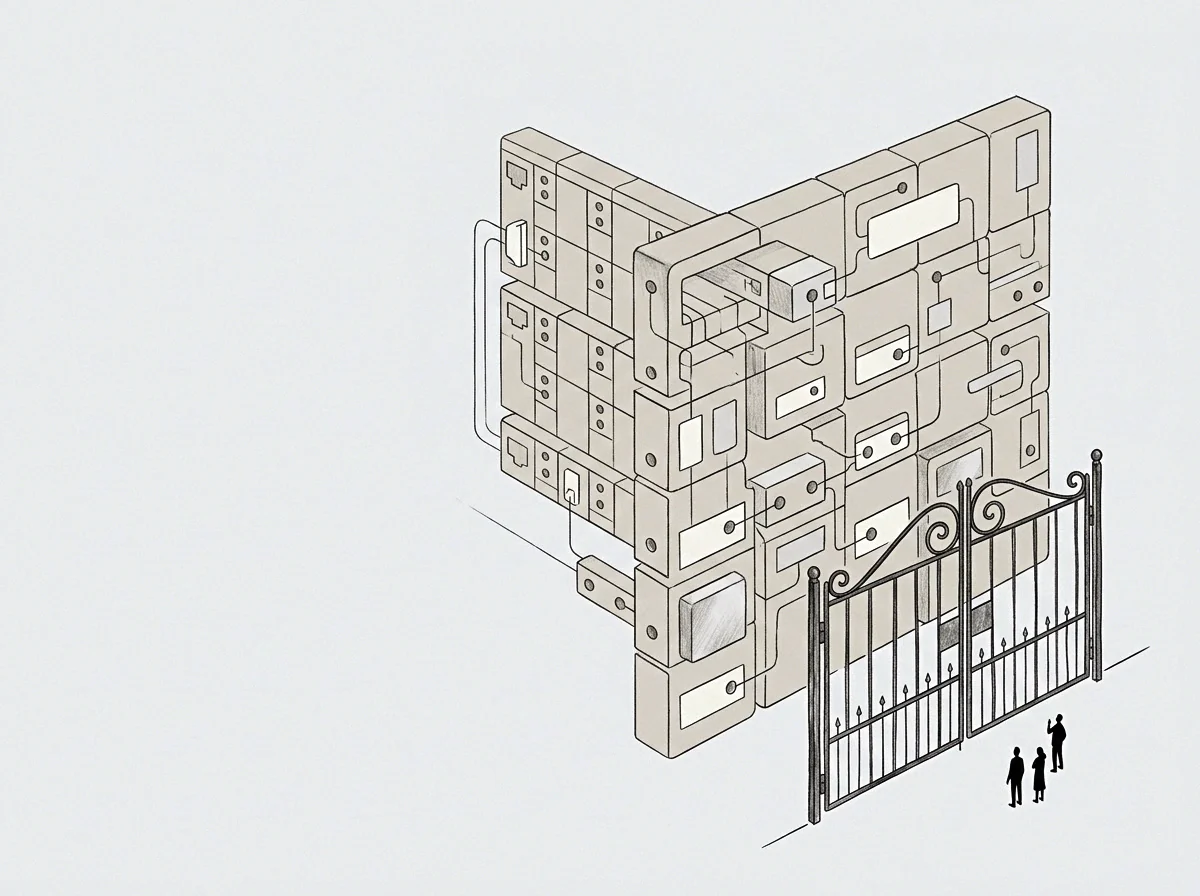
Term
A transitional service agreement without a hard sunset date becomes a permanent employment tether. Acquirers naturally seek open-ended extension options to cushion operational missteps, turning a sixty-day handover into an indefinite consulting commitment. The agreement must establish a strict termination schedule tied to specific dates rather than subjective satisfaction thresholds.
Milestone completions provide definitive transition gates. Once successor personnel complete documented training on a critical software system, the seller’s obligation for that specific functional silo terminates immediately. Phased terminations shrink the operator’s operational footprint month by month, preventing a sudden, unmanaged divorce at the end of the contract term.
A transitional agreement serves to engineer its own obsolescence.
Liability boundaries during the transitional period protect the outgoing operator from operational downside. While performing transitional services, the operator operates under a gross negligence standard rather than ordinary breach of warranty. Any damages arising from good-faith technical interventions must be subject to an aggregate liability cap equal to fees actually received under the service agreement.

Definitive Separation and Post-Transition Cleanout
The final phase of the agreement revokes administrative access credentials, surrenders corporate communication accounts, and formally releases the seller from further operational duties. Lingering email forwards and active software permissions invite informal outreach that compromises the legal termination of the relationship.
A comprehensive survival clause ensures that liability releases, intellectual property assignments for transitional work product, and fee indemnifications persist past contract expiration. The contract establishes a mutual release of operational claims effective on the final sunset date, closing the historical operational record permanently.
The termination clause specifies that all service obligations expire automatically on the designated date without requiring further written notices, thereby extinguishing any ongoing duty to answer operational inquiries.