Meaning
The financial reduction of an ownership stake in a company occurs when a shareholder sells their shares to another party or the company itself. Through equity divestment, a person converts their illiquid ownership into capital that can be used for other purposes. This process marks the transition from being an owner to being a former owner and usually happens in stages to avoid market instability.
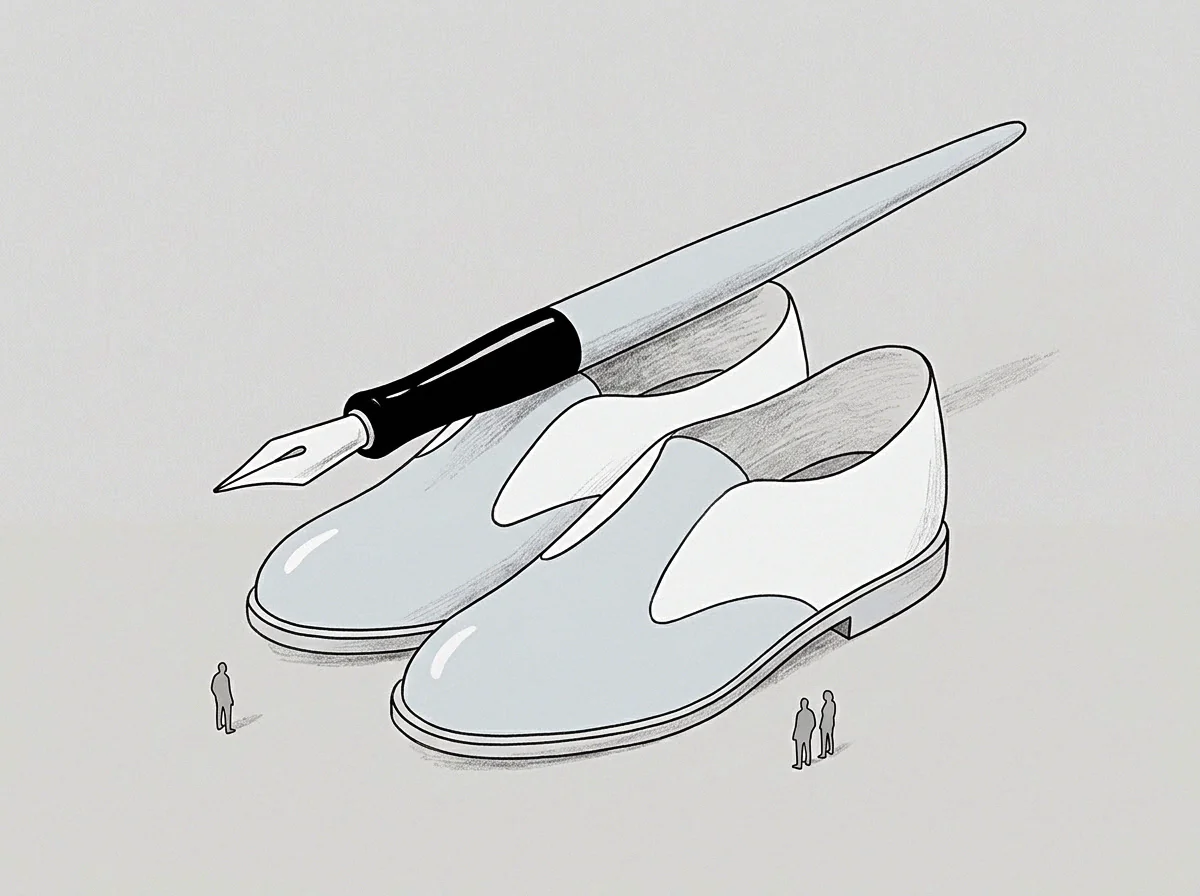
Capital Realization
Selling shares provides the liquid funds necessary for a person to start a new venture or retire. This transaction often involves legal and tax complexities that require professional oversight and significant time to resolve. The cost is measured in the fees paid to advisors and the potential impact on the company valuation.
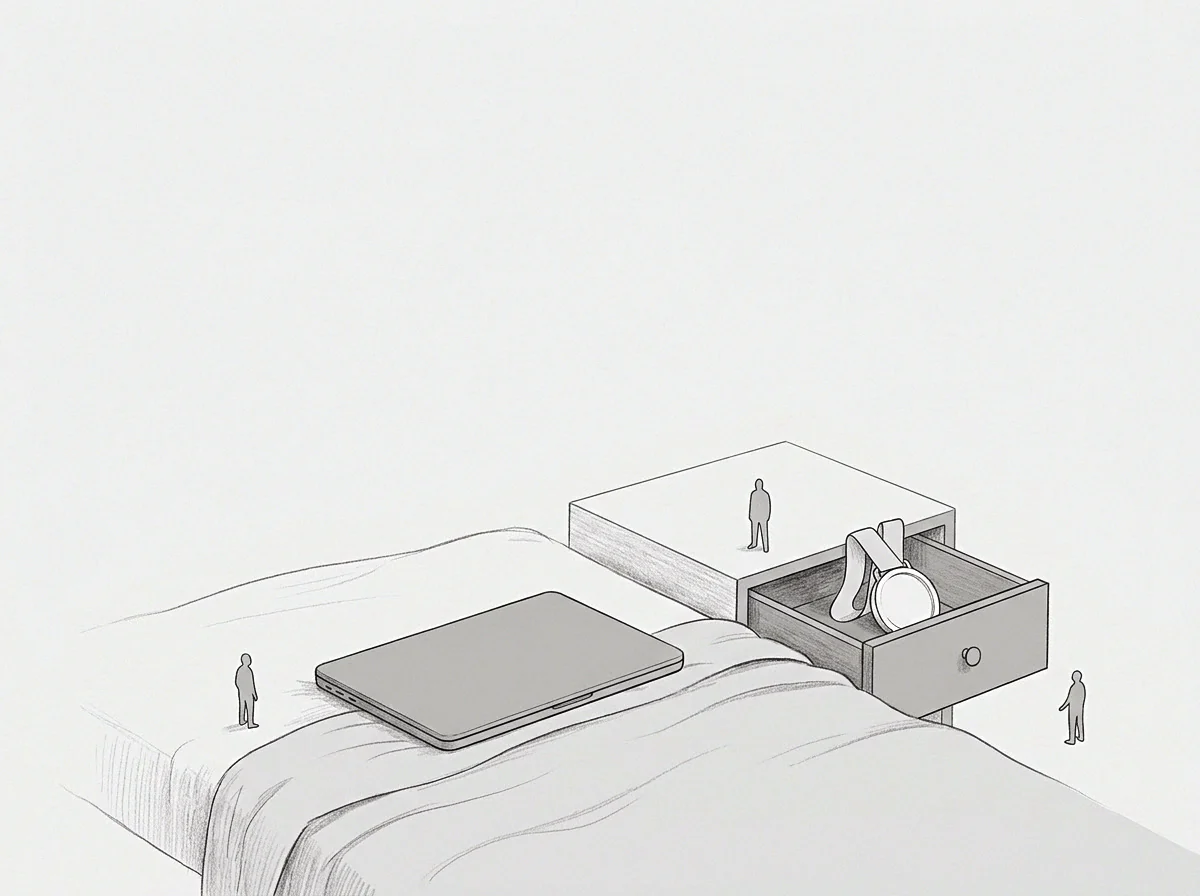
Control Shift
Reducing a stake in the business usually leads to a decrease in voting power and influence over the board. As a person holds fewer shares, their ability to dictate the direction of the company fades in favor of new investors. This movement is a standard part of the lifecycle of a growing enterprise.
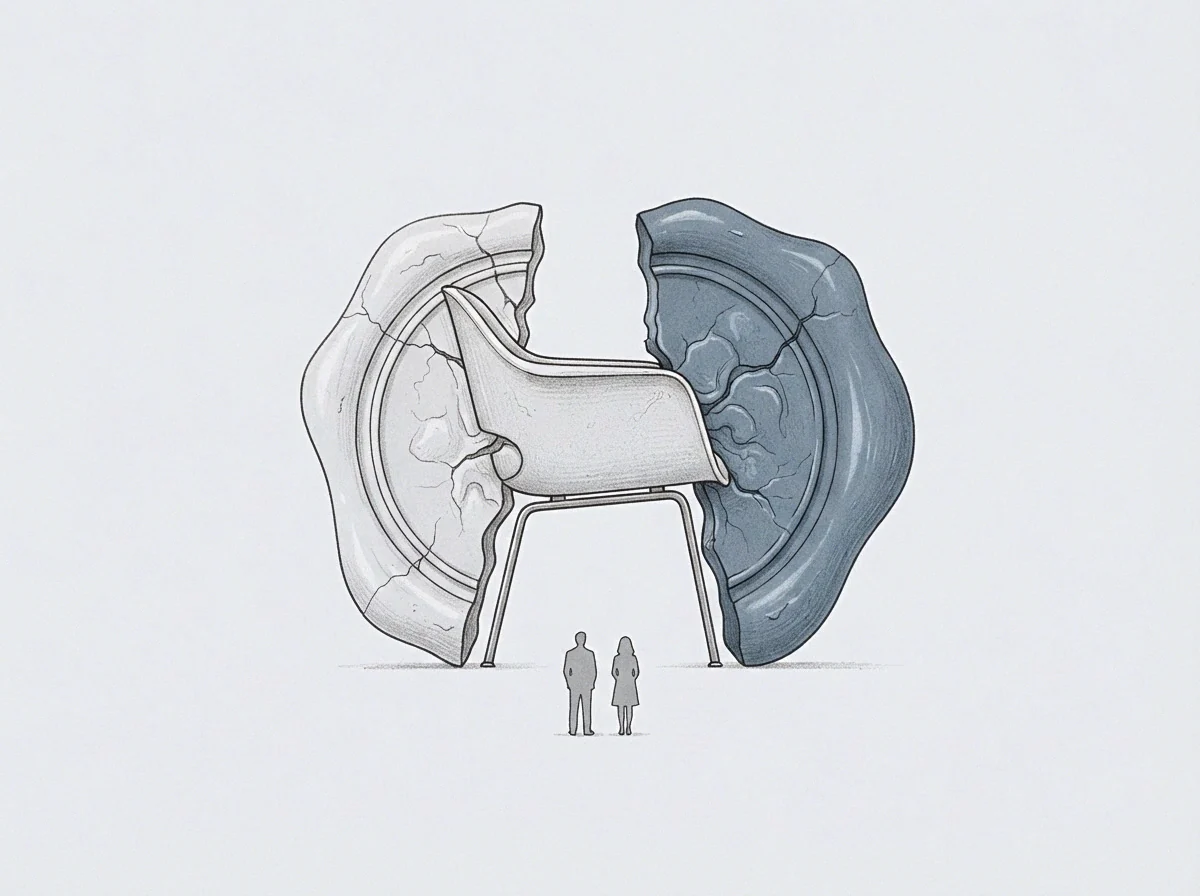
Market Signal
The timing and scale of a sale can be interpreted by the public as a sign of the company’s health. A large, sudden disposal of shares might cause concern among remaining investors, whereas a planned and gradual exit is generally viewed as neutral. Managing these perceptions is part of the work required during the exit.
Equity divestment creates the final separation between the founder and the financial future of the company.