Meaning
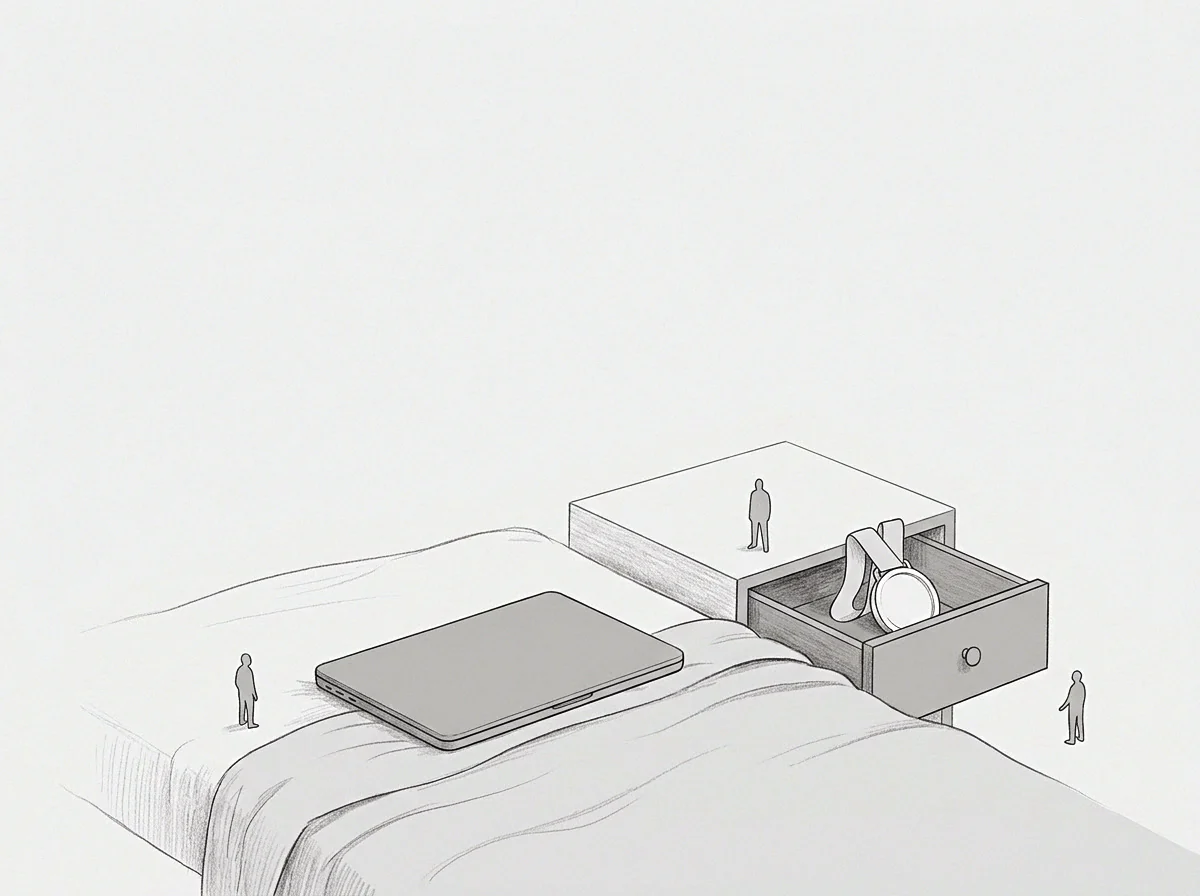
A person who provides instructions to the board of a company without holding an official seat maintains a shadow directorship. This arrangement exerts influence over the decision-making process while avoiding the legal liabilities attached to formal appointments. The position functions as a hidden lever of control that operates outside the documented corporate structure.
Corporate Oversight
Formal boards bear the legal duty to act in the interest of the company. A shadow directorship undermines this obligation by shifting the actual source of authority away from the accountable officers. Individuals in this role often direct actions behind the scenes through intermediaries or by applying pressure to specific board members.
Capacity Cost
Founders choosing to exercise power through this informal channel retain influence while shedding the public burden of oversight. The personal cost arrives as an intense demand for attention and time spent managing communication channels to ensure instructions are followed without leaving a paper trail. Maintaining such a shadow directorship requires constant vigilance to hide the true origin of corporate decisions.
Liability Exposure
Courts look past the title held by an individual to determine who actually controls the management of a firm. Legal frameworks treat a person acting as a director exactly as they would an official occupant of the board seat. This equivalence imposes the same fiduciary duties upon the shadow participant despite their lack of a formal appointment.
Participation in these activities carries the risk of prosecution for failure to exercise care or loyalty in the same manner required of the named board members.