Meaning
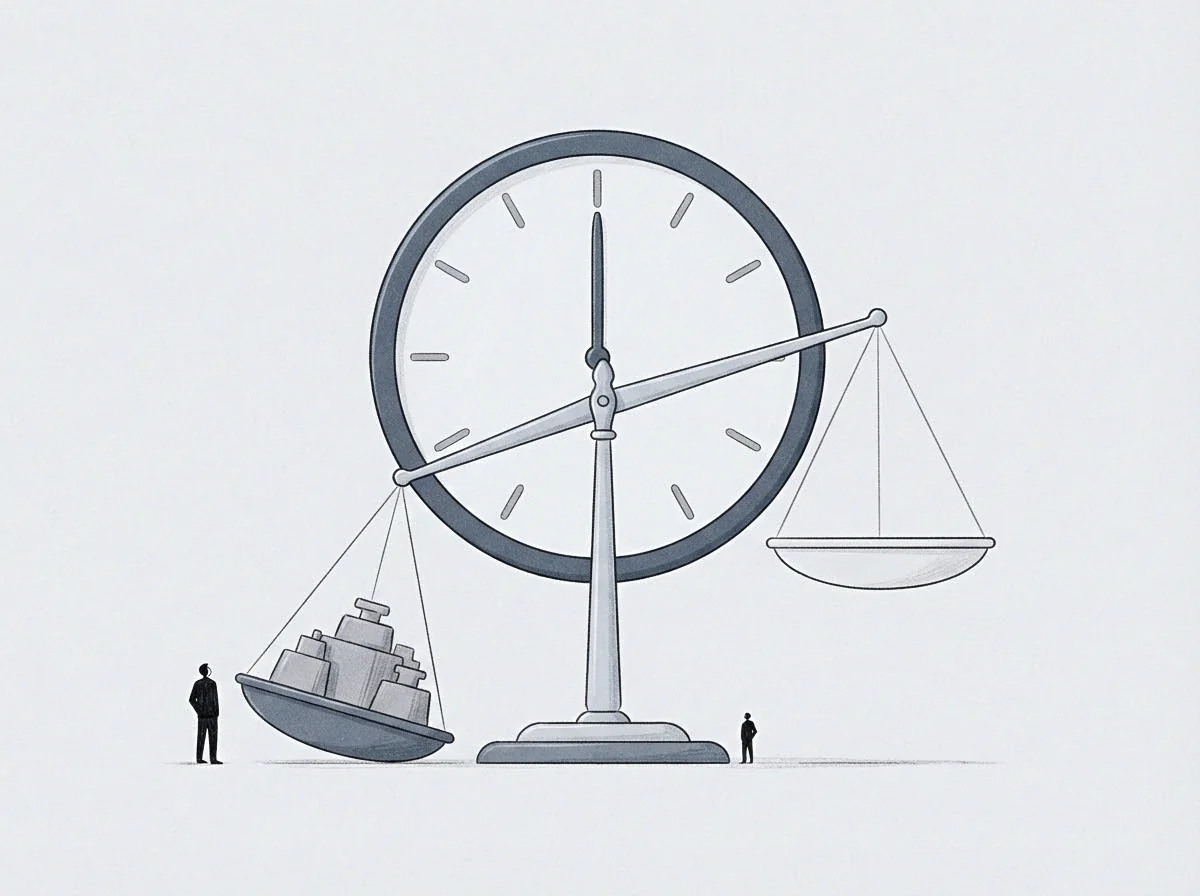
Board attendance requires structural detachment from daily operations when founders occupy the non-executive seat. Governance oversight defines the formal boundary where shareholders evaluate executive performance and risk exposure without holding operational authority. This practice measures executive decisions against fiduciary duty, regulatory compliance, and strategic targets approved during initial capital formation.
The mechanism applies exclusively to corporate boards and advisory committees where equity holders delegate execution to hired management.
Board Friction
Directors experience persistent tension between operational instinct and statutory detachment during quarterly reviews. Founders accustomed to direct control spend significant hours adjusting to passive inquiry rather than immediate intervention. Board oversight demands disciplined attention to financial statements and audit reports rather than product specifications.
Directors absorb the cognitive cost of withholding operational fixes while watching management navigate avoidable hurdles. This structural distance protects the corporation from operational drift while draining the founder’s personal energy.
Capital Exposure
Shareholder value depends on rigorous board evaluation of liquidity reserves and debt covenants. Governance oversight exposes financial vulnerabilities before cash depletion forces emergency dilution or insolvency proceedings. Directors measure capital allocation efficiency against industry benchmarks to protect minority shareholder interests.
Liability risks increase when oversight mechanisms fail to challenge aggressive revenue recognition or regulatory non-compliance. Passive boards shift direct financial exposure onto individual directors through personal liability claims.
Structural Succession
Board composition evolves as early investors replace internal founders to match changing market demands. Governance oversight structures the transition from charismatic control to institutional accountability during later funding stages. Independent directors introduce formal voting procedures that reduce reliance on informal founder agreements.
This institutional shift preserves corporate continuity beyond the tenure of the original entrepreneurial team.