
Resolving Valuation Disputes Over Tacit Operational Knowledge Loss In Middle Market Transitions
Valuation disputes over tacit operational knowledge resolve by imputing replacement labor costs into historical earnings and tying deferred value to process metrics.
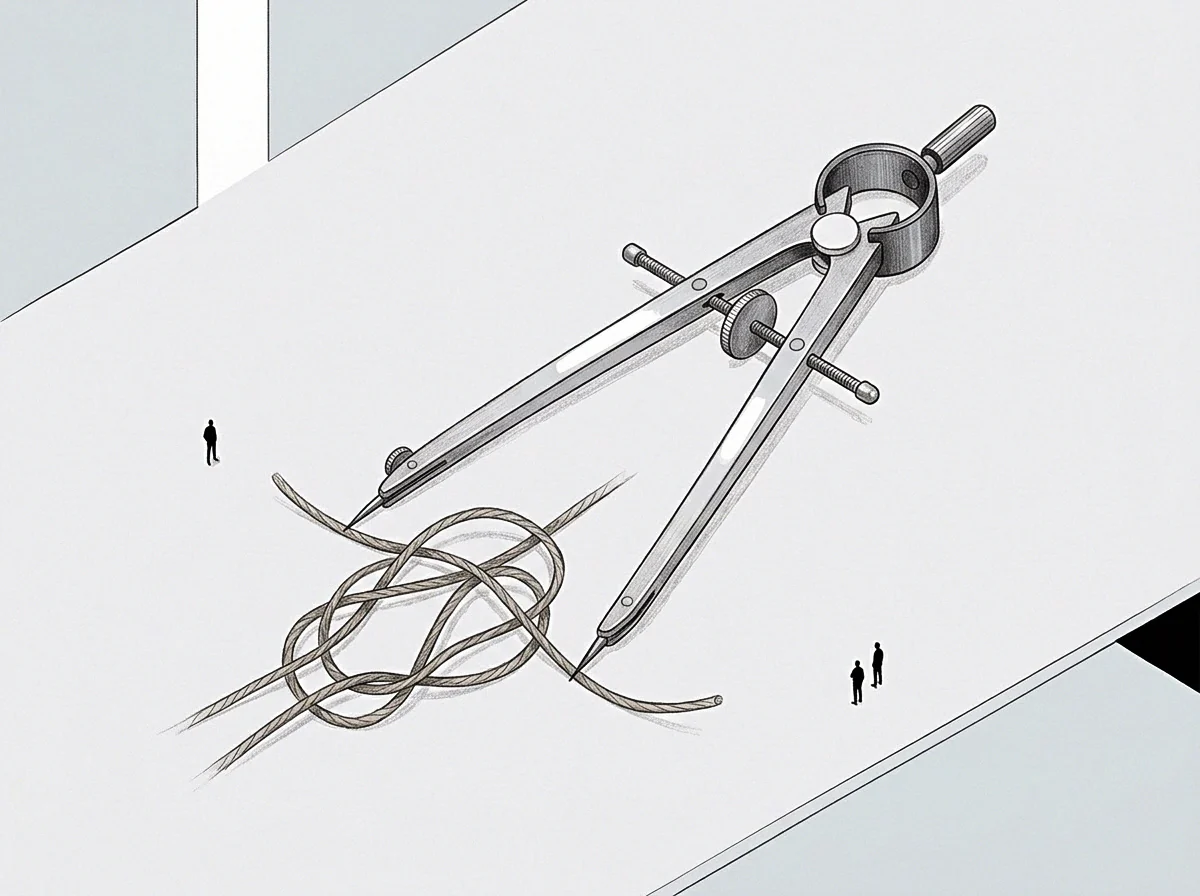
Desk
Due diligence binders in lower middle market transactions routinely display stable gross margins beside clean customer concentration tables. The physical facility tells a different story. Specialized machine feeds run on unwritten adjustments made by one person before the morning shift starts.
Critical vendors honor volume pricing negotiated over private dinners twelve years ago without master service contracts on file. When private equity buyers discover these unrecorded dependencies during operational review, enterprise valuation models fracture.
The purchase price of an owner-managed firm rests on the presumption that historical cash flows belong to the corporate entity. In firms generating between two and ten million dollars of earnings, operating procedures reside in the physical habits of the founder. The seller reports historical profitability as an institutional achievement.
The acquirer uncovers two unlisted technician jobs disguised inside the executive payroll. Plant output slows.
Tacit habits resist documentation. An operator who spent thirty years fine-tuning stamping presses or balancing distributor rebates cannot translate reflex into training modules during a sixty-day exclusivity window. When the acquirer requests standard operating procedures for key accounts, the seller produces four pages of generic flowcharts created by an external advisor.
The real operational logic remains locked in the operator’s daily movements. The gap widens.
Investment committees respond to this operational opacity with defensive financial engineering. Multiples drop from eight times trailing cash flow to six times. Valuation gaps emerge that threaten the transaction.
The seller considers the discounted bid an insult to historical performance. The buyer views the unrecorded routines as an immediate threat to post-closing earnings stability. The historical cash flows reflect personal labor rather than transferable corporate asset value.

Drift
Operating routines begin decaying the hour an acquisition agreement signs. Polanyi observed that human actors know more than they can tell, a reality that middle market acquirers confront whenever an owner steps away from active plant management. In precision machining, specialized distribution, or regional contracting, process variance hides beneath personal intervention.
The departing operator continuously adjusts tooling speeds, placates frustrated warehouse foremen, and re-allocates inventory batches by memory. When that intervention ceases, production metrics decline.
Unwritten equipment maintenance sequences disappear the morning the departing operator surrenders the shop keys.
Scrap rates climb during the first quarter under external stewardship. Customer claim rates rise as orders process through rigid computer systems rather than informal manual inspections. The financial consequence of this operational slippage lands directly on trailing twelve-month adjusted earnings.
Production schedules fail.
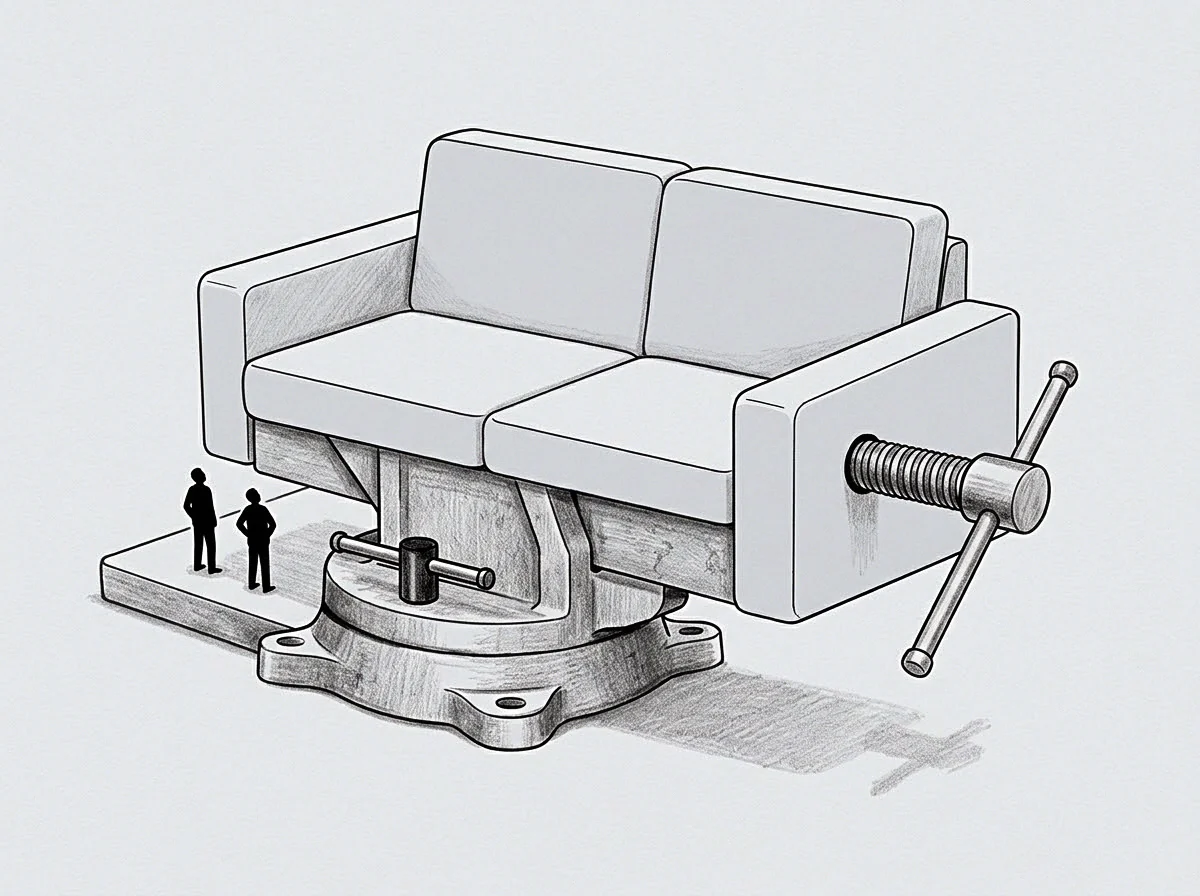
Can Working Capital Adjustments Absorb Informal Shop Knowledge?
Acquirers often attempt to address unrecorded operational vulnerabilities through post-closing working capital pegs. This financial mechanism fails to capture the structural defect. Working capital targets measure inventory volume, receivables aging, and current payables at closing.
They cannot quantify the unrecorded knowledge that prevents inventory from turning into obsolete stock.
Take a precision component manufacturer generating thirty million dollars in revenue with four million dollars in reported cash flow. The enterprise relies on one senior operator who compensates for aging CNC lathe tolerances by manual shimming. An outside buyer calculating working capital treats the machinery as fully functioning capital assets backed by standard inventory values.
Six months post-transaction, uncalibrated runs produce twelve percent defective yields. Margins contract.
Documenting these informal habits during diligence demands significant labor. Researchers studying role transitions in privately held firms emphasize that tacit operational capability resists rapid extraction. The knowledge exists as relational capital between long-tenured shop leads and the executive desk.
Disentangling that knowledge demands structured shadowing rather than checklist audits. Replacement talent costs cash. Operational margins erode until unbudgeted specialist hires restore baseline scrap rates at twice the historical payroll burden.

Split
Resolving valuation deadlocks caused by unwritten operating procedures requires decomposing the executive position into its distinct functional components. The owner-operator in a middle market business typically occupies three distinct structural positions simultaneously: the technician, the general manager, and the enterprise equity holder. Sellers routinely combine the economic output of all three into a single normalized earnings line.
Reconciling transaction value demands separating these seats.
When an owner manages plant maintenance, key vendor pricing, and corporate capital allocation from a single chair, reported EBITDA overstates transferable enterprise profitability. The business has been subsidizing operating margins with unpaid or underpaid technical labor. Establishing true economic earnings requires calculating the market replacement wage for every unrecorded technical function the departing owner performs.
| Functional Seat | Governing Scope | Tacit Operational Routine | Replacement Market Expense | Valuation Impact (7.0x Multiple) |
|---|---|---|---|---|
| Technician | Plant tooling, custom formulation, legacy client crisis resolution | Unwritten machine calibration, off-spec raw material workarounds | $225,000 base salary plus benefits | $1,575,000 purchase price reduction |
| Manager | Shift dispatch, sales compensation administration, inventory counts | Informal crew conflict mediation, seasonal credit line adjustments | $160,000 operational director salary | $1,120,000 purchase price reduction |
| Enterprise Founder | Strategic capital expenditure, ownership governance, board authority | Commercial bank trust relationships, civic enterprise reputation | $75,000 board stipend | $525,000 purchase price reduction |
| Total Reconstructed Burden | Consolidated operational management | Aggregated uncodified corporate knowledge | $460,000 pro-forma payroll add-back deduction | $3,220,000 total enterprise value variance |
The table isolates the mechanical origin of the valuation dispute. The seller values the enterprise at twenty-eight million dollars based on four million dollars of unadjusted adjusted cash flow at a seven-times multiple. The buyer values the same enterprise at twenty-four million seven hundred eighty thousand dollars after deducting four hundred sixty thousand dollars of market compensation for the missing technician and managerial layers.
The difference of three million two hundred twenty thousand dollars represents the capitalized value of the owner’s unrecorded labor.
When normalized EBITDA reflects market wages for every replaced tacit function, the valuation dispute contracts to the verified cost of replacement talent.
Closing this valuation chasm requires specific contractual terms rather than prolonged price debate. Deal teams manage this operational reality through three distinct documentation procedures:
- Functional Role Carve-Out establishes distinct employment agreements for incoming technical specialists before transaction closing, funded through an escrow carved directly from transaction proceeds.
- Shadow Operating Periods mandate sixty consecutive business days of side-by-side plant execution where the departing operator executes routines exclusively through designated successor staff.
- Milestone Run Verification links purchase price retention releases to plant performance stability metrics rather than pure top-line sales figures.
The math changes. Both parties recognize the danger. An arrangement that reflects these realities replaces subjective arguments over historical worth with defined financial adjustments.
The seller note subordination agreement establishes that debt service pauses during any quarter where scrap rates exceed the trailing twenty-four-month median.

Tranche
Valuation gaps rooted in operational dependency cannot be resolved through standard top-line earnouts. Traditional earnouts tied to revenue or gross sales create immediate conflict between legacy founders and incoming institutional managers. The buyer alters pricing tiers, introduces enterprise software, or expands the sales team, causing operating overhead to rise.
The seller claims the buyer mismanaged the business and destroyed the earnout. The buyer counters that historical earnings collapsed because the seller withheld critical operating routines.
Structuring purchase consideration into conditional tranches linked to operational milestones provides an objective alternative. Instead of pegging deferred payouts to net profit or EBITDA, middle market purchase agreements tie contingent consideration to operational transfer gates. These gates measure whether tacit knowledge has successfully transferred to the institutional team.
A bilateral knowledge escrow releases purchase funds upon third-party operational audit rather than speculative revenue targets.
Contingent structures balance economic risk across the succession period. Consider a transaction where the buyer and seller disagree on a two million dollar valuation increment attributed to customer retention and plant throughput. Splitting this increment into defined operational tranches aligns economic incentives without tying the seller to enterprise profitability they no longer control.
- Process Documentation Escrow releases thirty percent of the contingent balance once an independent engineering firm audits and verifies written operating procedures for every core manufacturing line.
- Key Account Retention Tranche distributes forty percent of the balance after twelve months if primary commercial accounts maintain historical ordering volumes under the management of new account representatives.
- Yield Tolerance Holdback delivers the final thirty percent upon demonstrating that plant scrap and return rates remain within five percent of historical three-year averages for two consecutive quarters.
Value leaves the building. Enterprise multiples compress. The transition structure forces both buyer and seller to define operational continuity in measurable units.
The founder stops viewing post-closing consulting as vague telephone availability. The buyer stops treating operational drift as intentional fraud. What remains unsettled across these structures is whether monetary deductions ever compensate a buyer for the permanent loss of proprietary machine calibration sequences.

Accord
Settling a middle market transaction involving unwritten operational capability demands a documented transition governance contract. Exiting founders who promise indefinite post-closing support create structural ambiguity that damages both the enterprise and the individual. Indefinite commitments produce role strain, as the former owner remains responsible for shop outcomes without retaining legal control over capital expenditures or personnel decisions.
The transition arrangement must define exact hours, explicit boundaries, and finite tenures.
Operational competence transfers across shared work shifts rather than through post-closing advisory telephone calls.
The transition service agreement defines the exit parameters. The departing operator agrees to two hundred forty hours of direct plant engagement over ninety days, stepping down to twenty hours per month of remote advisory support for the following quarter. Each engagement hour serves a specified objective: introducing replacement supervisors to raw material suppliers, walking tooling teams through specialized press setups, and decoding historical maintenance logs.
Overhead climbs. Silence buys nothing.
The contract governs. Clear boundaries protect the enterprise from prolonged dependency on a departed owner. They protect the individual from unending demands to solve problems that arise from natural institutional change.
When the final transition milestone concludes, the valuation dispute has solved itself through empirical operational transfer. The sale closes. Clarity settles the price.
True economic settlement occurs only when the incoming team operates the equipment at historical tolerances without consulting the former owner.