
Structural Governance Models for Resolving Tacit Infrastructure Dependencies During Founders Succession
Structural succession models resolve tacit infrastructure dependencies by binding equity release to verified technical audits and operational codification.
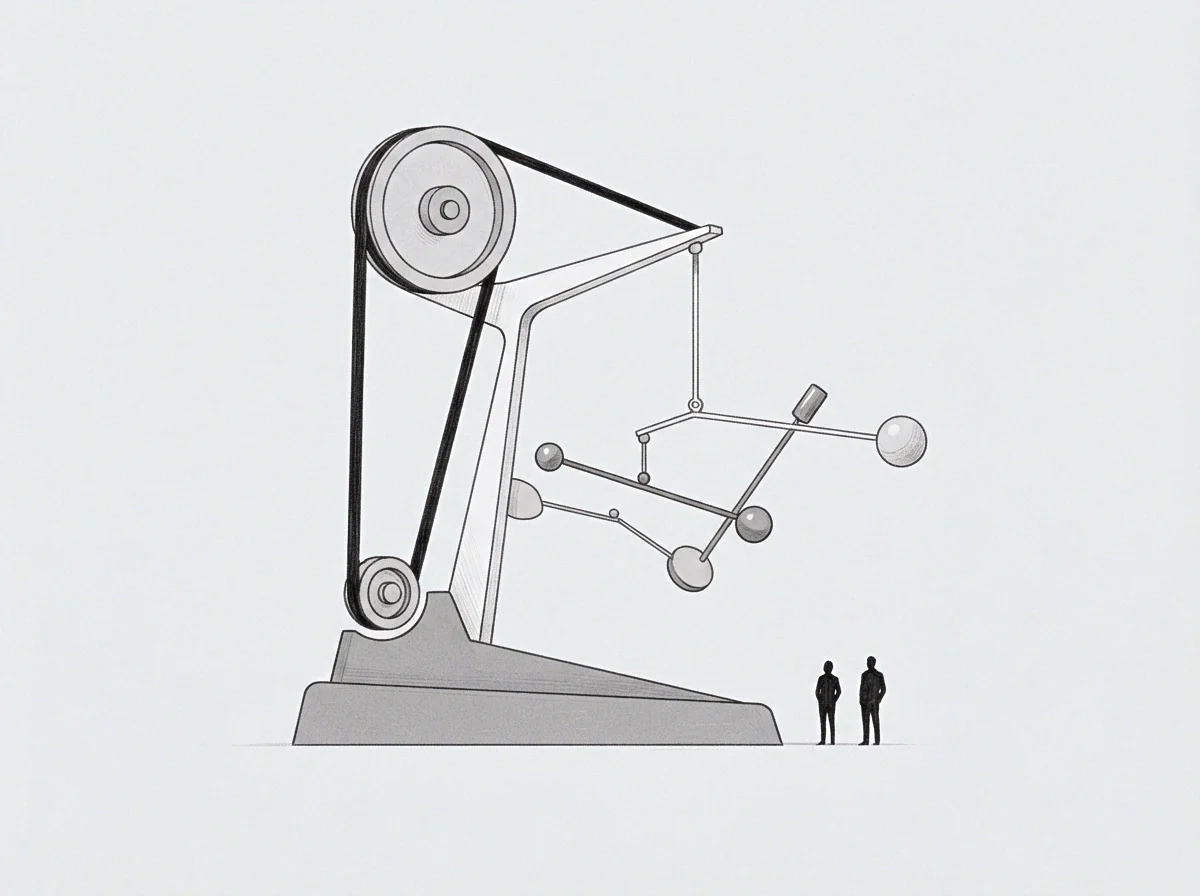
Load
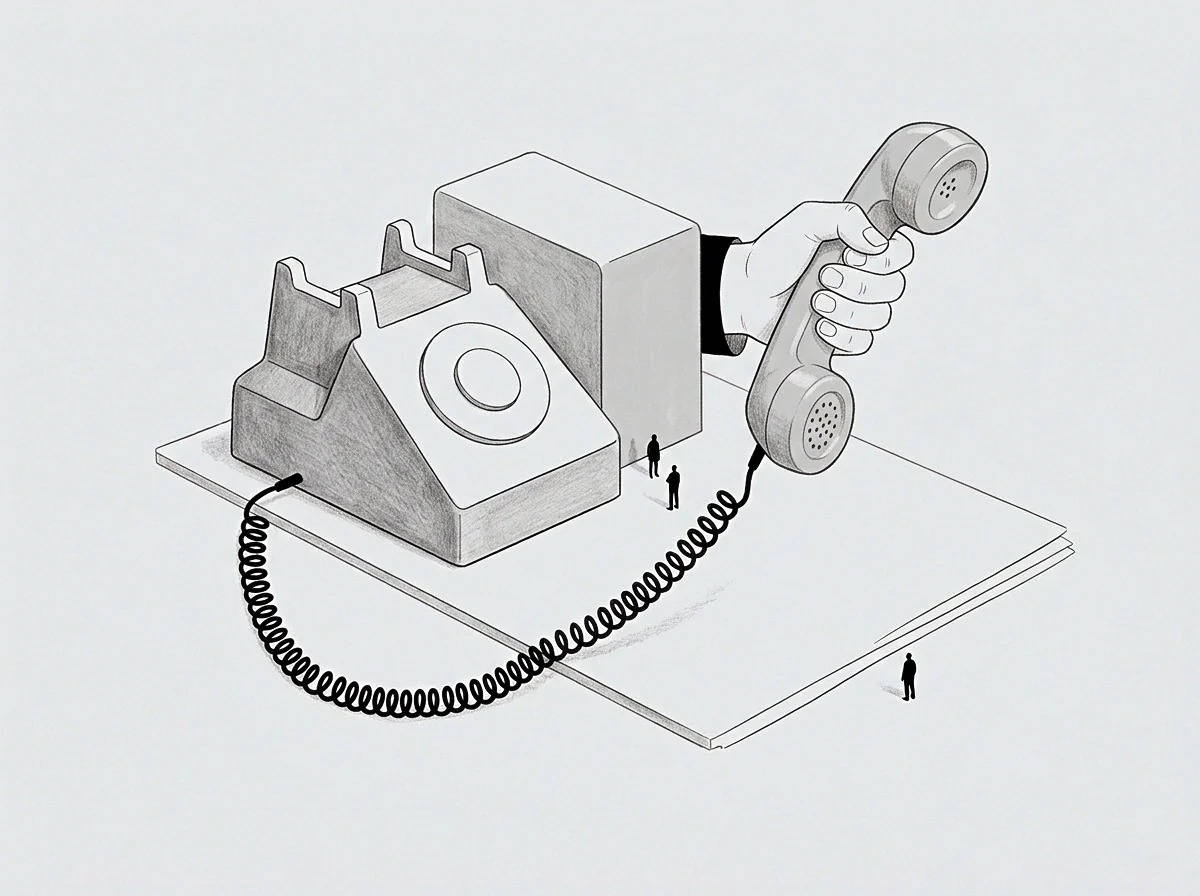
Production environments frequently run on personal intervention long after a company reaches commercial scale. Outage alerts route to a private chat channel, maintenance scripts execute from a founder’s laptop, and domain registrations sit on a personal credit card. Operations hold together because one person absorbs system friction through unlogged hours.
Once leadership transition begins, these informal arrangements register as operational vulnerabilities, since the outgoing builder carries core technical dependencies as daily habits rather than documented procedure.
Tacit infrastructure spans technical architecture, vendor relationships, and administrative workarounds. An undocumented script clears database locks at dawn, or a personal phone call to an executive at a payment processor clears held transactions. These arrangements bypassed standard procedures because early growth rewarded speed over documentation.
As a result, the enterprise operates with apparent stability while depending on unrecorded maintenance.
A system running on unrecorded intervention transfers operational instability directly to the incoming operator.
The outgoing executive typically holds three distinct roles at once: technical specialist, general administrator, and equity owner. Most succession plans address the equity and administrative titles but leave technical governance unexamined. Without structural mechanisms to decouple daily operations from individual identity, the company risks operational delays as soon as the predecessor leaves the day-to-day seat.

Undocumented Operational Infrastructure
Technical architecture in owner-led firms often relies on local workarounds that bypass formal documentation. Configuration variables sit in local text files, and root credentials remain tied to legacy hardware. When critical maintenance occurs without tickets or audit trails, an incoming chief executive inherits maintenance paths whose underlying triggers remain invisible to the replacement team.

The Latent Operating Debt
Informal operating practices build technical debt that standard financial audits miss. Vendor terms negotiated on personal relationships often carry pricing tiers unavailable to corporate successors. When contract renewals occur without the original founder’s direct involvement, pricing can adjust upward immediately, creating margin compression for incoming management.
Failing to address tacit infrastructure during transition leads to service interruptions, unexpected consulting fees, and administrative delays within the first quarter of new leadership.
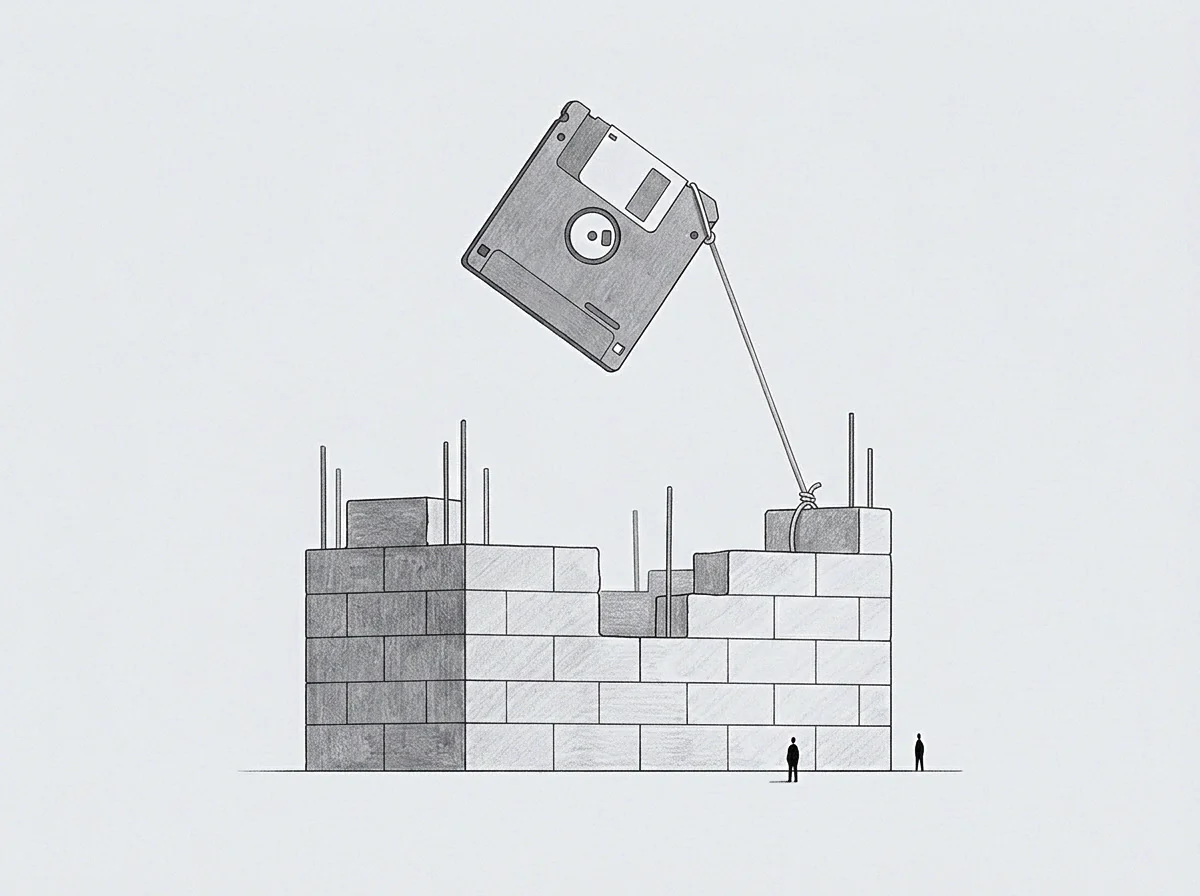
Wedge
Separating ownership governance from daily execution requires formal mechanisms that surface latent technical dependencies. A succession wedge introduces procedural checkpoints between the outgoing executive and routine systems administration. By setting operational boundaries before departure, the board requires unwritten routines to be documented into repeatable institutional workflows.
Technical transfer models rely on phased operational isolation. The predecessor relinquishes administrative credentials in structured stages while continuing in an advisory role. During this phase, internal staff handle all release cycles, vendor accounts, and urgent patches independently.
When a failure occurs, the incident highlights an undocumented dependency that can then be cataloged and resolved through standard engineering.
| Governance Model | Structural Mechanism | Operational Focus | Governance Risk Handled |
|---|---|---|---|
| Dual-Key Operational Mandate | Parallel administrative authorization across legacy and successor teams | Live deployment verification and infrastructure access control | Sudden credential revocation and administrative access loss |
| Escrowed Codification Covenant | Staged equity release contingent on comprehensive architecture audit | System runbooks, credential migration, and vendor assignments | Withholding of operational knowledge and legacy architectural debt |
| Shadow Operating Window | Complete operational quarantine of predecessor with real-time audit | Routine maintenance, incident escalation, and manual intervention | Hidden daily workarounds and undocumented administrative routines |
A dual-key operational mandate establishes joint authorization across production environments. Neither the predecessor nor the replacement team can ship infrastructure changes alone. This procedural checkpoint intentionally slows release frequency to capture system knowledge, ensuring manual database edits and configuration changes are recorded before deployment.
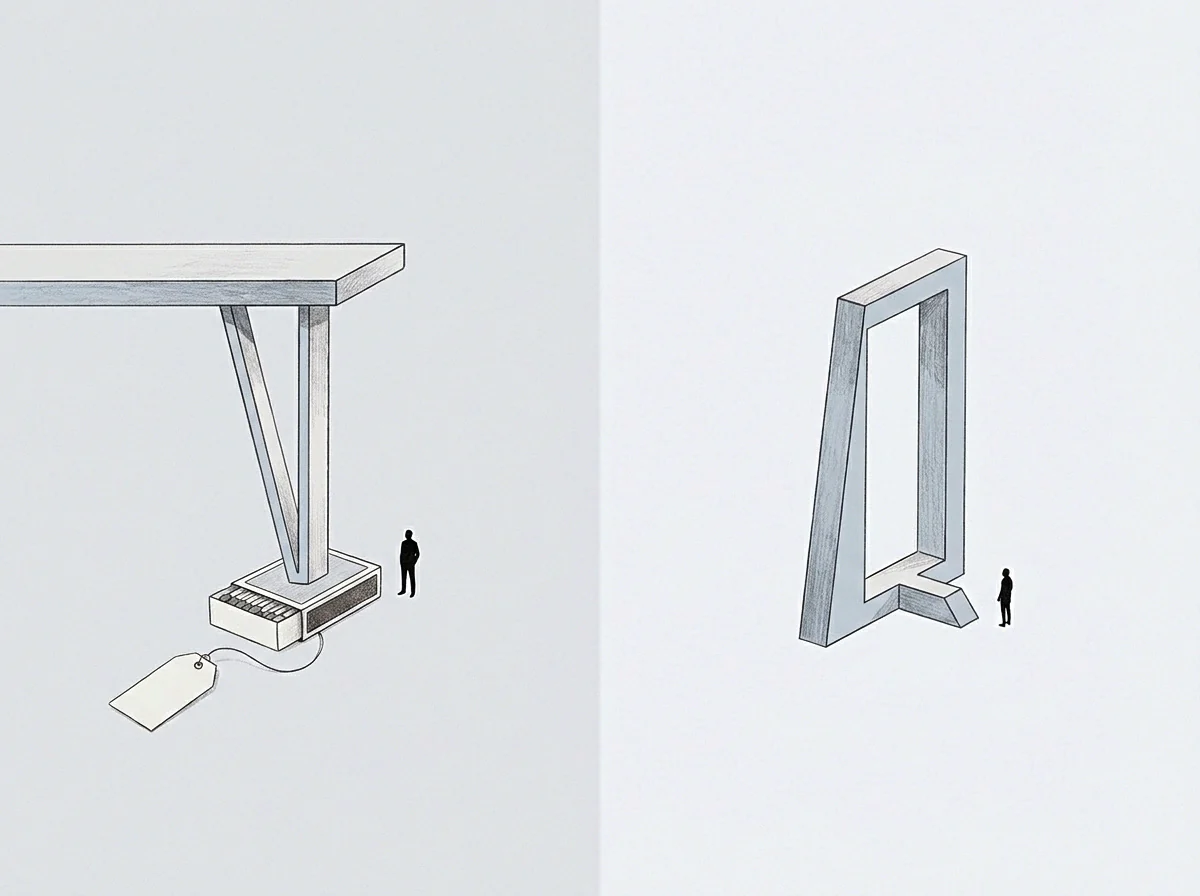
Separation of Operating Seats
Separating corporate governance from systems administration requires distinct agreements for each capacity the predecessor holds. A director on the board carries fiduciary duties, whereas a systems architect carries technical responsibilities. Bundling these functions into a general compensation package obscures direct accountability.
Establishing an independent scope of work for systems handover isolates operational tasks from board-level strategic oversight.
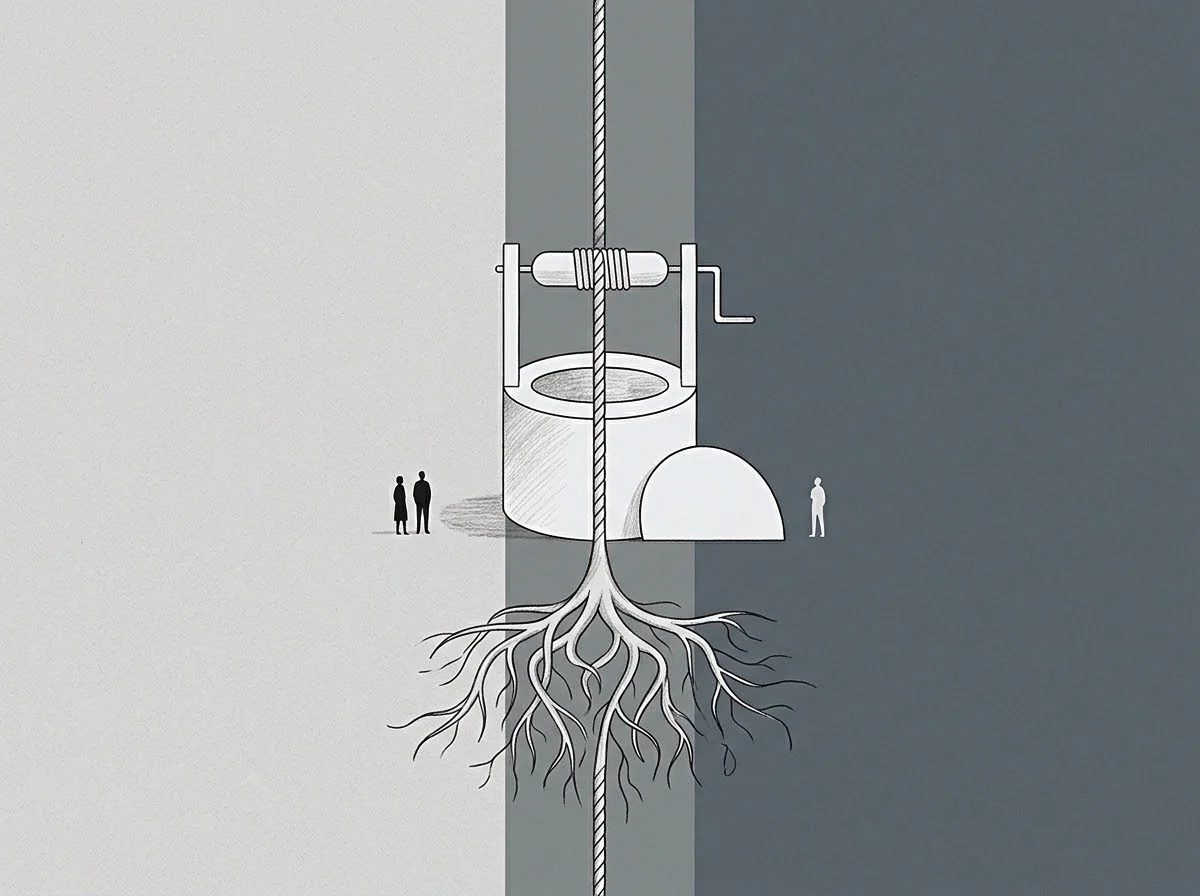
Structural Decoupling Instruments
Covenants attached to post-succession advisory agreements outline specific obligations for systems transfer. Equity vesting schedules or advisory retainers tie to verified technical handoffs rather than the passage of months. Verification requires external reviewers to rebuild the primary application environment entirely from internal runbooks, confirming that daily operations no longer depend on predecessor involvement.
The advisory agreement specifies that final equity vesting tranches release only upon verified independent deployment of core infrastructure by the permanent operating team.

Room
Physical presence and workspace access during an executive transition influence how quickly institutional knowledge transfers. Proximity allows legacy habits to continue through unrecorded verbal directions instead of written processes. If the outgoing executive attends regular sprint and status meetings, staff naturally continue escalating technical exceptions to them rather than relying on replacement managers.
Digital environments require similar boundaries. Shared channels, administrative consoles, and root access permissions need systematic restructuring. When an outgoing founder stays in daily operational chat channels, team members frequently bypass established escalation paths.
Restricting predecessor communication to dedicated board and advisory channels preserves strategic input without disrupting operational autonomy.
A governance model establishes operational resilience only when incoming personnel execute critical deployments without informal predecessor assistance.
Transferring technical credentials forms the base of operational independence. Domain registries, software subscriptions, and cloud hosting accounts must move from personal logins to corporate accounts. This process includes updating legal entity verifications, transferring billing profiles to company banking lines, and deploying centralized identity management to remove single-person points of failure.
Access Architecture and Credential Migration
Access audits trace every operational service tied to personal email addresses. The transition protocol requires migrating these tools to enterprise identity providers. Infrastructure asset transfer proceeds across five distinct stages to preserve continuity:
- Identity Inventory Execution catalogs all third-party software accounts, external hosting providers, domain registries, and vendor relationships linked to individual contact addresses.
- Corporate Credential Provisioning replaces personal logins with enterprise single sign-on access managed exclusively by the designated IT governance team.
- Financial Billing Reassignment transfers recurring payment authorizations from personal credit lines to verified corporate treasury accounts with dual authorization controls.
- Access Revocation Protocol removes legacy administrator accounts from all production environments, code repositories, and communication platforms simultaneously.
Information Asymmetry at the Table
Board oversight weakens when an outgoing executive holds operational details unknown to independent directors. This knowledge gap complicates any objective assessment of handover risks. Independent technical audits conducted by third-party engineering evaluators provide the board with an unvarnished review of system documentation and operational readiness.
The company cannot function without direct access to the legacy architecture notes currently stored outside corporate repositories.
Trace
Auditing tacit operational dependencies requires continuous observation of technical exceptions. When an automated build breaks and demands manual correction, the failure highlights an undocumented process. Tracking these occurrences provides an empirical log of the unrecorded maintenance historically handled by the outgoing builder, detailing the frequency, severity, and resolution steps for every manual intervention.
Operational tracing applies equally to administrative workflows. Payroll exceptions, bespoke invoicing rules, and non-standard contract amendments frequently exist only in predecessor memory. Recording operational exceptions over a ninety-day observation window gives the management team a practical map of undocumented administrative processes.
Operational dependencies remain entirely invisible until formal policy prohibits informal intervention by legacy personnel.
Documenting these friction points allows the team to compile operational runbooks. A functional runbook outlines the specific steps required to resolve technical and procedural failures without founder escalation. Incoming engineers test these procedures in simulated outage drills to confirm operational readiness before the predecessor steps away permanently.
Auditing Tacit Operational Dependencies
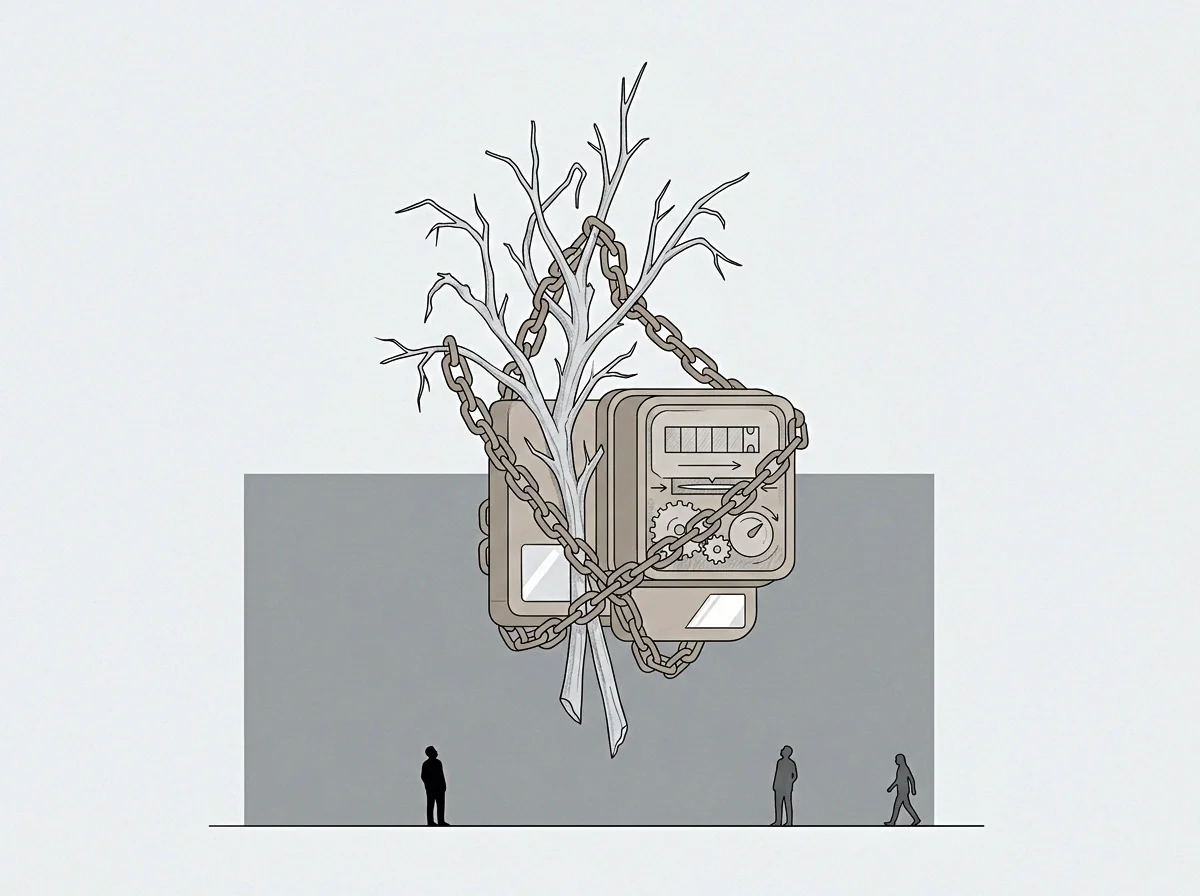
A systematic audit of internal communications highlights informal operational paths. Ticketing systems, source control commits, and vendor receipts contain records of manual fixes that bypassed standard logging. Structured audit methodologies surface hidden organizational habits through targeted evaluation:
- Escalation Path Analysis identifies recurring technical problems that bypass formal support channels and route directly to predecessor communication lines.
- Commit Log Inspection isolates code modifications executed directly on production servers without peer review or automated testing pipeline validation.
- Vendor Relationship Mapping documents unrecorded commercial concessions, verbal service level agreements, and informal billing reconciliations with critical suppliers.
Quantifying the Invisible Workload
Auditing how an outgoing leader spends time establishes a clear baseline for subsequent hiring. Logging daily tasks across specific operational categories separates executive oversight from hands-on maintenance. If an audit reveals forty weekly hours directed toward routine infrastructure maintenance, the board can budget for dedicated technical staff rather than expecting an incoming executive to absorb that work.
Documentation quality equals operational longevity when legacy leadership departs the organization permanently.

Charter
A primary governance instrument for resolving unrecorded dependencies is the executive succession charter. This document establishes the technical, operational, and legal milestones required for full executive transition. Unlike standard separation agreements, the succession charter connects operational performance benchmarks directly to equity vesting and payment milestones, anchoring the transition in measurable organizational independence.
Succession charters define where advisory guidance ends and operational overreach begins. The outgoing leader commits to scheduled availability, formal communication channels, and specific system transfer deliverables. Clear terms remove ambiguity over operational authority, allowing replacement executives to run infrastructure without ongoing deference to prior leadership.
A succession agreement that separates technical handover from equity compensation creates misaligned incentives between legacy and successor management.
Equity distribution structures should reflect operational continuity. When post-transition system outages stem directly from undocumented changes or unrecorded liabilities, the charter provides structural mechanisms for recourse. Holdbacks, extended escrow periods, and conditions on board participation protect the firm against undisclosed technical debt.
Succession Charters and Release Covenants
Succession covenants require concrete operational criteria rather than broad promises of transition support. Charters incorporate measurable milestones, including runbook validation, complete credential migration, and independent technical audit sign-offs, as prerequisites for releasing deferred compensation or equity tranches.
Equity Governance After Operational Exit
Transitioning an outgoing founder into a shareholder role changes corporate governance dynamics. Shareholder rights need clear separation from executive oversight so that ownership does not interfere with day-to-day management. Through structured board governance and formal voting arrangements, the company protects the operating authority of incoming executives while honoring the legal interests of equity holders.
How an enterprise structures the financial recovery of legacy operational failures when uncodified technical dependencies surface years after complete equity vesting remains an open challenge in corporate governance design.