
Structuring Technical Leadership Seats To Prevent Corporate Risk Blindness
Decoupling engineering delivery incentives from technical risk oversight through direct board audit reporting eliminates systemic corporate risk blindness.
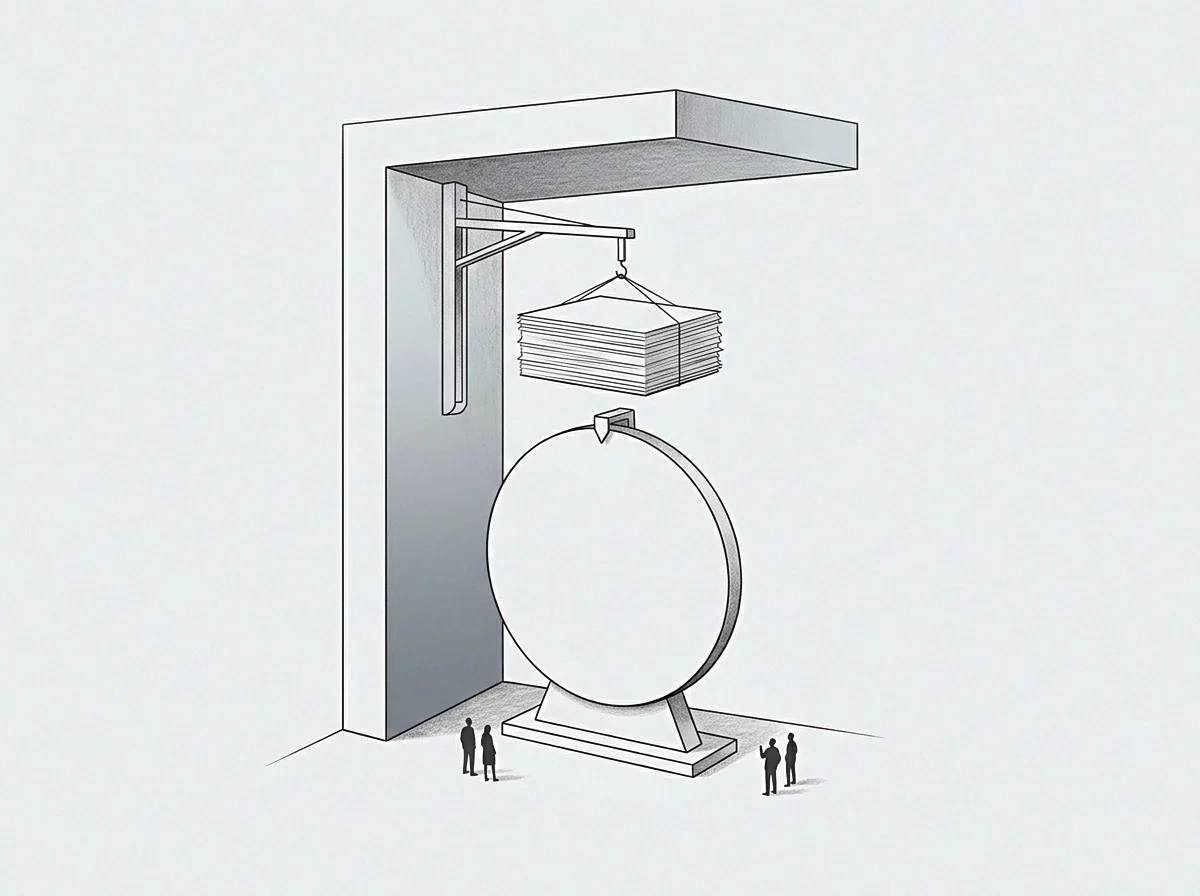
Desk
Two distinct operational concerns occupy the executive technical sphere, though corporate structures routinely merge them into a single appointment. The first concern is feature delivery cadence, which measures developer velocity, deployment schedules, and commercial release commitments. The second concern is structural risk governance, which monitors architecture degradation, dependency vulnerabilities, systemic fragility, and technical insolvency.
When an enterprise assigns both obligations to an engineering executive whose compensation tracks product release targets, risk governance disappears from board deliberations.
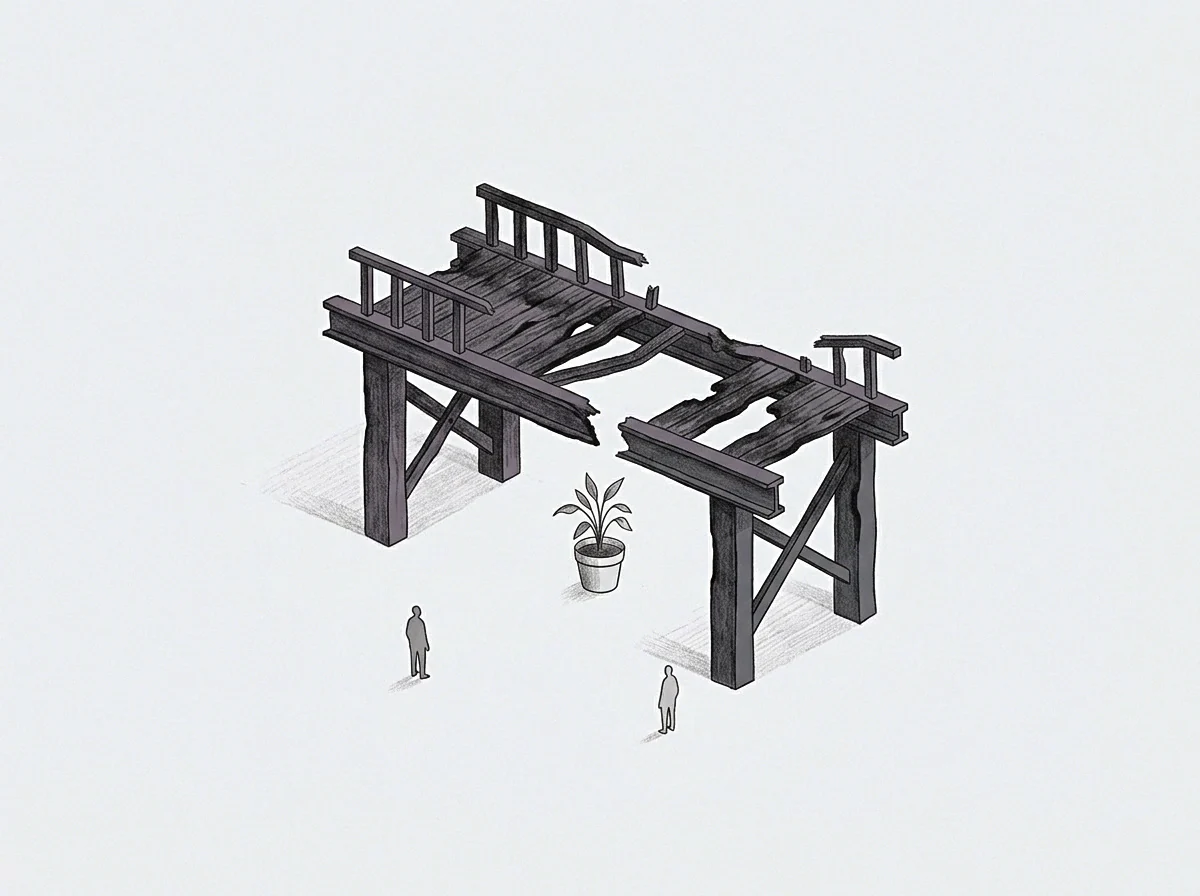
Separation Of Delivery From Exposure
Product delivery generates immediate commercial value that executive committees recognize without technical translation. Architecture maintenance operates as an unmeasured preservation effort against future failure states. When market pressures accelerate, leadership naturally prioritizes tangible feature progress over the containment of unseen systemic hazards.
Technical oversight falters whenever the seat charged with discovering hazards answers directly to the manager measured on release speed.
Technical debt collects interest daily. In early company stages, a founding engineer carries the system design entirely within unwritten memory. That engineer arbitrates tradeoffs between speed and structural durability through personal intuition.
As headcounts expand, this unwritten arbitration fails to convey accumulating hazards to non-technical directors.
The seat governs exposure. When the engineering head sits exclusively beneath the chief operating officer or chief executive, the board receives heavily edited technical briefings. Reports emphasize quarterly roadmap completion while omitting the mounting liabilities inside the application database, cloud provisioning budgets, and cryptographic controls.
The corporate balance sheet reflects capitalized software assets, yet it records zero reserve liabilities for aging infrastructure that threatens operational continuity.
The software functions adequately today, making defensive expenditure an unnecessary drag on quarterly margin.
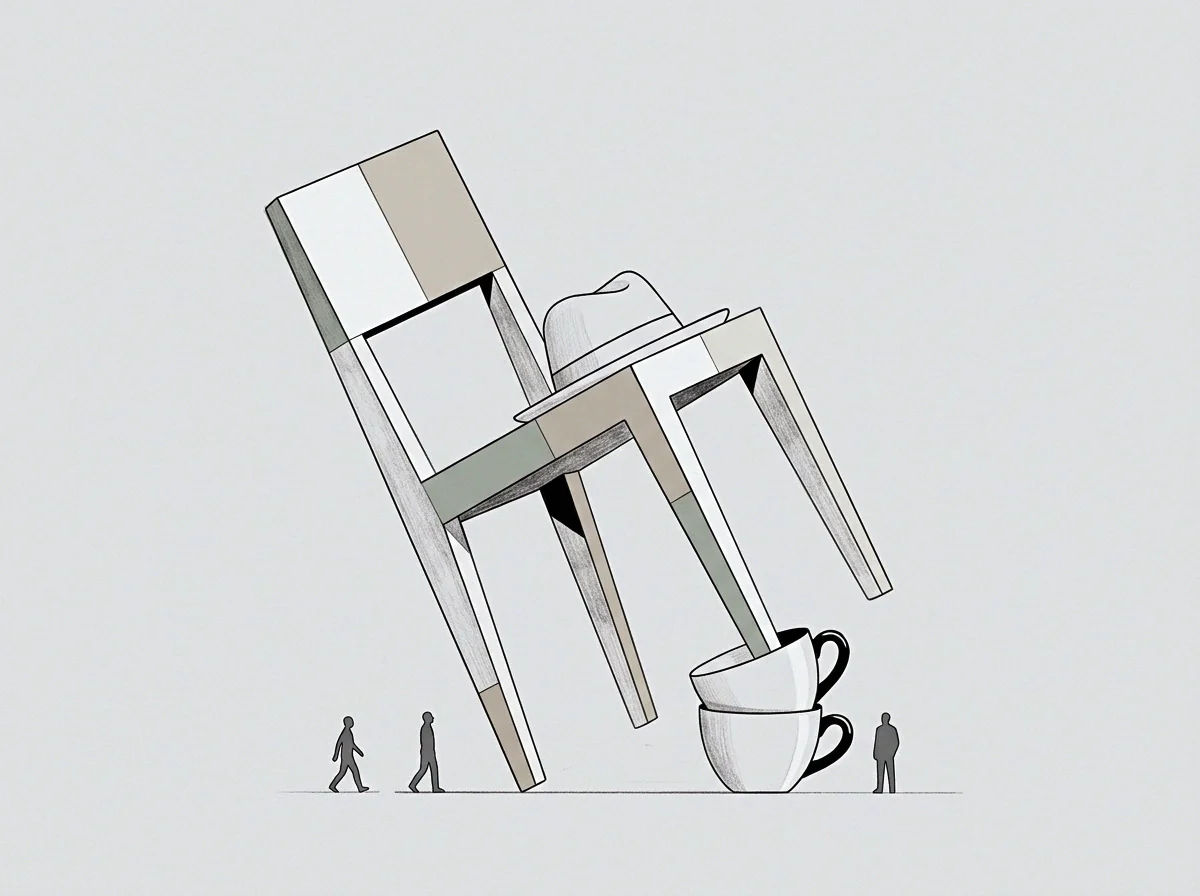
Channel
Executive information filtering dilutes operational warnings as they move upward through traditional corporate layers. Field technicians routinely observe architectural stress months before an outage halts commercial operations. They note fragile database failovers, deprecated libraries, unpatched network perimeters, and undocumented internal dependencies.
Because intermediate managers face strict quotas on feature throughput, engineering warnings undergo systematic sanitization before reaching executive committees.
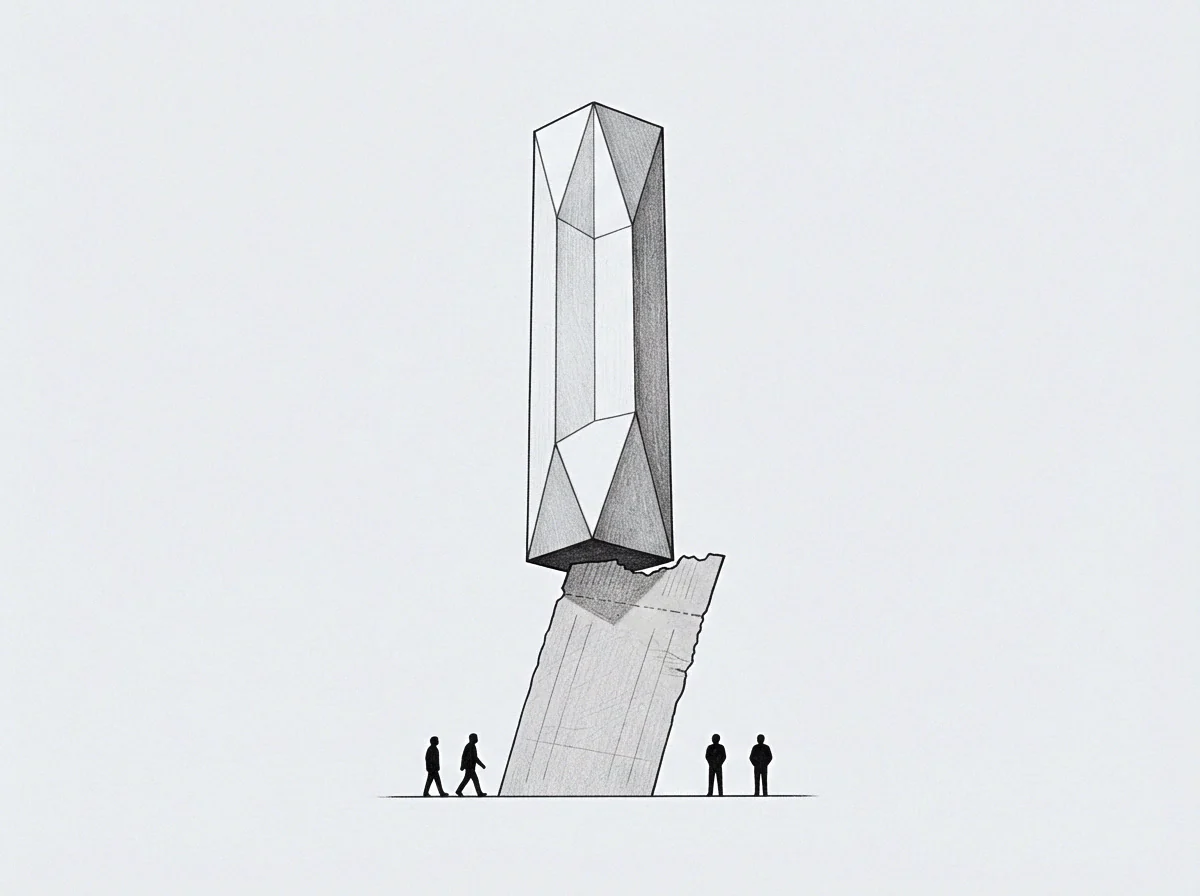
Fiduciary Silence In Executive Reporting
Mid-level managers translate severe infrastructural defects into polite progress updates. A catastrophic dependency vulnerability becomes an ongoing maintenance backlog task. An unstable persistence cluster becomes a future scalability milestone.
By the time technical risk reaches executive directors, board packages present structural decay as manageable operational work.
The signal fades. Information loss follows a predictable hierarchy of suppression across corporate reporting lines:
- Upward Metric Translation strips operational context from defect logs, reducing hazardous stability incidents to average uptime percentages that mask recurring localized outages.
- Commercial Priority Compression forces engineering leads to reallocate preventative maintenance hours toward uncommitted sales promises, deferring system hardening indefinitely.
- Operational Isolation prevents security and infrastructure directors from addressing the board audit committee directly without intermediate commercial filtering.
Boards rarely inspect repositories. Directors depend entirely on executive interpretation to evaluate technical solvency. When corporate leadership lacks independent channels for technical inquiry, risk blindness becomes institutionalized.
Systemic infrastructure hazards remain invisible to corporate directors until external security breaches or total service outages force operational discovery.
Velocity masks underlying decay. Corporate boards maintain specialized subcommittees to scrutinize financial audit procedures, executive compensation packages, and legal liabilities. Yet few boards maintain equivalent independent mechanisms to evaluate engineering integrity.
This absence exposes the enterprise to silent balance-sheet erosion through unmanaged system decay.
Whether executive committees possess the structural will to penalize delivery leaders for hidden architecture degradation remains an open institutional problem.
Table
Organizational design requires distinct seats with decoupled incentives to protect corporate oversight from operational bias. Dividing execution responsibility from risk governance prevents product speed from suppressing systemic stability requirements. When companies isolate delivery management from technical risk surveillance, both functions operate with verifiable clarity.

Structural Demarcation Of Technical Authority
Code outlives the author. Engineering roles must balance commercial momentum with protective boundaries to safeguard capital assets over multi-year horizons.
| Seat Title | Direct Accountability | Incentive Structure | Governance Authority | Vulnerability To Blindness |
|---|---|---|---|---|
| Vice President of Engineering | Chief Operating Officer | Sprint velocity, roadmap delivery, team headcount growth | Resource allocation, operational delivery process | High bias toward concealing architectural debt to meet delivery deadlines |
| Chief Technology Officer | Chief Executive Officer and Board | System longevity, platform resilience, strategic architecture | Capital expenditure, technology selection, architectural standards | Moderate bias driven by corporate strategic objectives |
| Chief Information Security Officer | Board Audit Committee | Threat containment, compliance adherence, data integrity | Unilateral production halt, mandatory security remediation | Low bias due to decoupled operational reporting incentives |
| Technical Fellow | Chief Technology Officer | Domain durability, technical patent assets, systemic safety | Veto authority over hazardous structural compromises | Low bias, isolated from direct commercial delivery quotas |
Downtime accumulates quietly. Separation between operational engineering leadership and independent technical oversight establishes an internal tension. This structural opposition ensures that technical liabilities receive formal balance-sheet recognition rather than informal managerial dismissal.
Direct executive accountability to board audit committees preserves technical integrity against short-term commercial delivery quotas.
Delivery metrics reward concealment. When engineering leaders face evaluation solely on product releases, defensive maintenance feels like an uncompensated tax on their career advancement. Aligning seat incentives with long-term asset preservation ensures that technical safety surfaces before structural failures occur.
Technical leaders who answer exclusively to revenue officers eventually treat infrastructure safety as discretionary overhead.
Mandate
Independent oversight requires explicit corporate charter provisions to function during high-pressure operating cycles. Without formal documentation defining reporting pathways, technical leaders face career retaliation whenever they challenge product release deadlines. A written governance charter converts preventative technical warnings from discretionary friction into a binding corporate protocol.

Constitutional Rights Inside Corporate Charters
The contract sets authority. Corporate governance structures must grant defensive technical officers the legal autonomy necessary to surface systemic liabilities directly to audit directors without chief executive filtering.
- Unilateral Halt Authority permits the principal risk officer to suspend software releases that fail baseline security, resilience, or compliance thresholds.
- Direct Audit Access grants technical leaders unmediated, quarterly executive sessions with the board audit committee to review systemic liabilities.
- Independent Debt Ledger mandates the formal balance-sheet disclosure of deferred maintenance, depreciated dependencies, and estimated remediation hours.
Inspection demands technical literacy. Board audit committees often lack the operational domain knowledge required to interrogate modern cloud infrastructure, cryptographic standards, or distributed database liabilities. Establishing an external technical advisory board provides directors with the independent analytical capability needed to verify internal engineering audits.
Formalizing a structural halt mechanism guarantees that operational stability takes precedence over quarterly delivery commitments.
Schedules hide technical rot. An explicit charter alters executive behavior by establishing documented personal liability for unaddressed infrastructural risks. When engineering leaders hold designated seats focused entirely on resilience, technical risk blindness gives way to systematic risk mitigation.
A documented clause granting the technical executive direct unmediated access to the board audit committee transforms defensive risk reporting from an act of insubordination into a legal duty.

Brake
Execution of defensive authority tests whether corporate governance structures survive commercial strain. When a technical officer triggers a production halt, immediate revenue loss collides directly with abstract future risk mitigation. Under this pressure, commercial operators routinely attempt to override architectural safety margins to fulfill existing vendor contracts.
Execution Of Technical Halting Rights
Latency compounds across layers. Overriding technical safeguards produces immediate commercial relief, but it introduces unmeasured catastrophic risk into production infrastructure. The short-term savings achieved by skipping essential architectural upgrades fade rapidly when unpatched security vulnerabilities lead to massive data exfiltration or catastrophic operational failure.
Risk compounds under silence. Boards that establish technical halting authority must preserve the independence of the seat that exercises it. If an engineering executive risks termination for protecting the integrity of corporate databases or consumer security perimeters, the governance framework collapses into empty theater.
Silence carries a price. True enterprise resilience requires technical risk governance to possess teeth. That power manifests as the institutional capacity to absorb deliberate commercial delays today to protect the balance sheet from catastrophic existential liabilities tomorrow.
Organizations that suppress operational warnings eventually expend their entire liquid reserves remediating catastrophic infrastructure collapse under public scrutiny.