Meaning
Systemic organizational endurance measures an enterprise’s capacity to maintain core workflows, service delivery and commercial stability despite unexpected disruptions or leadership departures. High operational resilience guarantees that client commitments, revenue cycles and technical infrastructure run independently of any single individual’s active presence. It defines institutional robustness through documented processes, distributed authority and redundant operational systems.
The framework stops applying to macroeconomic collapse, catastrophic regulatory prohibitions or broad market obsolescence.
Buffer Mechanism
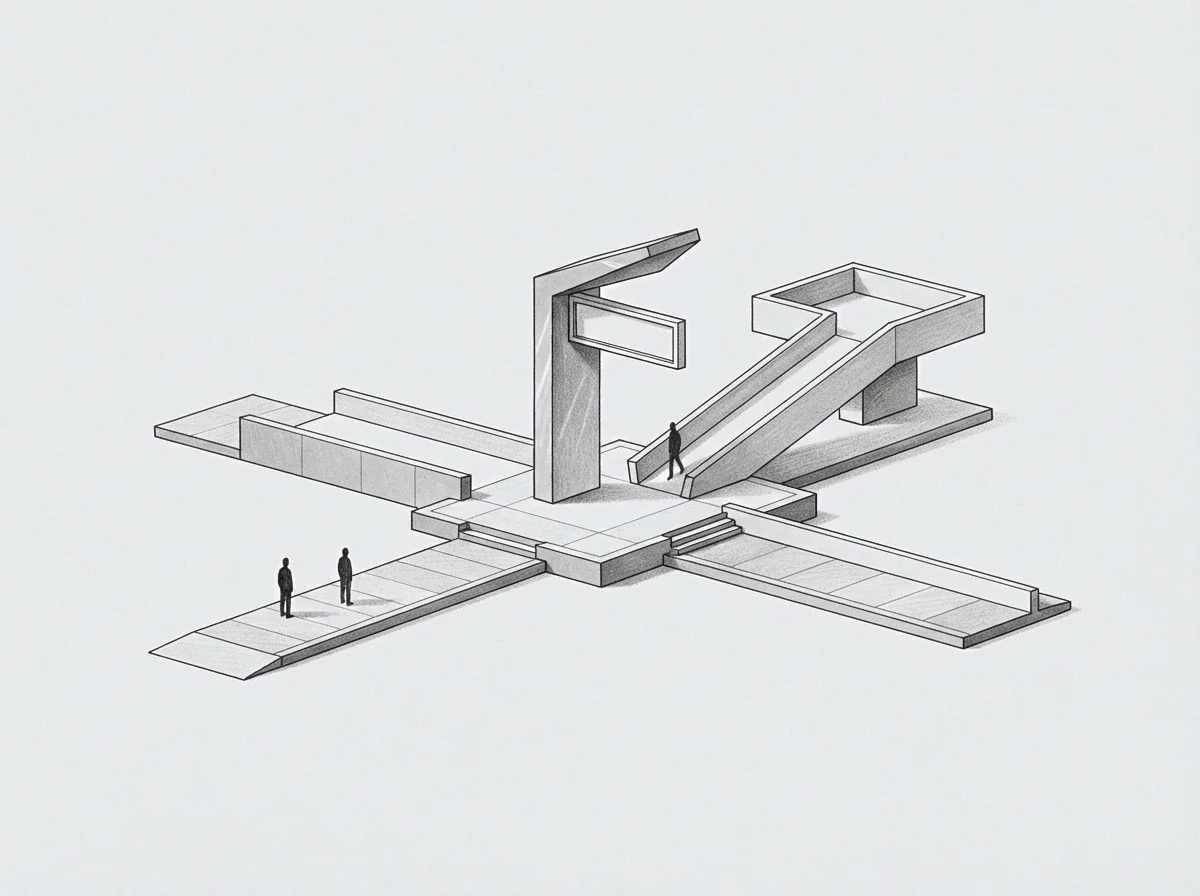
Robust operational infrastructure relies on documented standard procedures, cross-trained personnel and automated technical failovers across all departments. Organizations build resilience by eliminating single points of failure within executive leadership, engineering pipelines and key client relationships. Operating units maintain redundant capabilities so that sudden departures do not interrupt routine business operations.
Institutionalized workflows replace reliance on individual heroics with predictable process execution.
Vulnerability Stress
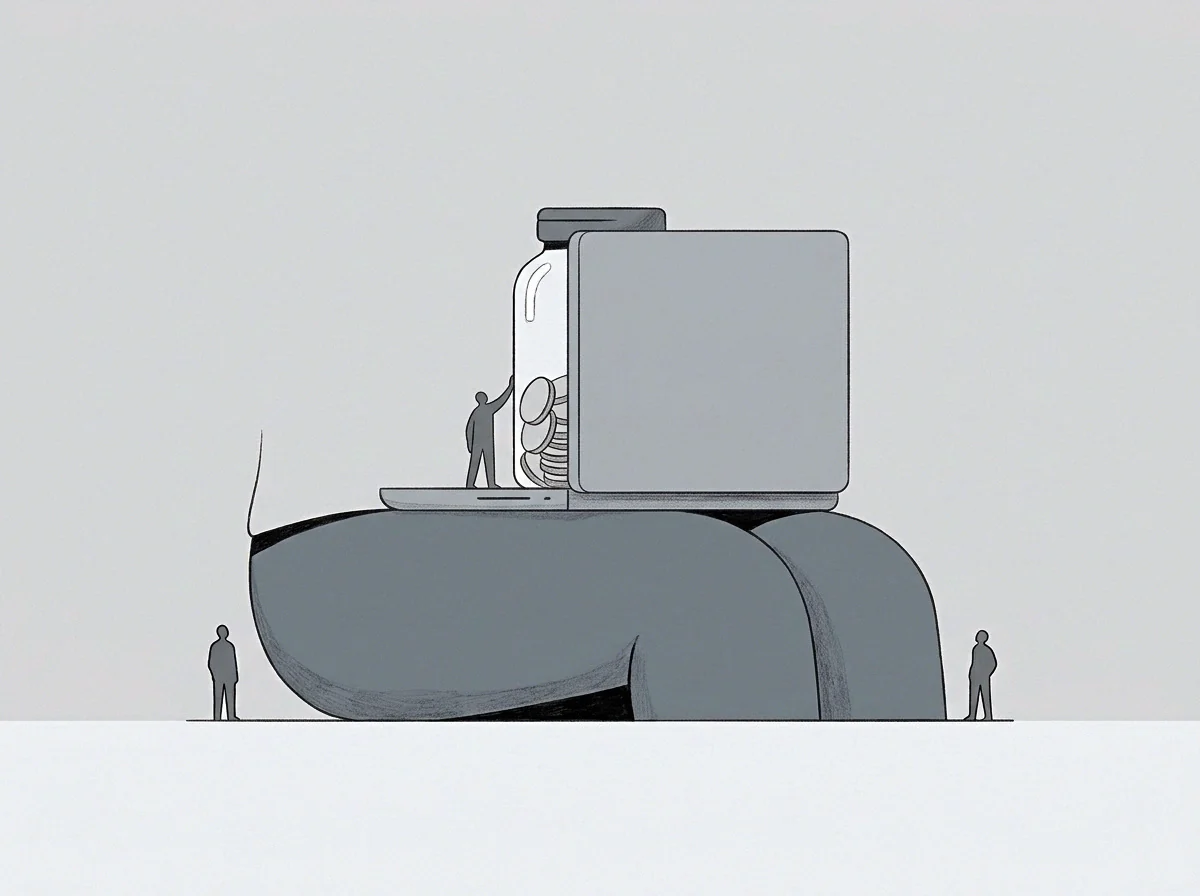
Fragile organizations experience severe operational instability, delivery failures and commercial panic whenever a key founder steps away. Without resilient operational infrastructure, minor tactical hiccups escalate into existential crises requiring emergency executive interventions. Teams operate in a state of chronic stress, constantly reacting to preventable operational emergencies and ambiguous instructions.
The lack of operational buffers drains founder energy, making true strategic focus or leadership succession impossible.
Autonomy Ceiling
Enterprise scalability depends directly on establishing resilient, self-healing operational frameworks across every functional division. Automated monitoring, decentralized authority matrices and rigorous operational audits protect business operations against leadership turnover. The ultimate test of resilience occurs when an enterprise navigates peak operational seasons without executive escalation or founder intervention.
Operational independence marks the transition from a founder-dependent project to a durable corporate institution.