

Structural Contract Mechanisms For Protecting Strategic Time In Small Enterprises
Structural contract mechanisms protect strategic capacity in small firms by binding operating partners to explicit executive time covenants and delegation triggers.
Structural contract mechanisms protect strategic capacity in small firms by binding operating partners to explicit executive time covenants and delegation triggers.

Informal task absorption continuously degrades executive strategic capacity by consuming cognitive focus and shifting working hours into unassigned operational maintenance.

Multi-seat founder operators defend strategic capacity by establishing explicit role boundaries, mapping tacit work, and transferring tactical operational duties.
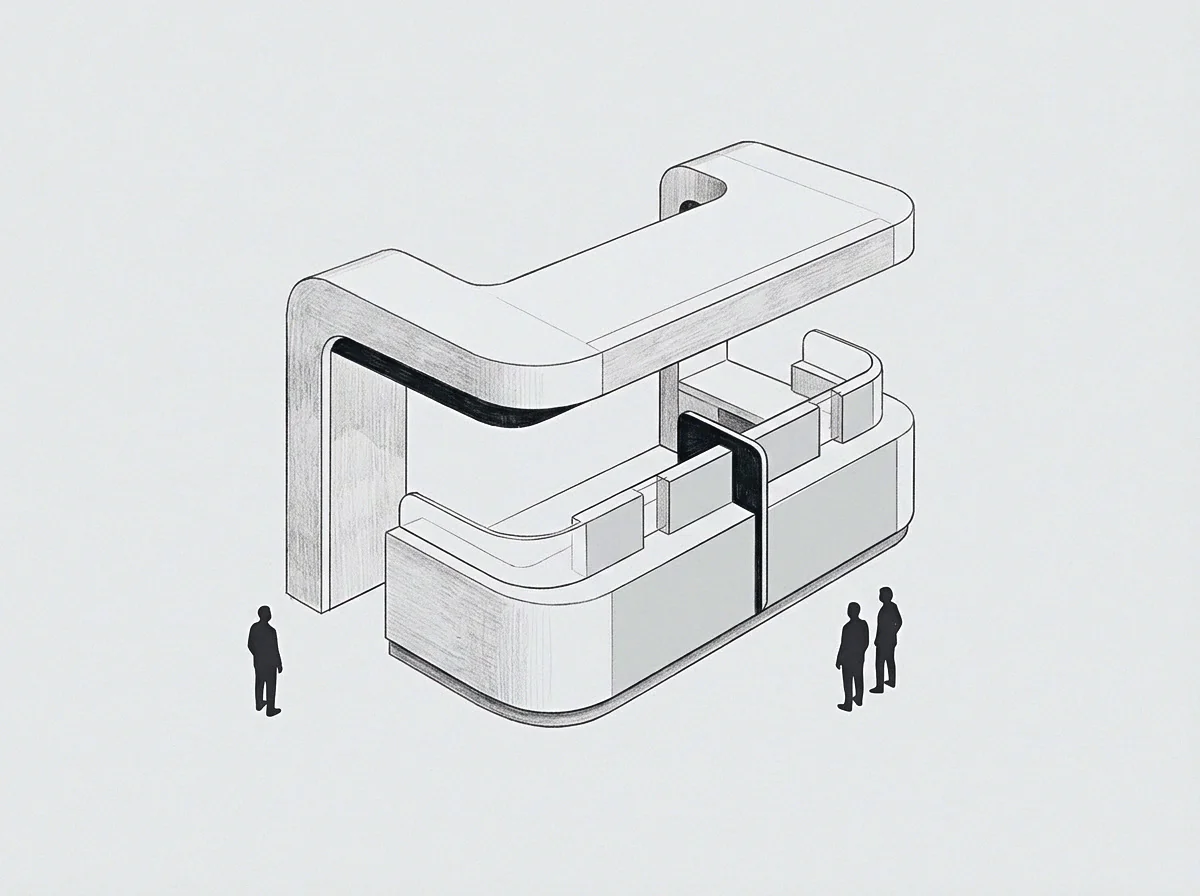
Contractual triggers automate executive seat unbundling during expansion by binding specific performance metrics to mandatory operational role transfers.

Separating technical work from management in small firms requires partitioning production craft from supervisory oversight into distinct calendar blocks and explicit roles.

Tacit knowledge deficits during founder transitions are resolved by converting mental context into explicit decision logs and revoking execution access.

Mapping functional roles separates bundled executive duties into distinct operational seats, eliminating candidate profile traps and securing continuity.

Succession succeeds when multi-role executive functions are unbundled into discrete positions before transferring authority to replacement leaders.
The terms are written where they belong. Each field holds three desks, and every entry a desk writes raises the terms it uses, each term given a meaning, a mechanism and the places it appears. The record on these pages stays first person and hand made; the fields grow the nomenclature.