
Transition Services Agreements To Eliminate Post Closing Officer Liability
Transition services agreements eliminate post closing officer liability by defining assistance as vendor work, waiving fiduciary duties, and capping seller claims.

Transfer
Fourteen days after the closing of a corporate acquisition, an executive signs vendor disbursements for the target company because the purchasing entity has not integrated bank accounts. That physical act of authorizing corporate funds re-establishes a direct legal connection to the sold entity. While the transaction agreement states that the executive resigned all officer positions at midnight on the closing date, corporate law evaluates operational authority based on actual practice rather than executed resignation letters.
Continuing to sign checks, approve payroll, or direct personnel places the individual directly back into the position of a corporate fiduciary.
Equity leaves the room. Authority remains attached to signatures. Corporate law reads actions directly.
Selling officers frequently assume that operational assistance provided to an acquirer during a handover window constitutes informal cooperation. When an uncontracted executive manages post-closing functions, third-party creditors, government agencies, and minority shareholders retain the legal right to sue that individual as a de facto officer. A Transition Services Agreement creates the contractual boundary required to sever personal governance risk while supplying necessary operational support.

Operational Continuity Without Corporate Office
Transaction closing transfers legal ownership of stock or assets while daily operating workflows remain tied to former signatories. The gap between corporate legal transfer and operational migration creates severe liability exposure for selling executives. Acquirers often lack immediate capacity to run specialized enterprise resource planning systems, treasury tools, or regulatory reporting workflows.
They request former executives to bridge the gap without formal documentation.
Fulfilling those requests through casual assistance exposes the individual to fiduciary claims. Should a financial irregularity or operational breach occur during the migration window, the buyer’s litigation counsel or external bankruptcy trustees can allege that the former officer breached the fiduciary duties of care and loyalty. Silence creates fiduciary risk.
Without a dedicated agreement defining the exact capacity of the service provider, post-closing assistance is legally categorized as a continuation of corporate officer service.

De Facto Officer Status Post Transaction
Courts evaluate executive liability based on function rather than formal corporate titles. If a former officer exercises discretionary control over business assets, gives binding directives to employees, or represents the target company to vendors after closing, legal systems treat that person as an active officer. Title matters less than action.
This legal doctrine applies regardless of executed resignation forms or stated intentions to help the buyer.
Establishing clear operational boundaries protects departing leadership. A structured Transition Services Agreement explicitly states that all post-closing activities are performed exclusively in the capacity of an independent third-party contractor. The agreement revokes all prior corporate officer authority, invalidates existing treasury signing rights, and assigns ultimate decision-making power strictly to named representatives of the buyer.
The buyer expected full operational support through the treasury migration, claiming the former executive remained responsible for disbursement errors until bank authorizations were formally transferred in writing.

Bench
The operational capacity assigned to support an acquiring entity dictates whether a departing executive functions as a third-party contractor or retains officer duties. Capacity governs legal duty. When an individual steps down from the board and executive office, any continued physical presence at target company facilities must be strictly regulated.
Informal presence invites corporate liabilities ranging from employment litigation to commercial contract disputes.
Organizational behavior research demonstrates that role transition friction occurs when former authority figures remain in physical or digital workspaces without explicit functional redefinition. Employees naturally escalate operational decisions to familiar executives, and former executives naturally answer them. Every operational directive given by a former officer post-closing serves as evidence of retained corporate management, destroying the liability shield intended by the acquisition contract.
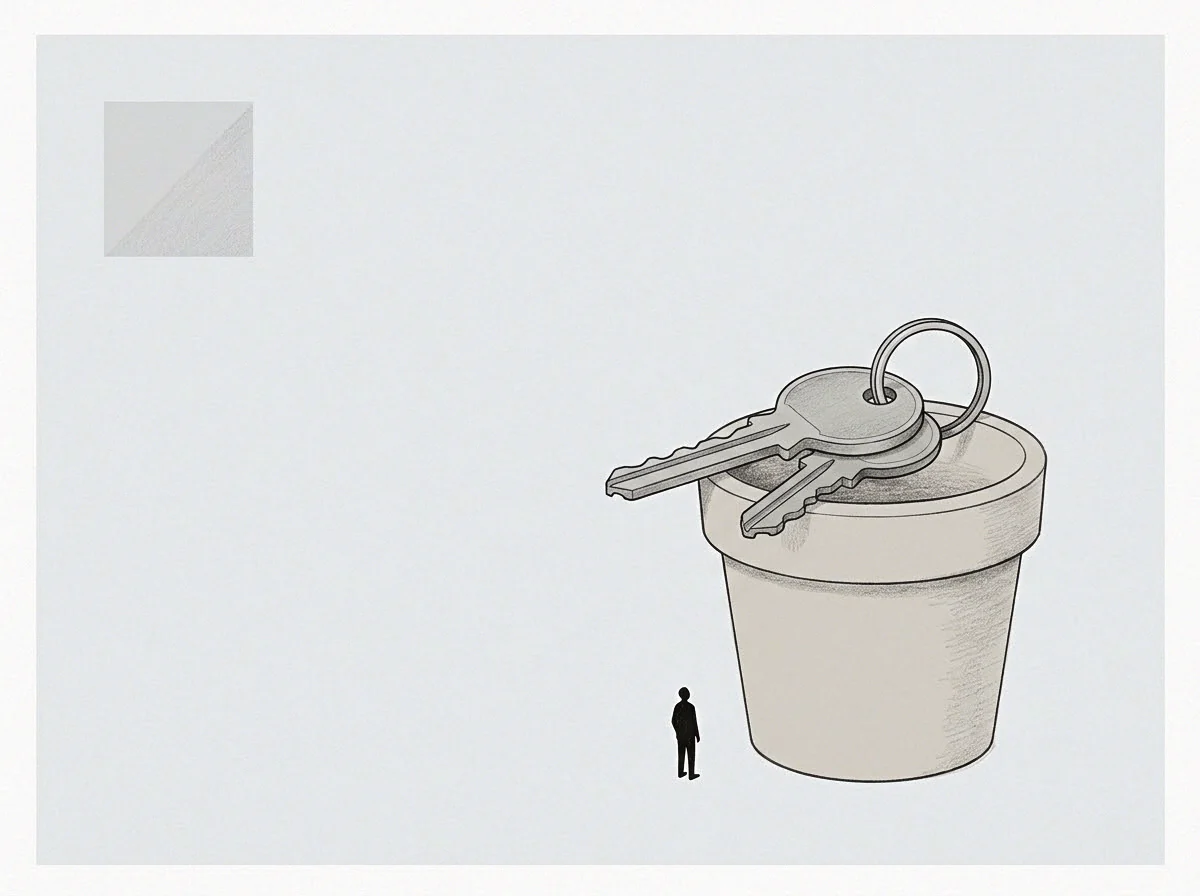
When Does Operational Support Reattach Legal Duty?
Informal assistance granted after closing creates a legal ambiguity that plaintiff attorneys exploit during governance disputes. When a former officer assists with customer retention, vendor re-negotiations, or software migration without a formal contract, courts examine whether the individual exercised independent managerial discretion. If discretionary control is present, full fiduciary standards attach to every action taken.
Delaware chancery court precedents regarding corporate officer liability confirm that de facto officer status is established whenever an individual exercises control over corporate bank accounts, directs litigation strategy, or negotiates binding commercial contracts. These findings rest on empirical analyses of post-merger dispute records where former executives were held personally liable for post-closing operational oversight. The legal presumption of officer status is overcome only when documented evidence proves that the individual acted solely under the direct, written instruction of the new corporate board.

Capacity Separation Between Contractor And Executive
A Transition Services Agreement creates an explicit structural wall between corporate officer capacity and independent contractor capacity. Vendor status alters legal risk. By defining the selling executive as an external vendor providing limited services, the contractual framework shifts the legal standard from broad fiduciary obligations to standard commercial contract law.
- Treasury Authorization Mandate requires all payment approvals to be executed by the buyer’s designated officers, stripping the service provider of independent disbursement powers.
- Written Instruction Requirement stipulates that the service provider executes tasks only upon receiving written work orders from active management.
- Public Representative Prohibition explicitly bans the former executive from holding themselves out as an agent, officer, or authorized voice of the target entity.
- Information Access Limit restricts the service provider’s access to enterprise data networks strictly to records required for defined technical integration tasks.
A Transition Services Agreement converts operational activity into contractor deliverables only when the contract explicitly disclaims corporate officer capacity and revokes internal approval rights.
Separating advisory technical execution from corporate governance decisions protects the seller’s personal asset base. When the buyer retains sole authority to accept or reject technical advice, any operational fallout resulting from implemented instructions belongs legally to the acquiring board. Performing uncontracted operational tasks post closing converts clean equity exit payouts into personal funds subject to corporate indemnification claims.

Indemnity
Contractual liability allocation within corporate acquisitions demands precise alignment between sale purchase agreements, service schedules, and insurance policies. Exculpation caps total financial loss. Leaving post-closing services uncoordinated with Directors and Officers (D&O) tail policies exposes former executives to uninsured litigation claims.
A robust Transition Services Agreement establishes an independent exculpatory framework that operates alongside existing indemnification provisions.

Exculpation Architecture In Transaction Schedules
Drafting effective post closing service contracts demands express waivers of fiduciary obligations for all personnel providing transitional assistance. The agreement must explicitly state that the service provider bears no fiduciary duty to the target entity, the buyer, or their respective shareholders. Standard commercial negligence standards replace corporate governance standards.
Legal enforceability of gross negligence waivers under state public policy varies across jurisdictions, creating a structural uncertainty that cannot be fully resolved at the time of contract execution. Courts in several major commercial jurisdictions routinely strike down broad exculpation terms that attempt to insulate service providers from their own gross negligence or willful misconduct. To operate effectively under this legal uncertainty, prudent transactional attorneys structure the agreement to waive ordinary negligence entirely while pairing that waiver with mandatory buyer indemnification obligations for any third-party claims arising from the transition work.
| Support Structure | Fiduciary Standard Retained | Liability Allocation Mechanism | D&O Tail Policy Coverage Alignment |
|---|---|---|---|
| Informal Handover Support | Full Fiduciary Duty (De Facto Officer) | Personal exposure; unlimited joint liability | High risk of claim denial due to post-closing acts |
| Generic Consulting Agreement | Ordinary Commercial Duty of Care | Standard breach of contract liabilities | No coverage for consulting services rendered |
| Formal Exculpatory TSA | Fiduciary Duty Fully Waived | Liability capped at service fees received | Explicit integration with D&O tail liability terms |

Tail Insurance Interlocking With Service Terms
Directors and officers liability coverage purchased for historical acts does not automatically extend to new management services rendered post transaction. Tail policies cover wrongful acts committed prior to the transaction closing timestamp. Acts performed on day fifteen post-closing fall outside standard tail policy definitions unless specifically endorsed.
An exculpation clause that releases gross negligence alongside ordinary negligence risks judicial invalidation under state corporate governance statutes.
Integrating the Transition Services Agreement with transaction insurance requires two distinct contractual steps. First, the buyer must confirm in writing that its active corporate D&O policy covers former officers acting as transition service providers. Second, the seller’s tail policy must be reviewed to ensure that transitional advisory work does not trigger exclusions regarding ongoing business operations.
An express waiver of post closing fiduciary duties shifts the burden of operational error directly onto the buyer unless fraud is proven.

Scope
Defining exact boundaries for transitional performance protects former officers from creeping operational obligations after ownership changes. Scope dictates legal exposure. Acquirers frequently attempt to expand transition requests from specialized technical handover to general management support.
Establishing rigid boundaries prevents former officers from being drawn back into daily execution.
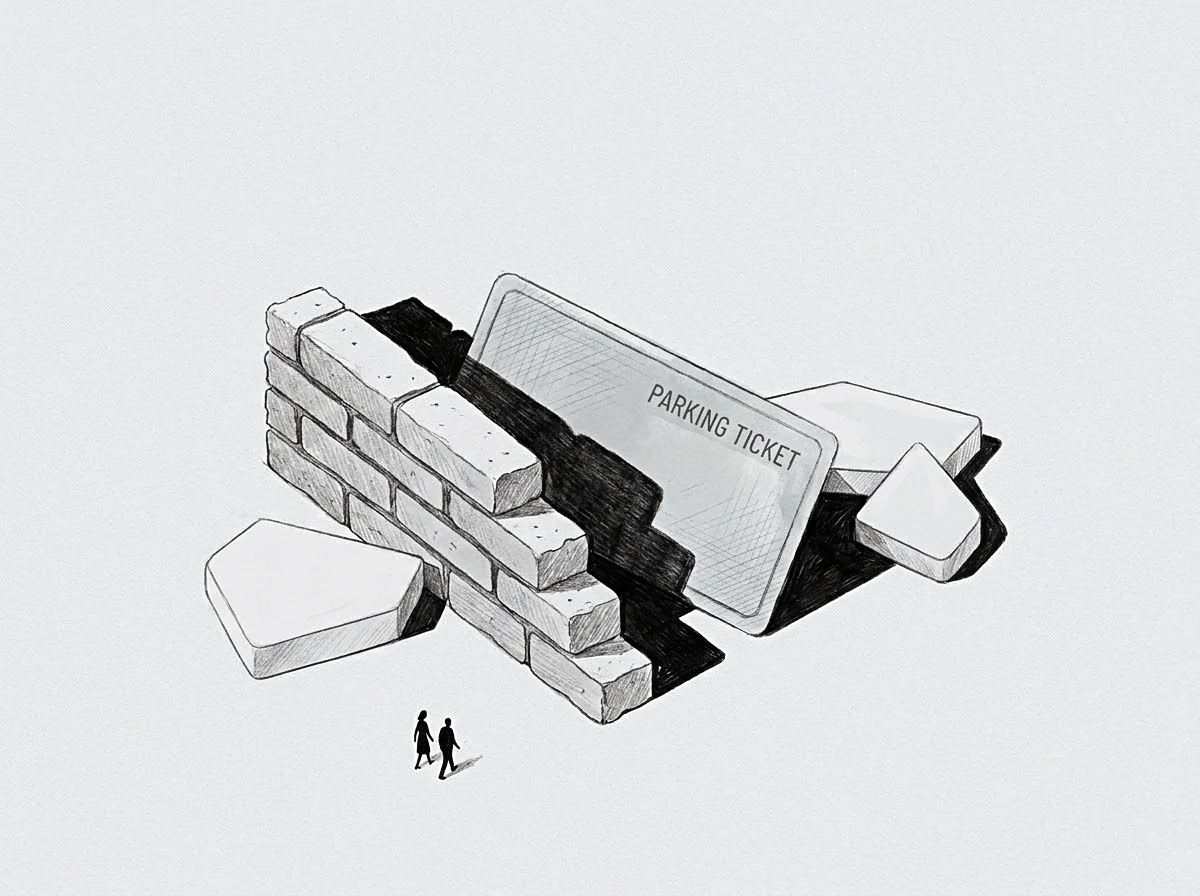
Quantitative Caps On Weekly Time Allocation
Stipulating maximum weekly hours prevents the buyer from absorbing former executives into full time management roles. The agreement should define specific hourly allocations per week, with explicit expiration dates for each service module. Duration drives cumulative operational exposure.
When time allocations are left open-ended, the service provider risks re-establishing an ongoing employment relationship under federal and state labor standards. Such reclassification can undermine the tax treatment of the transaction exit payouts and create exposure to employment-related liabilities. Clear quantitative caps ensure that assistance remains auxiliary, finite, and strictly technical.

Carveout Procedures For Retained Decisions
Service schedules explicitly exclude former officers from authorising capital expenditures, terminating personnel, or signing regulatory filings. Execution establishes real liability. These key governance levers must remain exclusively within the buyer’s domain.
If a transition task requires regulatory signatures, an active officer of the buyer must execute the document.
- Service provider receives a written task request from the buyer’s designated integration manager containing specific technical parameters.
- Service provider executes the technical analysis or data migration offsite without exercising management authority over target employees.
- Service provider delivers the completed work product to the integration manager for formal written acceptance and corporate implementation.
Transitional operational support remains safe only when every requested action requires written authorization from an active officer of the buyer.
Documenting adherence to this three-step workflow creates an audit trail that disproves any later assertions of de facto officer status. Retained signatories carry personal risk. Refusing to sign corporate filings post closing preserves the legal boundary between independent advisory services and fiduciary governance.

Horizon
The final conclusion of a transition services contract marks the absolute severance of operational involvement and legal exposure for selling executives. Severance ends post closing duties. Extending transition periods through informal verbal extensions exposes the seller to uncontracted operational risks after initial contractual protections expire.
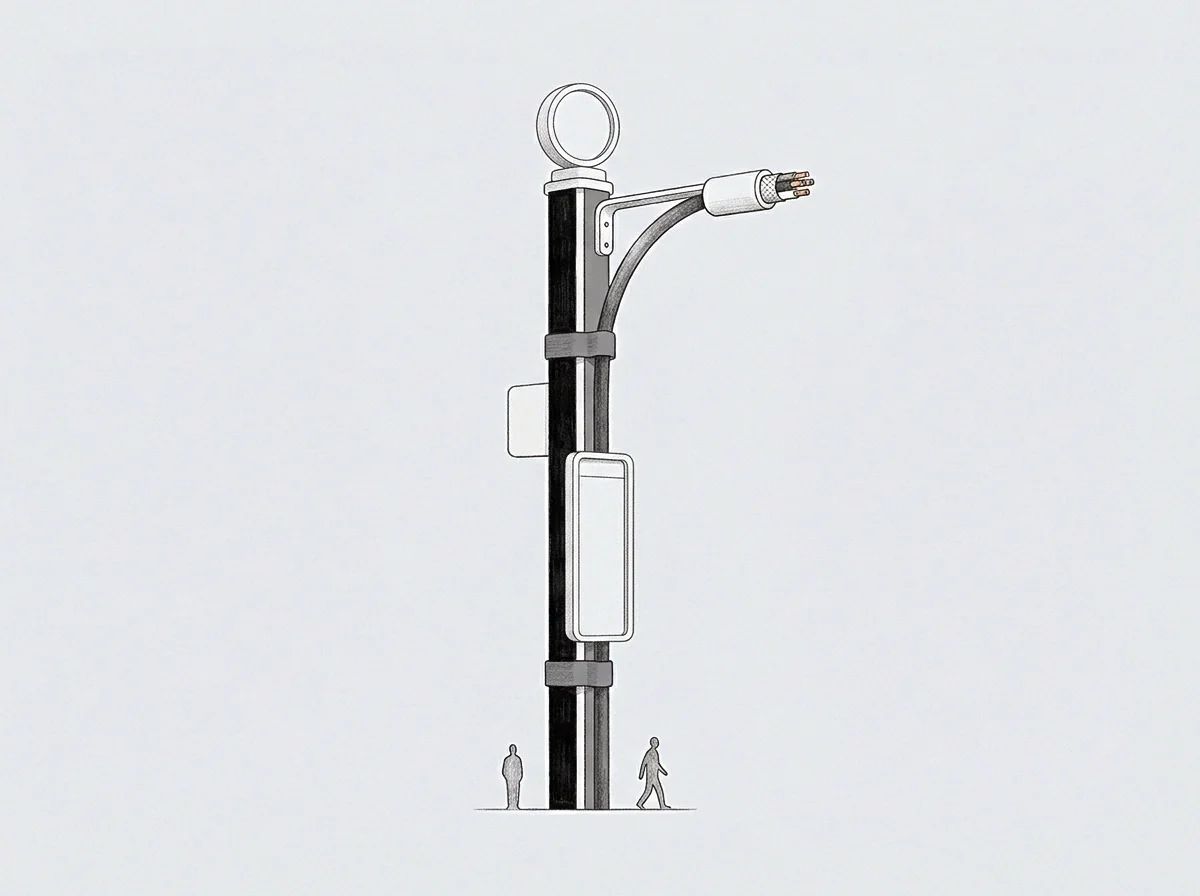
Termination Notices And Final Discharge
Formal written notices of service completion trigger the release of escrow retentions and conclude transitional duties. The termination process must be treated with the same legal formality as the transaction closing itself. A formal Certificate of Service Completion, signed by an authorized corporate officer of the buyer, confirms that all transitional deliverables have been satisfactorily received and that all service obligations are fully discharged.
Executing this final discharge stops the accrual of potential contract claims. It establishes a firm calendar date after which any further operational issues within the target company are legally attributable solely to the buyer’s active management team.

Post Termination Defense Protocols
Retaining organized digital archives of written buyer authorizations ensures immediate defense against future governance claims. Former officers must preserve every written task order, email authorization, and signed service completion certificate in a secure personal repository. These records constitute the primary evidence required to dismiss post-closing officer liability claims at the summary judgment stage.
The cleanest operational exit occurs when the transition period ends strictly on its contractual sunset date without extensions.
When the transition window closes cleanly, the seller achieves full separation from the target entity’s corporate vehicle. It remains uncertain whether courts will treat post sunset informal email responses as a continuation of de facto officer service when transaction systems remain unintegrated.