Meaning
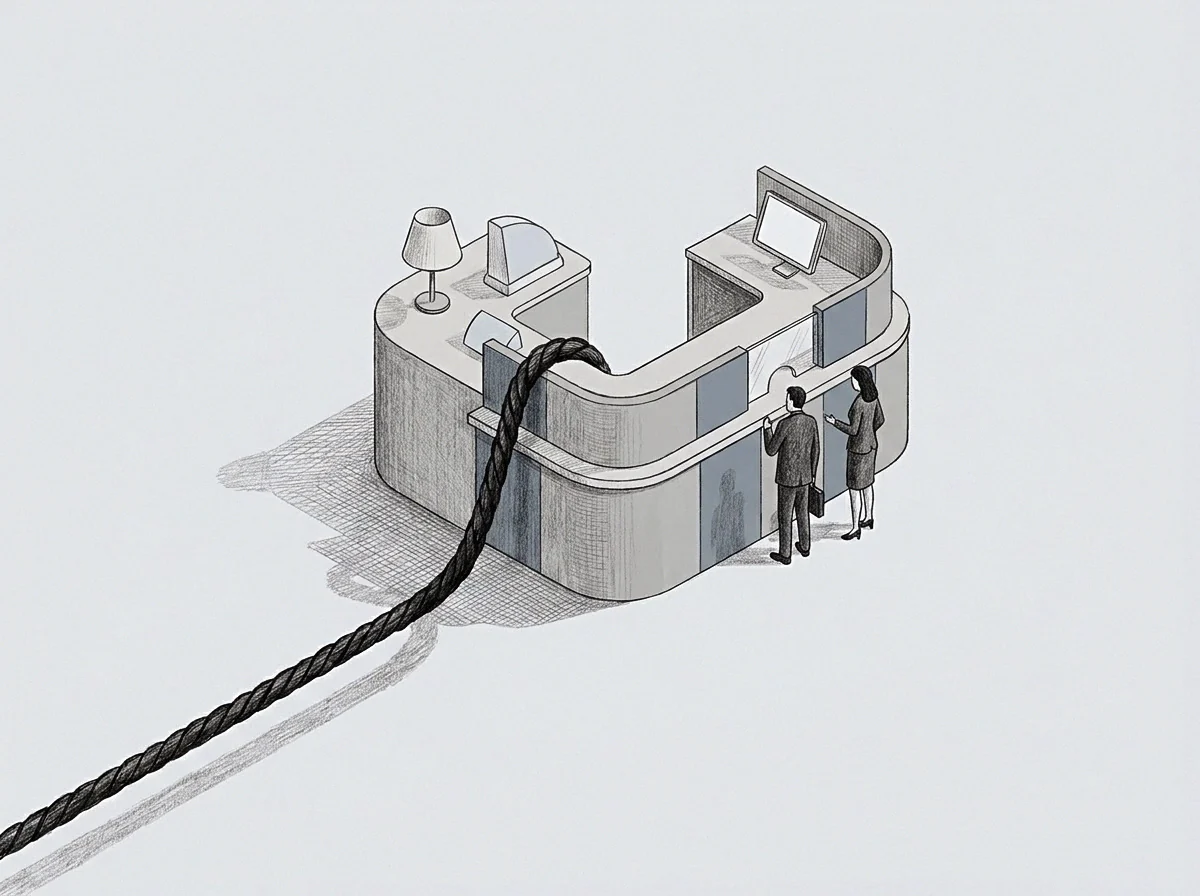
Structured transfers of commercial relationships and administrative authority from an outgoing executive to an operational team form a discrete phase in professional services. When executed formally, an account migration reassigns client communication, historical context, billing arrangements and contractual obligations to successor staff. The process removes the founder from daily advisory duties and places client handling into institutional workflows.
Its formal scope terminates once the incoming manager completes unassisted renewals, billing reviews and contract adjustments without relying on founder intervention.
Relocation Mechanism
Reassignment begins with an audit of unwritten client preferences, unspoken commitments and historical scope expectations held exclusively in founder memory. During an account migration, these qualitative details move into shared project databases and client relationship systems. The founder introduces the incoming relationship manager during formal meetings, positioning that person as the sole operational owner for ongoing deliverables.
Parallel attendance at advisory meetings continues across two billing cycles before the predecessor steps back completely. Routine communications route exclusively to the new account owner, who handles delivery disputes and pricing discussions independently. Predecessors intervene only under direct contractual breach or catastrophic service failure.
Attention Expenditure
Transitioning tenured client accounts extracts heavy working capacity from leadership. Managing parallel relationships while coaching replacement account owners demands significant cognitive bandwidth and billable time. The founder often spends forty hours across several months documenting informal client patterns that software tickets never recorded.
This operational friction decreases billable availability for prospective sales or product strategy. Energy drains rapidly when anxious clients attempt backchannel communications to draw the founder back into operational troubleshooting.
Custody Boundary
Direct involvement ceases when contractual milestones and invoice approvals conclude under the sole supervision of the new relationship manager. An account migration ends when recurring client revenue renews without executive sponsorship or historical founder concessions. If contract renewals stall or key clients demand personal oversight, relationship custody reverts to emergency intervention.
Complete boundary isolation protects enterprise valuation by demonstrating that commercial revenue attaches to operational systems instead of personal relationships.