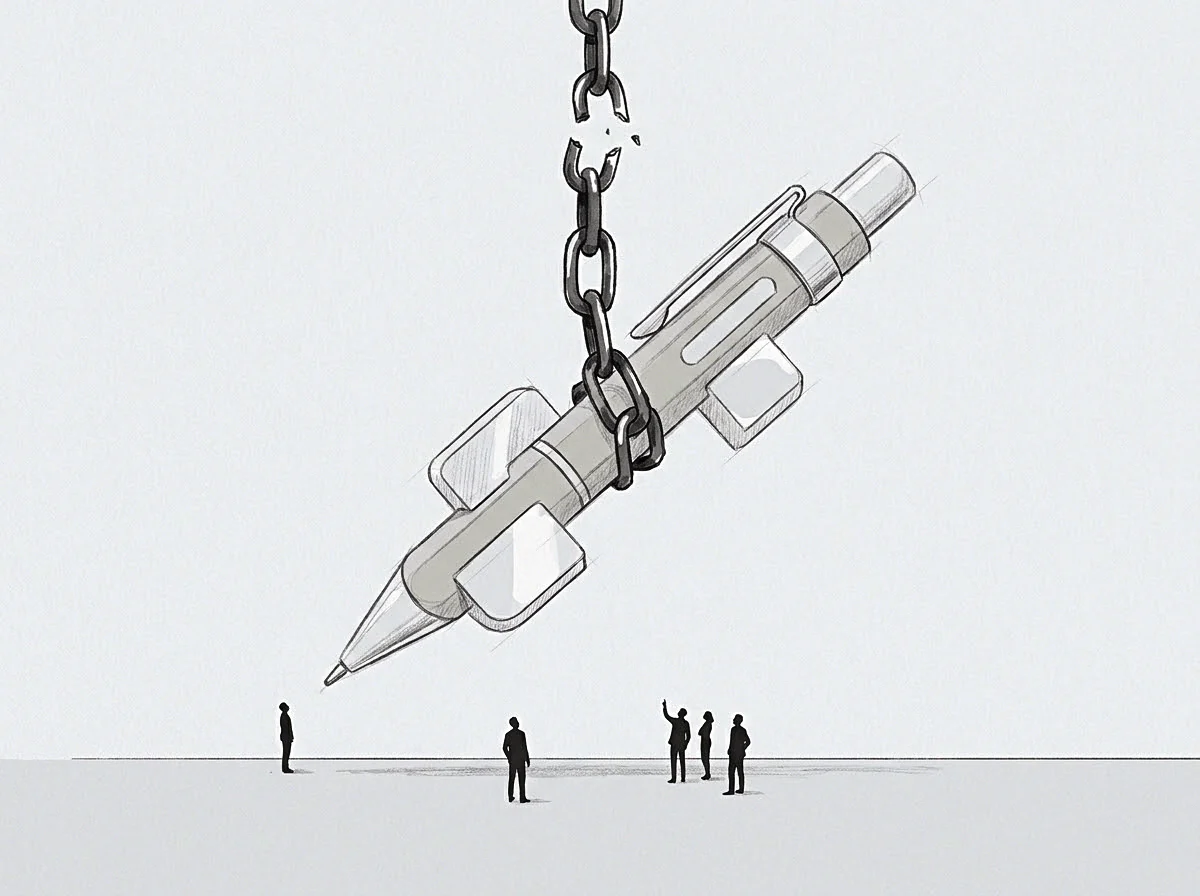
Meaning
Agency doctrine binds a principal to commitments made by an agent whenever the principal’s own manifestations cause an external party reasonably to conclude that the agent holds authorization to act. The mechanism of apparent authority operates entirely on third-party reliance created by the principal, independent of actual delegations, written powers of attorney or private governance agreements. It measures external exposure against formal internal permission, arresting internal defenses when an organization projects an impression of authorization into trade.
The doctrine stops applying where the third party holds actual notice of a representative’s restricted mandate, or where circumstances make reliance unreasonable as a matter of common commercial practice.
Commercial Exposure
Third parties evaluate authority by examining titles, past transaction approvals, corporate email domains and direct introductions made by governing boards. When an outgoing executive yields operational management yet retains public standing, apparent authority allows that individual to encumber corporate balance sheets with valid vendor contracts, credit extensions or joint venture obligations. The corporate entity remains bound to performance or damages regardless of whether the commitment broke internal resolutions.
Redress against the errant former operator requires internal litigation or arbitration based on breach of fiduciary duty or employment covenants. Corporate recovery remains subject to the counterparty’s solvency and the person’s personal assets.
Founder Seat
Individuals who surrender executive officer titles while remaining board directors, major equity holders or honorary chairs frequently produce this exposure without explicit intent. Counterparties naturally presume that the creator of an enterprise retains perpetual agency to bind it. Retaining signature blocks, enterprise communications systems or front-facing vendor representation leaves the former officer personally exposed to cross-claims when transactions fail.
The human cost registers as ongoing executive distraction, expanded professional indemnity exposure and persistent entanglement with legacy operational liabilities. Surrendering the seat cleanly demands a formal severance of public commercial representation, including written notices of revocation directed to principal counterparties, lenders and regulatory registries.
Revocation Mechanism
Operating entities insulate themselves against unauthorized post-handover agency by issuing affirmative notices of authority schedules to active suppliers, counterparties and banking partners. Public filings in corporate registries establish constructive notice in select jurisdictions, though commercial counterparties often demand specific transactional notifications to eliminate reliance defenses. Internally, boards revoke bank signatory powers, cancel commercial credit instruments and reconfigure enterprise access immediately upon an executive’s resignation.
Failing to execute these affirmative steps allows lingering executive presence to bind the enterprise indefinitely. Commercial law holds the entity responsible for the outward impressions it permits to persist.