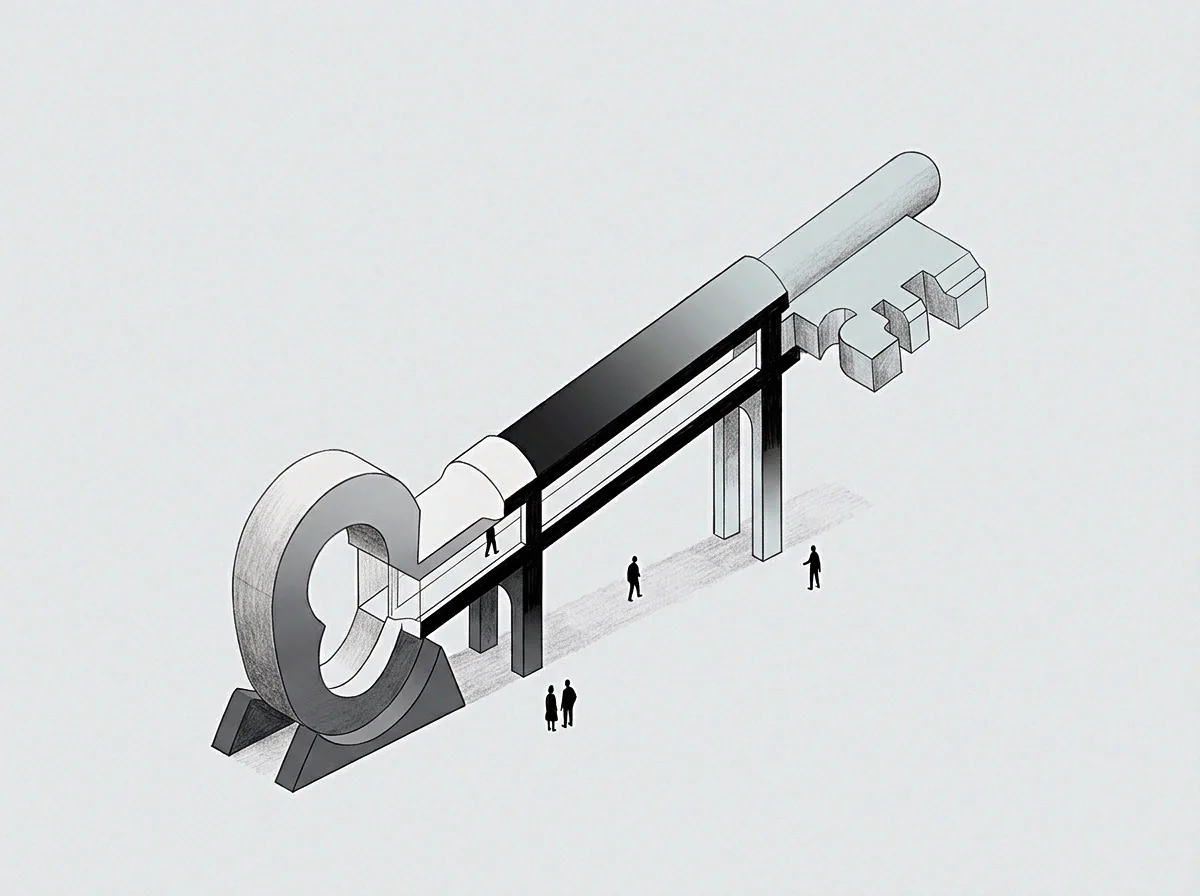
Meaning
Division of decision-making power defines the formal separation between original owners and professional management. An authority partition limits the scope of a founder or manager to specific domains (such as product or operations) to prevent overreach. It establishes the boundary where one seat influence ends and another begins.
Power Distribution
Rules governing the delegation of rights ensure that no single individual controls every lever of the firm. While a founder might retain final say on brand, the authority partition gives an executive lead command over the engineering stack. This arrangement reduces the cognitive load on the founder and increases the speed of local decisions.
Transition Cost
Moving from a centralized model to a partitioned one requires a substantial expenditure of attention and time. Founders often find that the authority partition triggers a period of uncertainty as teams learn where to direct their queries. The shift demands clear documentation to succeed.
Practitioners who fail to formalize the split risk a total collapse of accountability. If the founder steps back across the line without warning, the confidence of the appointed manager evaporates immediately. Restoring that trust takes months of consistent behavior.
Strategic Autonomy
A well-defined split allows experts to operate with high independence within their own sectors. This autonomy ensures the firm can scale without the founder becoming the universal approval point for minor details. Clarity in these divisions prevents the erosion of trust between partners.
The partition remains effective only as long as the boundaries are respected by all parties.