Meaning
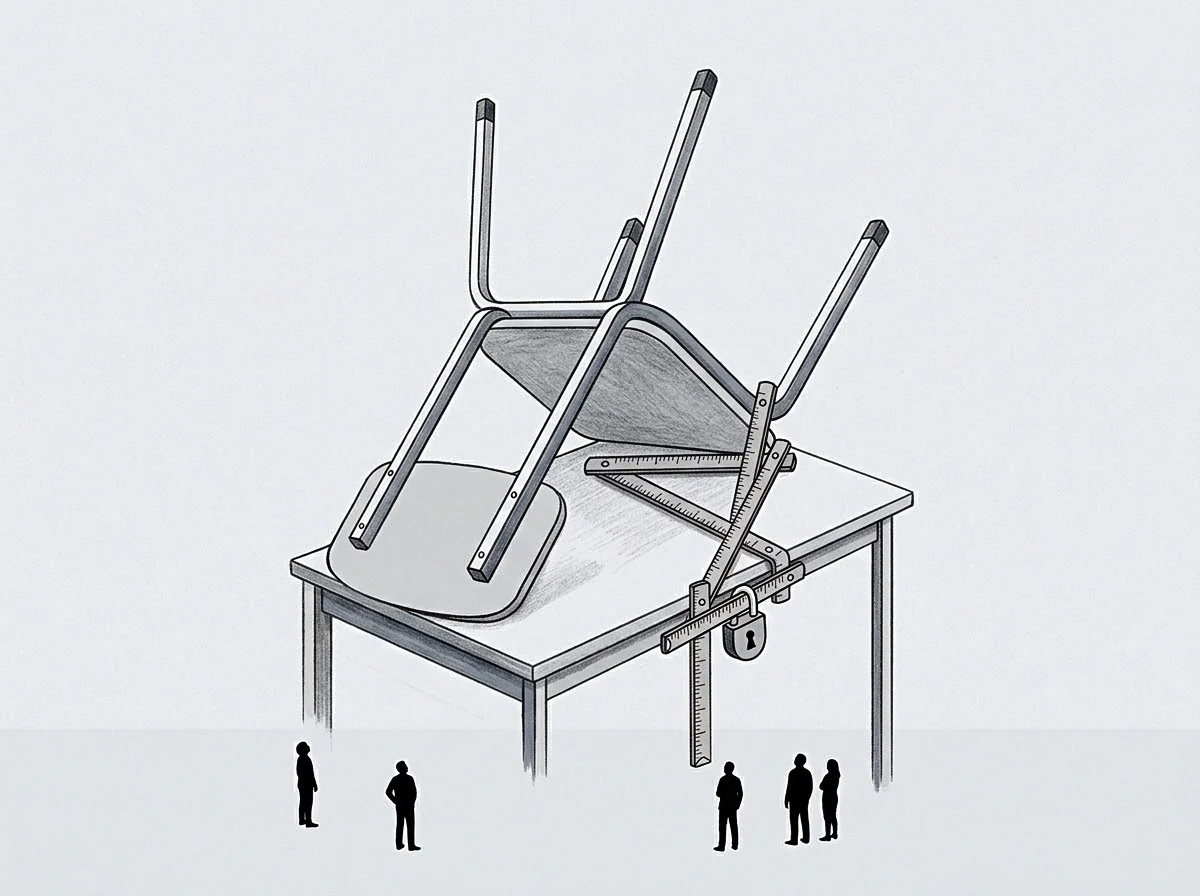
Communication protocols establish the formal boundaries of information flow between a founder and their former direct reports. Effective backchannel suppression prevents the continued use of informal messaging or unrecorded meetings that bypass new management layers. It governs the transition from a flat, high-trust network to a structured hierarchy where decisions are documented through official channels.
The practice stops applying when a crisis demands immediate cross-functional collaboration outside the established chain of command.
Tactical Impediment
Institutional memory often resides in the personal relationships a founder maintained during the early stages of growth. Applying backchannel suppression forces employees to resolve issues with their current supervisors rather than seeking the founder for a quick fix. This mechanism requires the founder to redirect inquiries to the appropriate department head every time an old colleague reaches out privately, a process that consumes significant time during the first year of a transition.
It functions through friction.
Cultural Resistance
Long-tenured staff frequently feel a sense of loss when direct access to the original leadership is curtailed. The backchannel suppression of these legacy connections often triggers a period of reduced engagement among the first hires. While the founder experiences a release of operational pressure, the staff may interpret the silence as a shift in company values.
Maintaining this boundary involves a high cost in emotional energy as the founder must repeatedly decline the role of a sympathetic ear for internal grievances, which can lead to a perceived coldness in the working environment that persists for several quarters.
Attention Economy
Capacity management remains the primary driver for limiting these informal inputs. A founder who allows backchannel suppression to fail becomes a bottleneck for decisions they no longer formally oversee, resulting in a paralysis that affects the entire executive team. The individual preserves focus.
The resulting clarity allows the organization to scale.