
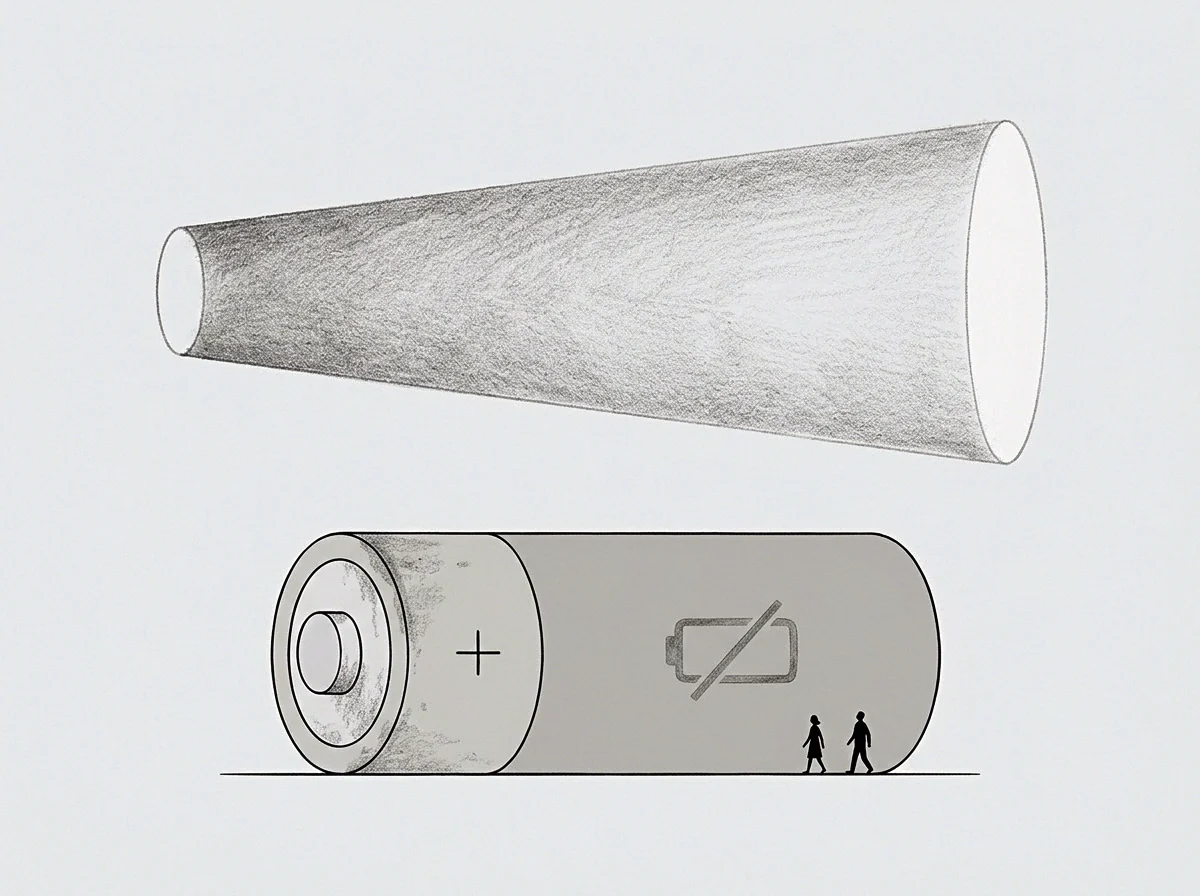
Decomposing Technical Leadership Seats To Prevent Operational Exhaustion
Partitioning technical governance, people management, and code architecture into distinct seats stops task switching from consuming executive cognitive capacity.
Partitioning technical governance, people management, and code architecture into distinct seats stops task switching from consuming executive cognitive capacity.

Latent operational dependencies in private firm handovers are resolved by systematic audit, explicit approval boundaries, and calendar-driven scaffold removal.

Formal service agreements convert tacit operational workload into priced capacity, preventing equity dilution from absorbing uncompensated operational labour.

Operational authority grants immediate commercial execution rights within approved budgets, whereas shareholder equity governance regulates capitalization and ownership decisions.

Phase-gated triggers collapse super-voting stock into standard common equity as audited operational and financial milestones demonstrate corporate maturity.
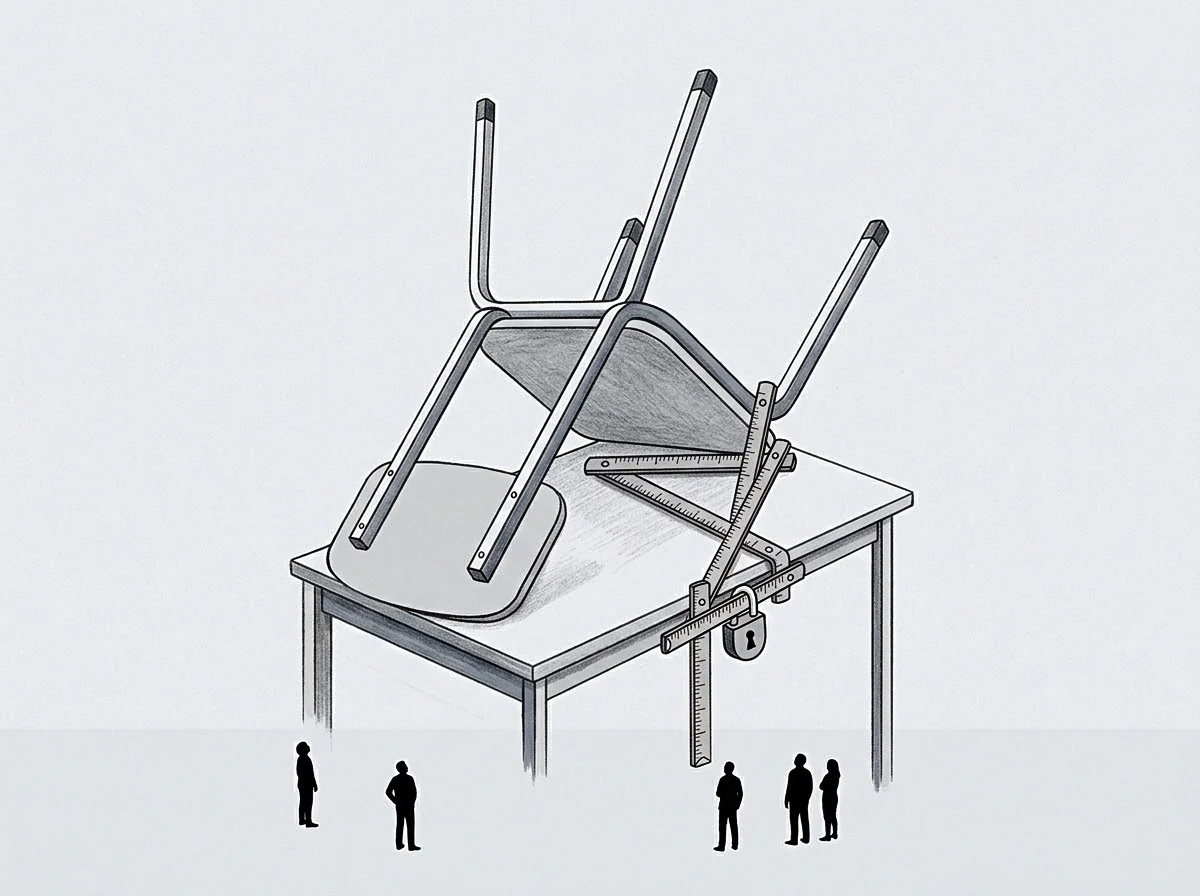
Operational boundary covenants enforce management authority by stripping former executives of unrouted operational access during organizational stress.
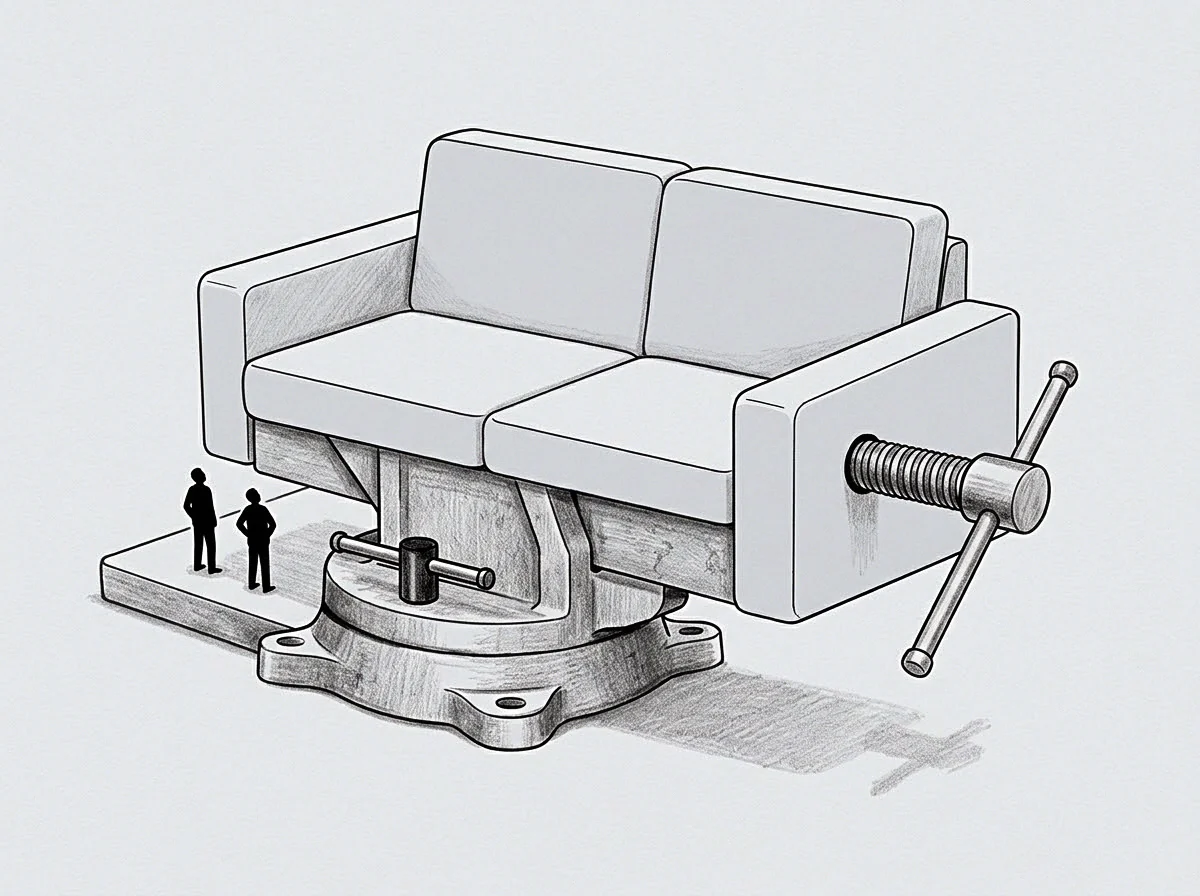
Successor authority survives market contraction through explicit emergency scopes, singular board communication, and contractual capital intervention triggers.

Uncoupling operational executive control from equity governance requires revoking officer signing authority while restructuring share voting rights via proxy conversion agreements.

Operational position charters decouple executive identity from company functions by explicitly codifying decision rights, metrics, and handover criteria.
The terms are written where they belong. Each field holds three desks, and every entry a desk writes raises the terms it uses, each term given a meaning, a mechanism and the places it appears. The record on these pages stays first person and hand made; the fields grow the nomenclature.