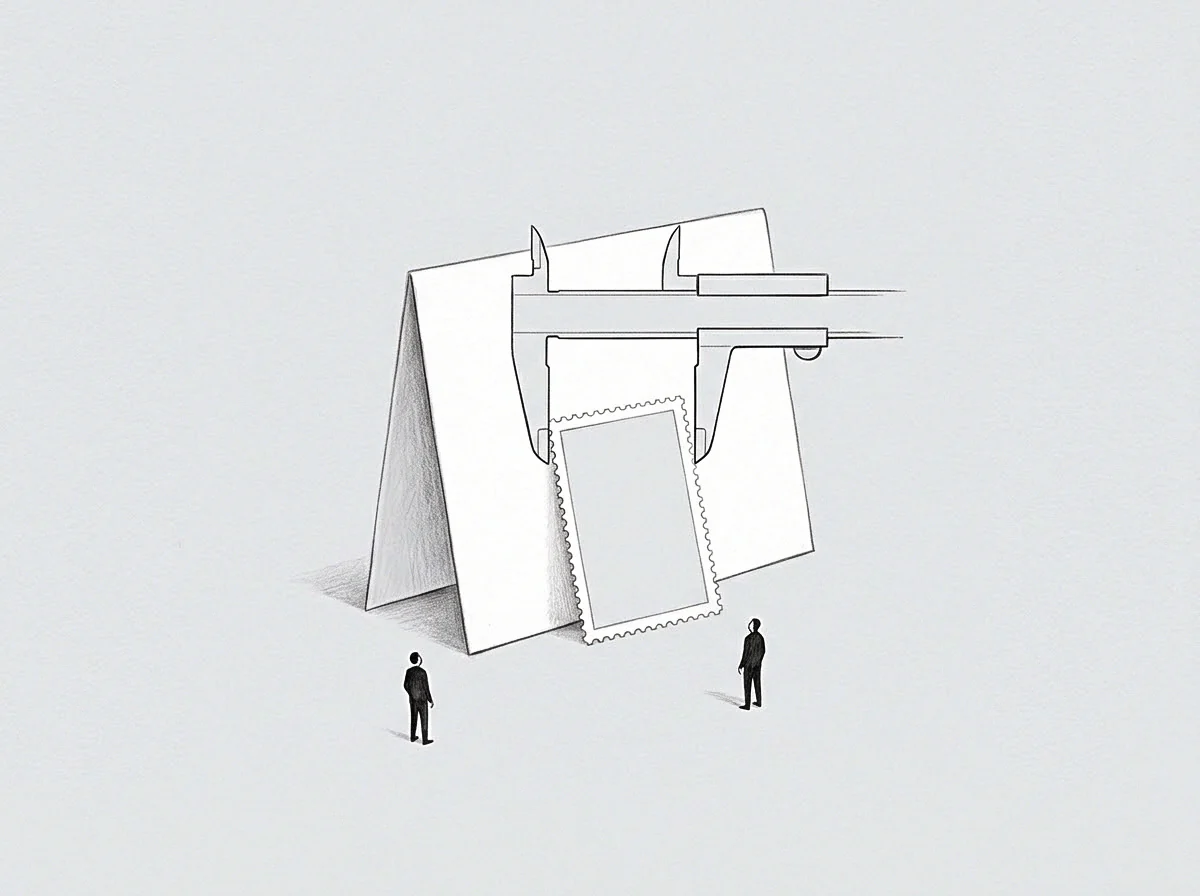
Meaning
An organizational structure divides leadership authority between an active operational executive and a transition-stage chairperson who holds significant board influence. Establishing bifurcated governance often occurs when a founder steps back from the chief executive role but retains the chairmanship. This arrangement attempts to preserve founder wisdom while granting operational freedom to the successor.
Power Division
Power division requires a formal document to outline the boundaries of both roles. Under a system of bifurcated governance, the line between board oversight and operational execution can become blurred. This blurring often leads to conflicting directives being issued to department heads.
Successor Autonomy
Successor autonomy is frequently tested when the founder disagrees with a strategic pivot. A poorly managed bifurcated governance model can undermine the authority of the new chief executive. If the team senses that the founder holds the real power, they may bypass the official leader to seek informal approvals.
Conflict Resolution
Conflict resolution mechanisms must be designed into the governance charter to handle strategic disagreements. These mechanisms include independent board committees and clear escalation protocols for deadlocked decisions. Establishing these rules before the transition occurs prevents personal friction from paralyzing corporate activity.
It secures a structured path for the gradual transfer of absolute authority over a multi-year horizon. This systematic approach preserves corporate value by ensuring that the management team is never forced to choose between the founder and the chief executive.