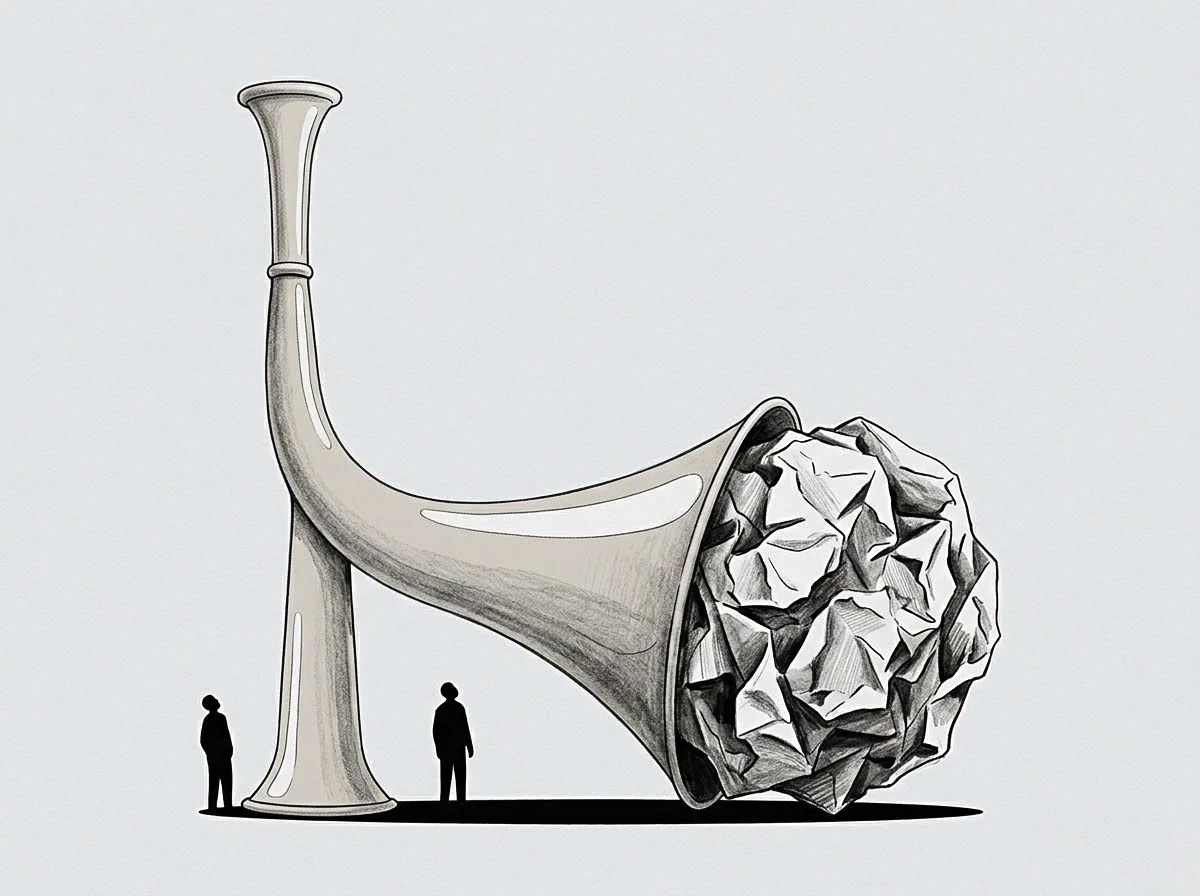
Meaning
Temporal friction occurs when the operational speed of a legacy system deviates from the response requirements of a newly introduced process or management interface. A cadence mismatch slows down the decision cycle for a director who expects real-time reporting from a team operating on weekly or monthly cycles. Data latency increases as the information provided by subordinates arrives too late for the high-frequency adjustments required by the current strategy.
This friction generates a constant drain on the attention of the executive who must bridge the gap between static reports and dynamic market conditions.
Operational Penalty
Coordination failures happen when the rhythm of production work drifts away from the velocity of planning sessions. The cadence mismatch creates a structural delay that forces the manager to hold excess inventory or buffer capacity to compensate for unpredictable output timing. Frequent reconciliations between these divergent schedules consume hundreds of hours every quarter without adding product value.
Adjustment Mechanic
Alignment requires a transition from batch-based reporting to continuous data flows or a formal slowing of the decision-making frequency to match the current output capability. Addressing a cadence mismatch involves shifting the internal measurement period until the time constant of the information flow synchronizes with the time constant of the required action. Small experiments in report frequency provide the baseline for this calibration.
Systemic Cost
Persistent desynchronization between organizational layers eventually dictates the total capacity of the firm by setting an upper bound on how fast leadership can pivot. A cadence mismatch represents a hidden tax on organizational bandwidth that manifests as repeated re-planning cycles. Every instance of this latency adds to the total operational overhead by requiring extra meetings just to translate data into actionable insights for the next planning horizon.