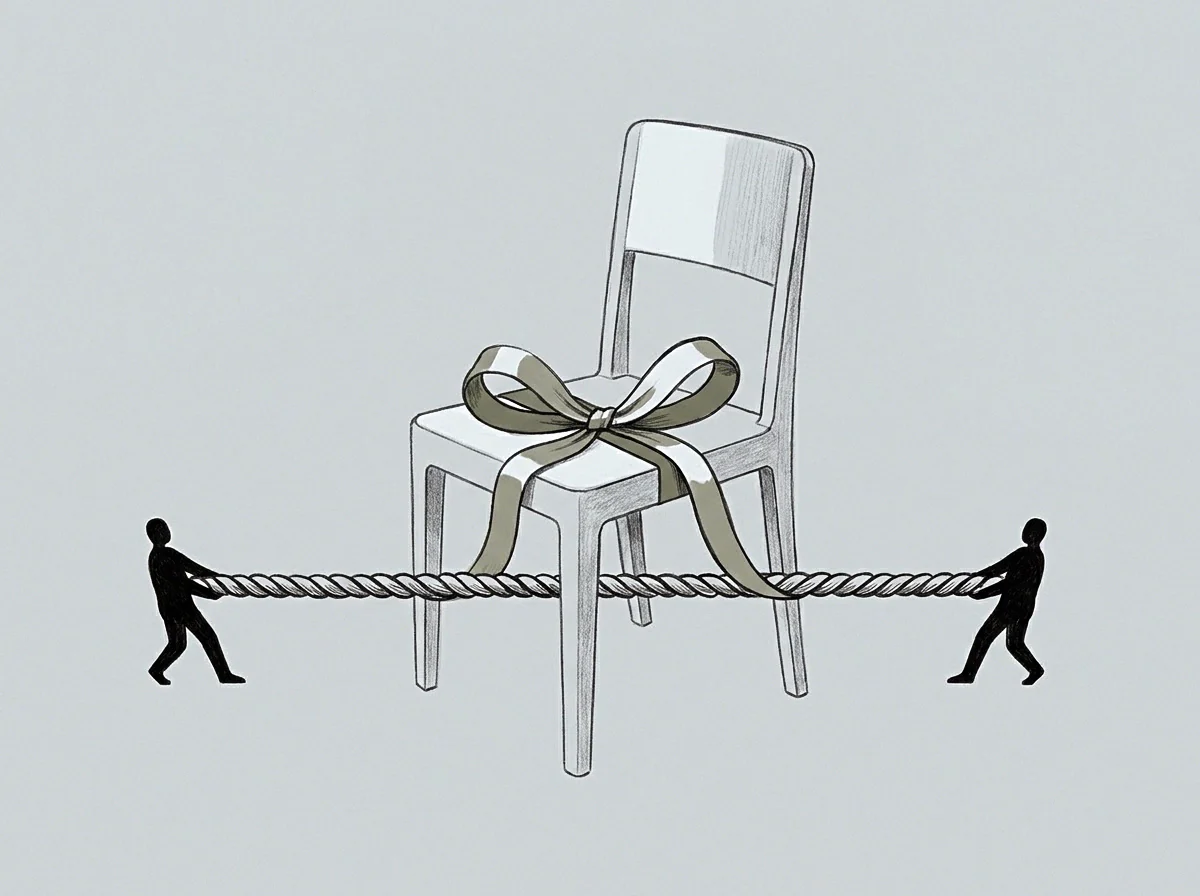
Meaning
The reduction in available energy or attention results from holding multiple roles or complex obligations within a firm. A capacity tax represents the hidden cost of context switching and over-commitment. This measurement applies to founders who retain operational tasks while attempting to move into strategic oversight.
It stops being relevant once a person occupies a single, well-defined seat with appropriate support.
Energy Drain
Cognitive resources diminish when a person manages several disparate functions. The capacity tax forces a trade off between the quality of deep work and the quantity of shallow tasks. Every new responsibility adds a layer of coordination that reduces the total output of the individual.
Attention Cost
Fragmentation of focus prevents a leader from seeing long-term patterns. While a capacity tax is often invisible on a balance sheet, it appears in the delayed response times and the missed opportunities for innovation. The mental load of tracking small details consumes the space required for high-level thinking.
Systematic delegation is the primary method for reducing this burden. Without a change in role structure, the person in the seat eventually reaches a point of total exhaustion. This cost is paid in the hours that could have been spent on strategic growth.
Performance Penalty
Organizational speed slows when a central figure becomes a bottleneck. Because of the capacity tax, the person cannot process approvals or provide guidance at the rate the business requires. This drag affects every team that depends on that leader for direction.
Real costs appear in the form of employee frustration and stalled projects.