Meaning
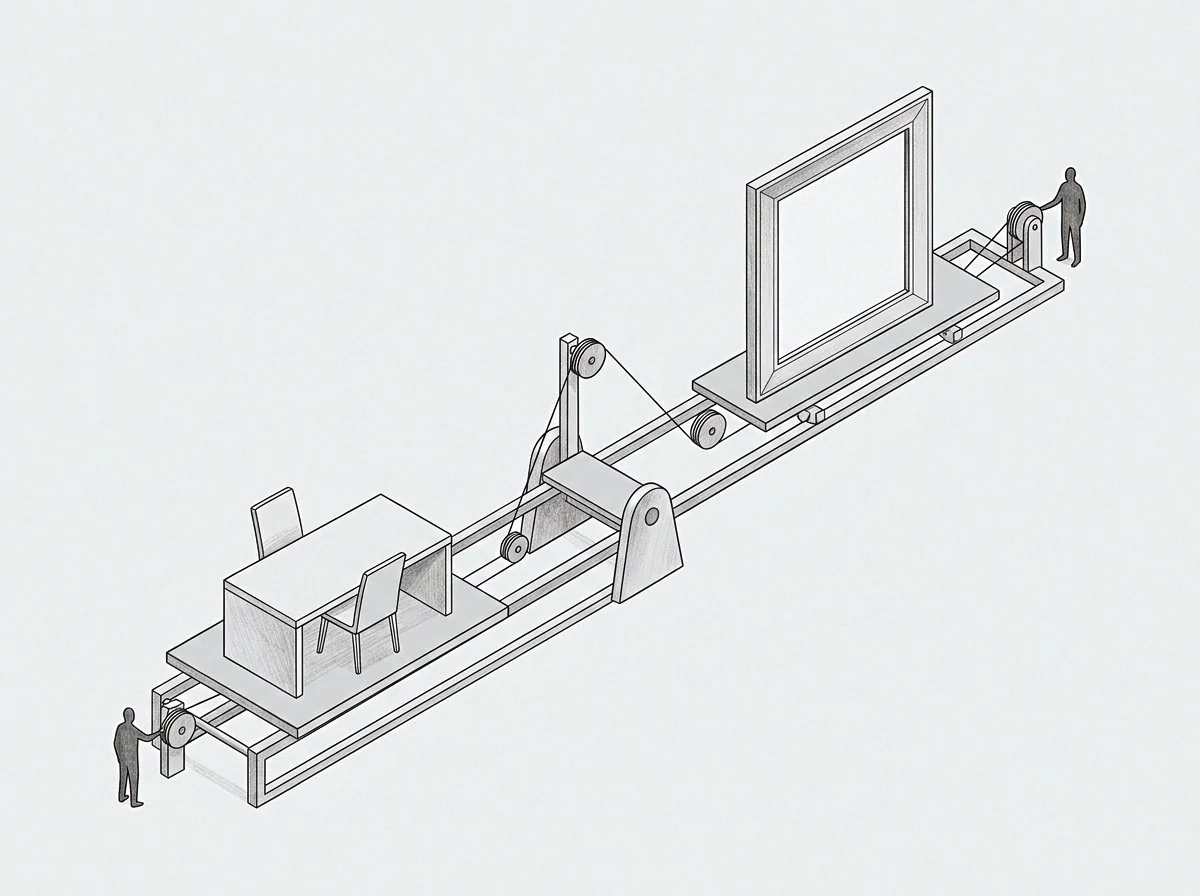
Deliberate restriction of operational funding to a venture or business unit forces structural prioritization by constraining available working assets. Through capital starvation, an ownership board restricts cash disbursements below requested operating budgets to compel cost efficiency or accelerate a strategic shift away from unviable product lines. The mechanism regulates expenditure velocity across development cycles.
It stops applying once an entity lacks sufficient liquidity to meet statutory payroll obligations or mandatory debt covenants.
Allocation Friction
Budget ceilings compel unit managers to choose between immediate commercial delivery and speculative long term engineering. Under capital starvation, enterprise leads must renegotiate vendor terms, eliminate redundant software subscriptions and freeze secondary hiring plans. The practice exposes hidden administrative waste by making redundant spending impossible to sustain.
Capacity Drain
Operational leaders expend personal energy managing supplier disputes, restructuring compensation schedules and triaging daily vendor commitments. The seat demands defensive balance sheet management rather than market expansion, increasing managerial burnout across leadership teams.
Strategic Consequence
Prolonged budgetary suppression narrows product roadmaps to core revenue generators, eliminating peripheral research and speculative market development. If sustained beyond two fiscal cycles, the severe cash containment damages competitive retention by preventing baseline market compensation for senior technical personnel. Operational teams lose the bandwidth required to adapt to market volatility.
The resulting organization operates with minimal overhead but carries structural exposure to aggressive competitor hiring.