Meaning
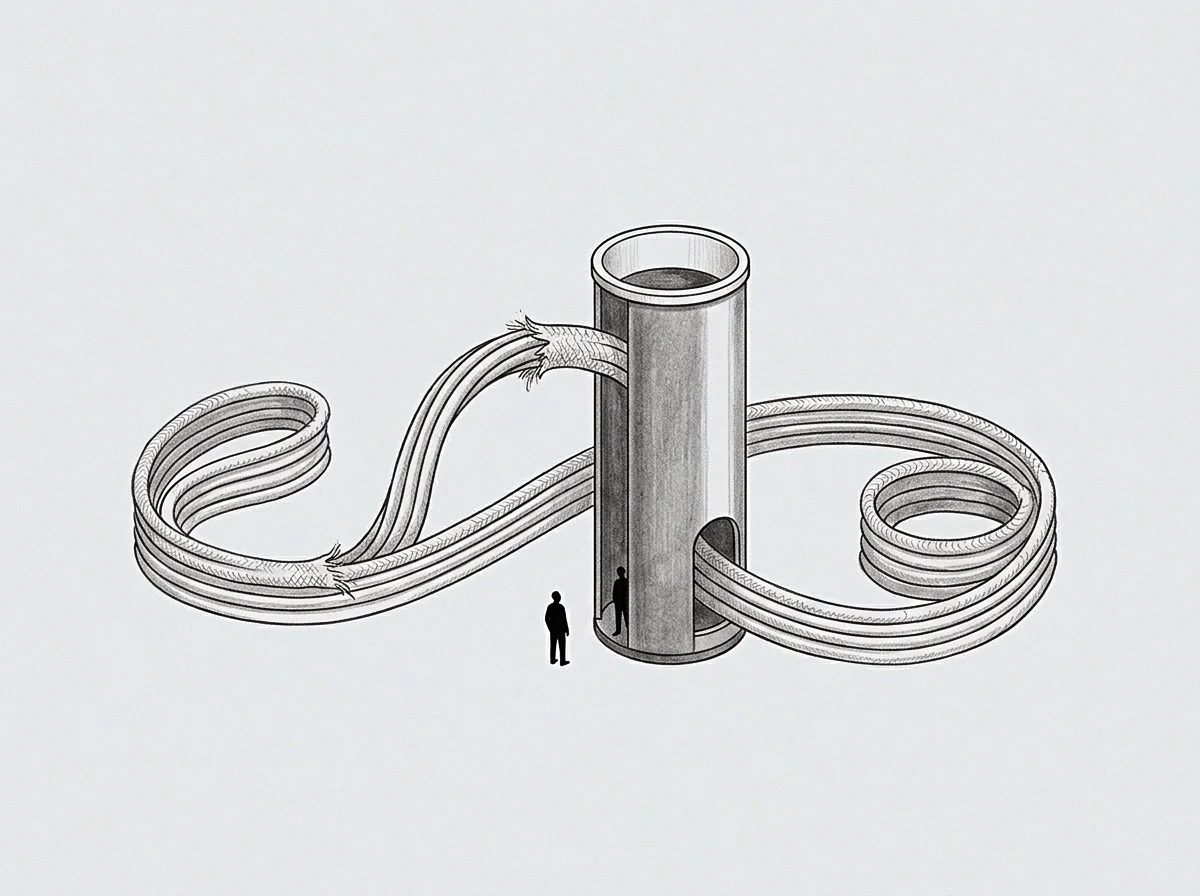
An operational mechanism in corporate governance terminates a specific activity or process when pre-defined risk parameters are exceeded. A circuit breaker functions as a predetermined boundary that interrupts escalating commitments before they consume disproportionate resources. This intervention occurs automatically when specific triggers, such as consecutive weeks of seventy-hour workdays or consecutive missed operational targets, are met.
By establishing these hard limits during periods of calm, founders protect their remaining energy and capacity from the compounding effects of ongoing crises.
Operational Threshold
The trigger for this intervention depends on a metric of workload or emotional exhaustion. It uses objective measures to bypass the denial that often accompanies extreme fatigue. This threshold ensures that the pause is executed before severe damage occurs.
Attention Restoration
Halting the cycle of constant firefighting allows for the recovery of critical intellectual reserves. When a circuit breaker is triggered, the founder must step away from direct operational intervention and hand over the immediate problem to designated team members. This action redistributes the cognitive load across the remaining leadership team.
It forces the organization to test its own resilience without relying on the continuous, unsustainable intervention of its creator.
Structural Safety
The deployment of this mechanism prevents complete burn-out and structural failure. It creates a temporary pause during which the underlying causes of the operational crisis can be analyzed without the pressure of active escalation. This pause costs the organization some immediate execution speed but preserves long-term executive capacity.