Meaning
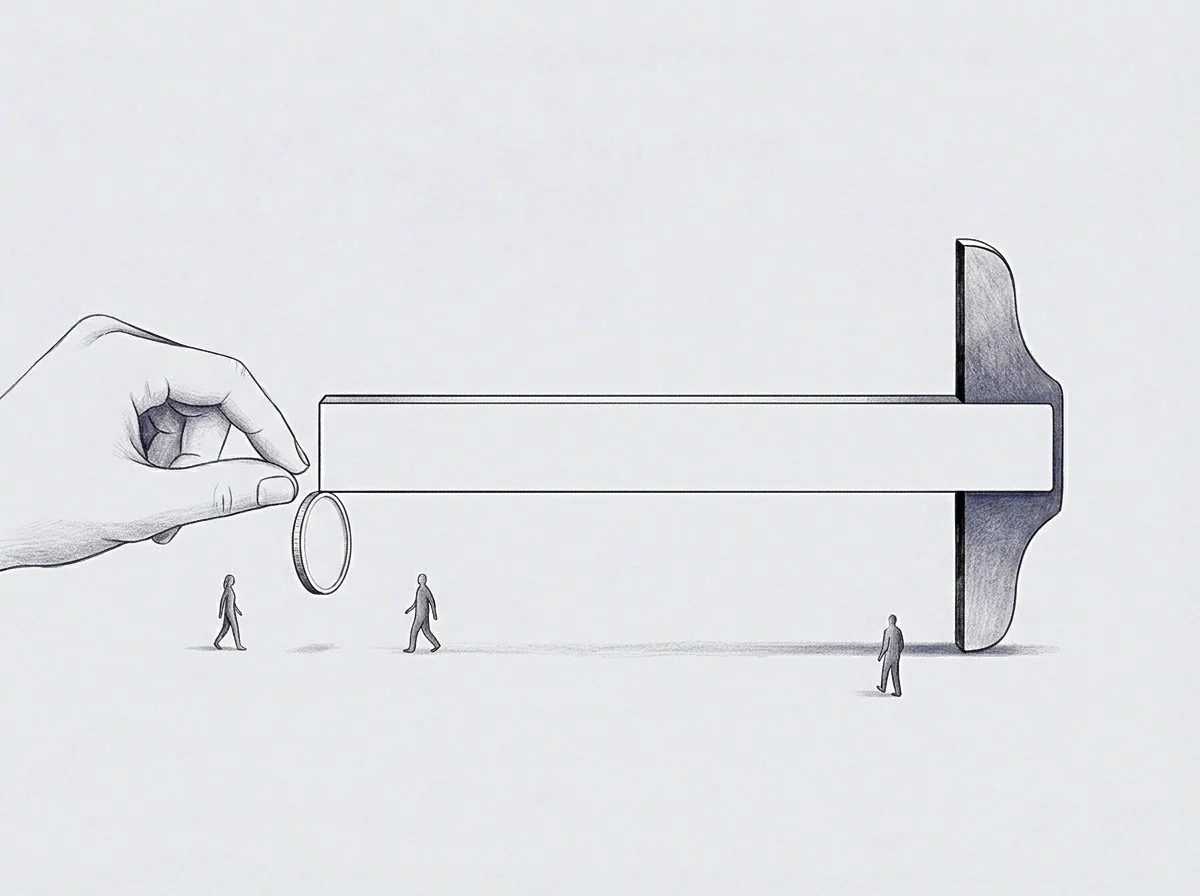
Operational slowdowns in task completion often occur as an organization scales without updating its command chain. This process of cycle time decay describes the increasing delay between a decision and its execution. When a founder insists on personally reviewing every deliverable, tasks sit in a queue.
The resulting lag disrupts schedules and introduces widespread inefficiency across departments.
Systemic Friction
Delays accumulate when workflow structures force every minor adjustment back to the executive office for validation. The phenomenon of cycle time decay illustrates how centralized authority stalls work. A task that once took hours now requires weeks of scheduling.
This stagnation lowers team motivation and encourages passive execution.
Resource Exhaustion
Leadership teams run out of mental capacity when they act as the sole conduit for information and approval. As cycle time decay deepens, the leadership team must work longer hours to process the growing queue of trivial requests. This constant demand drains their energy and prevents them from addressing critical market changes.
Operational staff spend their days waiting for feedback rather than generating value.
Organizational Recovery
Rectifying this systemic slowdown requires the transfer of operational authority to autonomous managers. Addressing cycle time decay means establishing clear thresholds where subordinates can act independently. Once teams can sign off on their own work, speed returns to the process.
This shift restores momentum and frees the founder to focus on capitalization.