
Defending Documented Role Scope Against Peak Enterprise Load Decay
Documented role scope survives peak enterprise load by reserving operational buffer capacity, enforcing triage boundaries, and logging emergency overrides.
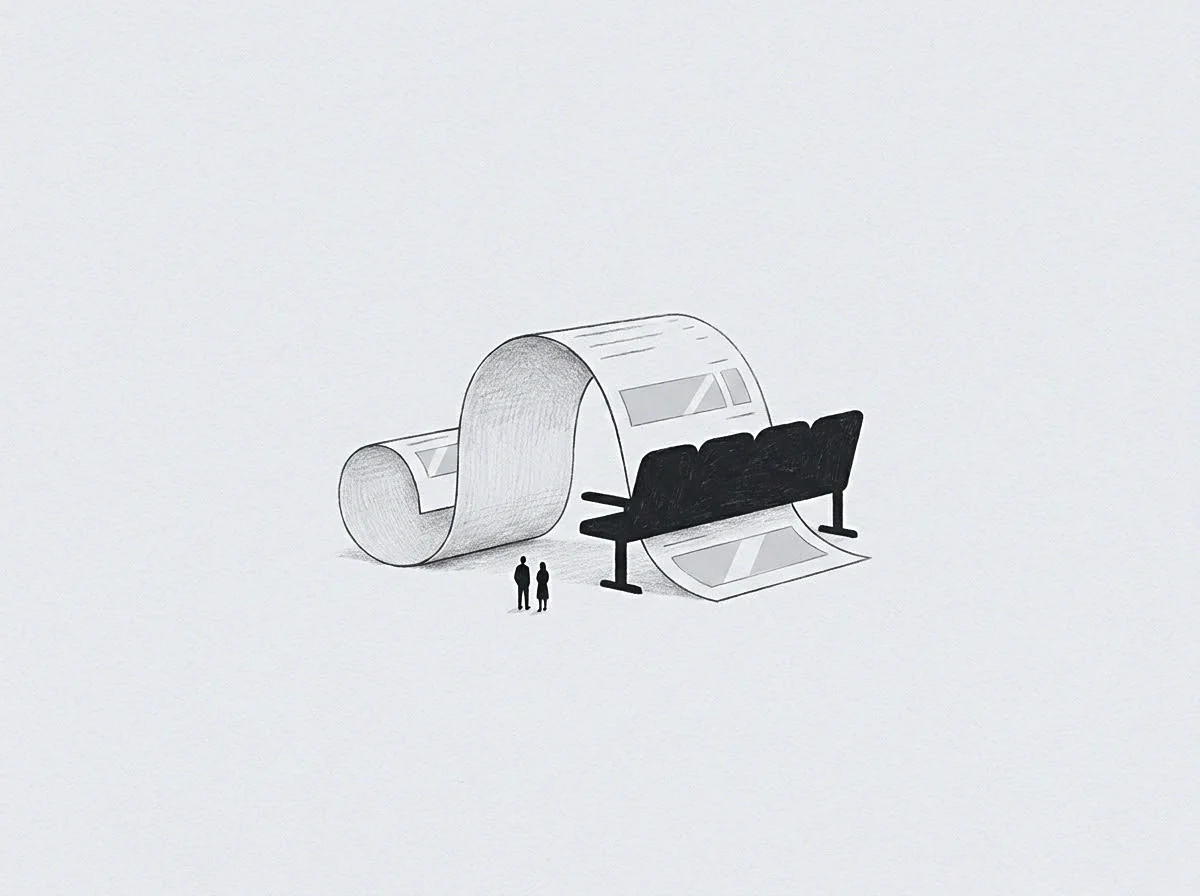
Load
An enterprise operating at normal cadence runs on written boundaries. A technician holds the production queue, a manager allocates capacity across queues, and a founder evaluates commercial viability. When customer demand surges by three times the baseline within forty-eight hours, those written partitions dissolve under immediate operational friction.
The person who designed the system steps down into the server room or client support queue because an unhandled exception threatens customer retention. The documented role scope recedes, replaced by an unspoken mandate to stop immediate loss.
Surge volume produces tacit work consisting of unlogged triage decisions, manual data reconciliations, emergency approvals granted through backchannels, and temporary process overrides. The enterprise records none of this work in its operating system. It exists purely as biological effort expended by whoever holds the greatest informal equity or responsibility for enterprise survival.
A written seat description remains valid only until operational demand exceeds the designed throughput of the documented workflow.
The technician seat expands rapidly during peak periods, absorbing every operational failure that lacks an automated handler or an assigned subordinate operator. Because the founder or senior operator retains legacy technical competence, surrounding personnel route ambiguous failures directly to that desk. The operator accepts these tasks under the assumption that the intervention is brief, but the peak cycle establishes an informal operational dependency that persists long after the volume spike subsides.
Prior resolution of a breakdown creates an expectation that the senior operator will provide identical intervention during subsequent disruptions.
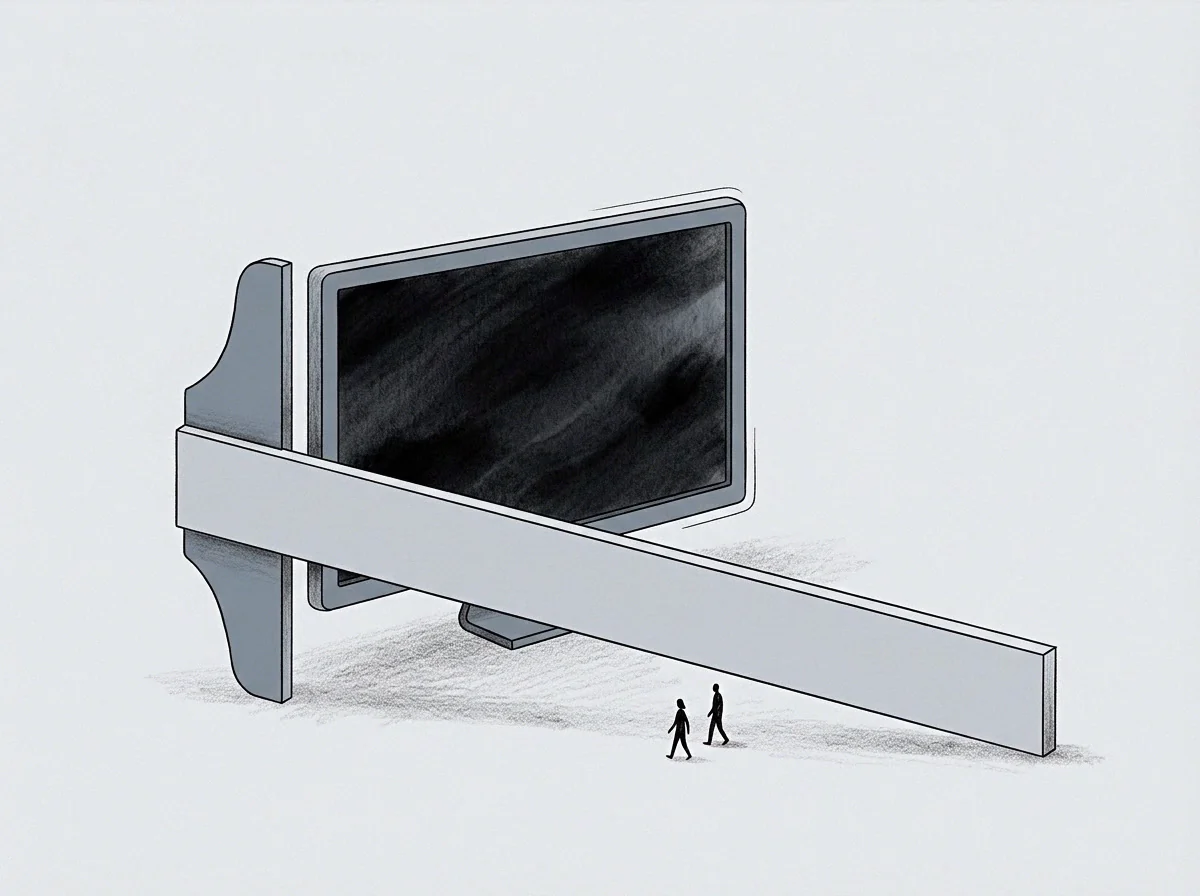
Floor

Baseline Stability Against Surge Degradation
Documented role scope defines the ceiling of expected effort during predictable conditions. Peak load tests the floor of that definition. When incoming volume strains enterprise capacity, operational architecture shifts from structural execution to survival intervention.
Maintaining documented boundaries requires explicit operational buffers designed prior to load arrival.
| Operational Dimension | Steady State Baseline | Unmanaged Surge Decay | Defended Peak Allocation |
|---|---|---|---|
| Seat Separation | Technician, manager, and founder seats operate in distinct daily blocks. | Technician interventions consume strategic and managerial hours entirely. | Manager seat enforces triage rules while technician duties remain capped. |
| Escalation Authority | Standard workflows route tasks to documented role owners. | Ambiguous breaks route automatically to the most capable operator. | Explicit service agreements divert excess tasks to pre-arranged backstops. |
| Tacit Task Absorption | Zero undocumented emergency duties accepted into standard schedule. | Operator absorbs untracked reconciliations and unrecorded fixes. | Surge tasks logged as technical debt with assigned remediation dates. |
| Capacity Recovery | Normal scheduled breaks preserve cognitive reserve for planning. | Continuous firefighting depletes operator stamina across quarters. | Enforced pause periods follow volume spikes to reset operational baselines. |
The distinction between unmanaged decay and defended allocation rests on capacity reservation. Scheduling one hundred percent of technician and manager capacity during calm periods guarantees role collapse during volume spikes. When volume rises, the absence of a buffer forces the senior operator to bridge the operational gap through personal stamina.
A defended floor maintains uncommitted margin specifically to process variance without pulling founders into tactical execution.
Role boundaries survive surge cycles when unallocated capacity absorbs volume variance before human intervention begins.

Drift

Mechanisms of Unplanned Role Expansion
Role drift occurs through incremental concessions rather than formal structural changes. During peak volume, an enterprise generates dozens of edge cases falling outside standard operational parameters. The senior operator resolves each edge case in isolation to maintain throughput, establishing precedents that permanently expand informal responsibility.
The manager seat suffers severe degradation during prolonged peak periods. Tactical triage replaces systematic resource allocation, weekly operational reviews become emergency status checks, and long-range hiring plans halt. The operator works twelve hours daily while organizational capability deteriorates, as tactical urgency crowds out structural maintenance.
When emergency interventions occur without formal logging, the enterprise treats discretionary operator effort as baseline system capacity.
The organizational literature on role strain demonstrates that individuals holding multiple implicit seats experience severe switching friction when moving between tactical execution and strategic oversight. The cost in executive attention surfaces in three distinct operational breakdowns:
- Tacit Task Ingestion accumulates unassigned duties within the founder’s daily routine without updating compensation or formal job descriptions.
- Subordinate Agency Atrophy develops when team members route complex edge cases upward rather than developing localized resolution protocols.
- Strategic Blindness manifests as the founder seat loses the cognitive capacity required to assess market shifts, pricing power, and capital allocation.
Left uncorrected, role drift converts an equity owner into an expensive, burned-out frontline supervisor. The enterprise loses strategic direction while paying premium executive compensation for routine tactical problem resolution.

Clamp

Structural Defense Protocols
Defending documented role scope against load decay requires structural mechanisms that operate independently of personal willpower. Relying on an exhausted operator to decline tactical work during an operational crisis fails reliably. The organization requires pre-established circuit breakers that restrict role expansion when volume exceeds standard thresholds.
The operator implements role defense through sequential containment protocols:
- Threshold Definition establishes numerical volume triggers that officially classify an operational period as an extraordinary surge state.
- Scope Freezing suspends new internal development initiatives while the surge state remains active to protect managerial attention.
- Delegated Triage Tiers route incoming customer exceptions to predefined frontline operators armed with explicit financial settlement limits.
- Debt Registration records every manual intervention executed by executive personnel as an operational defect requiring post-surge elimination.
A defined role boundary functions only when accompanied by explicit operational criteria for rejecting out-of-scope tasks.
The primary barrier to executing these protocols is emotional discomfort. Turning away customer requests or allowing non-critical tickets to queue requires operational discipline that contradicts early-stage founder habits. The enterprise achieves longevity by accepting temporary tactical degradation in non-critical queues rather than destroying the founder’s capacity to direct the firm.
The operating agreement explicitly states that executive personnel retain authority to reject tasks exceeding documented capacity allocations during certified peak periods.

Wedge
Every peak operational cycle drives a wedge between the firm’s documented structure and its operational reality. When the volume surge ends, the organization rarely reverts to its prior operating baseline spontaneously. Informal shortcuts, unlogged dependencies, and direct escalations established during the emergency solidify into standard operating habits unless deliberately excised.
The post-surge audit serves as the primary instrument for reclaiming documented role scope. The operator examines every intervention executed during the high-volume cycle. Each manual task is assigned to an existing subordinate seat, automated through tooling, or permanently eliminated through adjusted customer terms.
Tasks that cannot be delegated or eliminated receive explicit commercial pricing, ensuring the enterprise charges customers for the true cost of bespoke operator handling.
Stabilizing enterprise roles after load spikes requires dismantling emergency backchannels before they become standard communication paths.
An unresolved structural challenge remains: at what exact threshold does an enterprise justify hiring permanent redundant capacity solely to insulate founders from cyclical volume shocks that occur only twice per fiscal year?