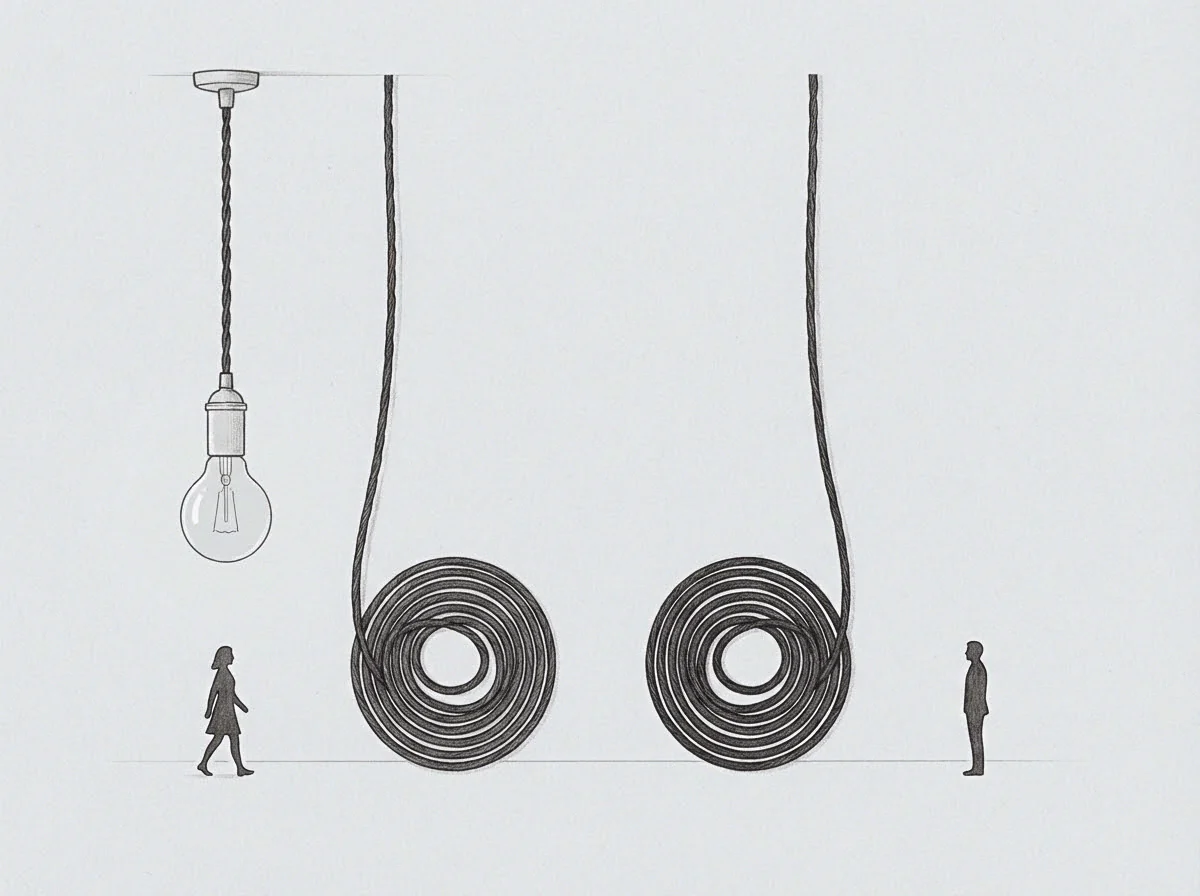
Meaning
Payment retention occurs when a portion of the purchase price remains held by the buyer after the initial transaction close to cover potential indemnity claims or post-closing adjustments. A dual track holdback functions by splitting these funds into separate accounts governed by distinct triggers, where one part satisfies standard breach claims while the other addresses specific operational or regulatory liabilities. This structure separates general risk from identified contingencies to prevent a broad escrow from trapping assets for unrelated events.
Contractual Mechanics
Professional oversight requires careful separation of the two funds because they follow different release schedules based on the nature of the identified risks. The general portion remains accessible for standard representations and warranties for a set duration, while the contingency portion only releases upon the successful resolution of the specific items or conditions named in the agreement. Negotiators often define the dual track holdback as a way to maintain liquidity for the founder while providing the buyer with protection that does not overlap between the two pools.
Such separation prevents a buyer from delaying the payout of the entire holdback when only one minor, unrelated issue remains unresolved.
Operational Exposure
Holding funds in two distinct baskets creates a higher administrative cost for the person responsible for the final accounting after the exit. The founder must dedicate hours to monitoring the status of the contingency items to ensure the buyer does not accidentally or intentionally keep the funds beyond the agreed deadline. Each track requires a separate set of reporting documents to prove that the conditions for release have been satisfied.
This division of assets consumes the time and attention of the founder because any ambiguity in the definition of the two tracks risks locking the contingency portion in limbo indefinitely.
Risk Distribution
Buyers utilize this method to reduce the total size of the purchase price withheld during a complex deal. Founders accept the arrangement because the dual track holdback limits the exposure of the bulk of the proceeds to the standard risk period, shielding the majority of the capital from the extended tail of a specific, narrow contingency. Finality in one track does not trigger the release of the other, which allows for the phased recovery of capital as risk expires or milestones are achieved.
This compartmentalization of liability ensures that the resolution of one problem facilitates the return of those specific assets without being held hostage to the timeline of the remaining, unrelated claims.