Meaning
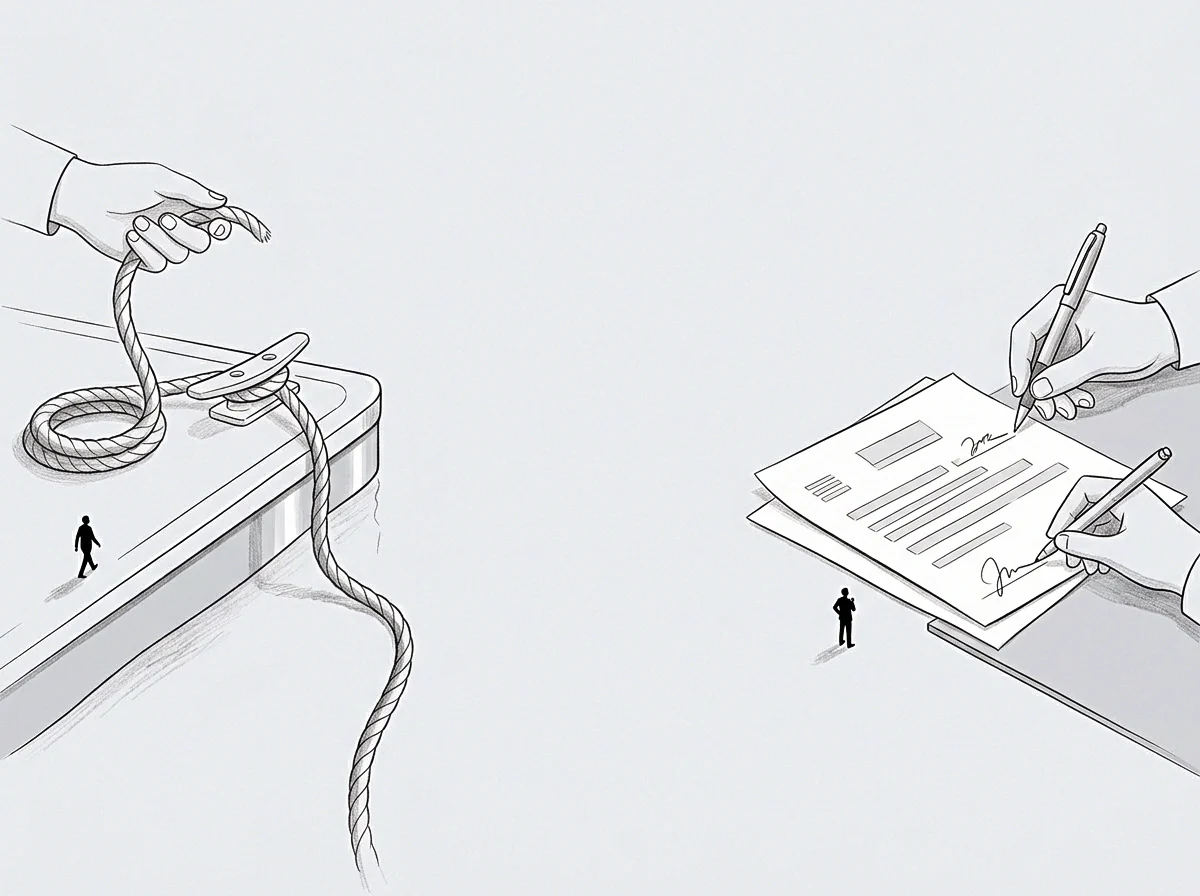
Financial separation occurs when the ownership rights of an individual are detached from their active operational management. The process of equity uncoupling allows a founder to retain their shares while stepping away from a daily executive seat. This distinguishes the reward for original risk from the compensation for ongoing work.
Ownership Distance
Transitioning from an operator to a passive owner changes the nature of the person’s relationship with the firm. After equity uncoupling, the individual no longer receives a salary or manages a team, but they still benefit from the growth in company value. This separation is a standard part of the maturation of a startup.
Dividend Right
Economic benefits continue to flow to the shareholder based on the profitability of the business. During equity uncoupling, the legal agreements must specify how the owner participates in future distributions. These rights are often governed by a shareholders agreement that defines voting power and exit preferences.
The cost to the firm is the presence of an owner who is not contributing labor, which must be balanced by the recruitment of new talent. Clear terms prevent conflicts between those doing the work and those holding the equity. This arrangement provides a path for a founder to exit the seat without losing the value they built.
Governance Split
Power shifts from the individual manager to the board of directors as part of this transition. The uncoupled owner may retain a board seat or merely a right to information. This change requires a formal update to the company’s organizational documents.