Meaning
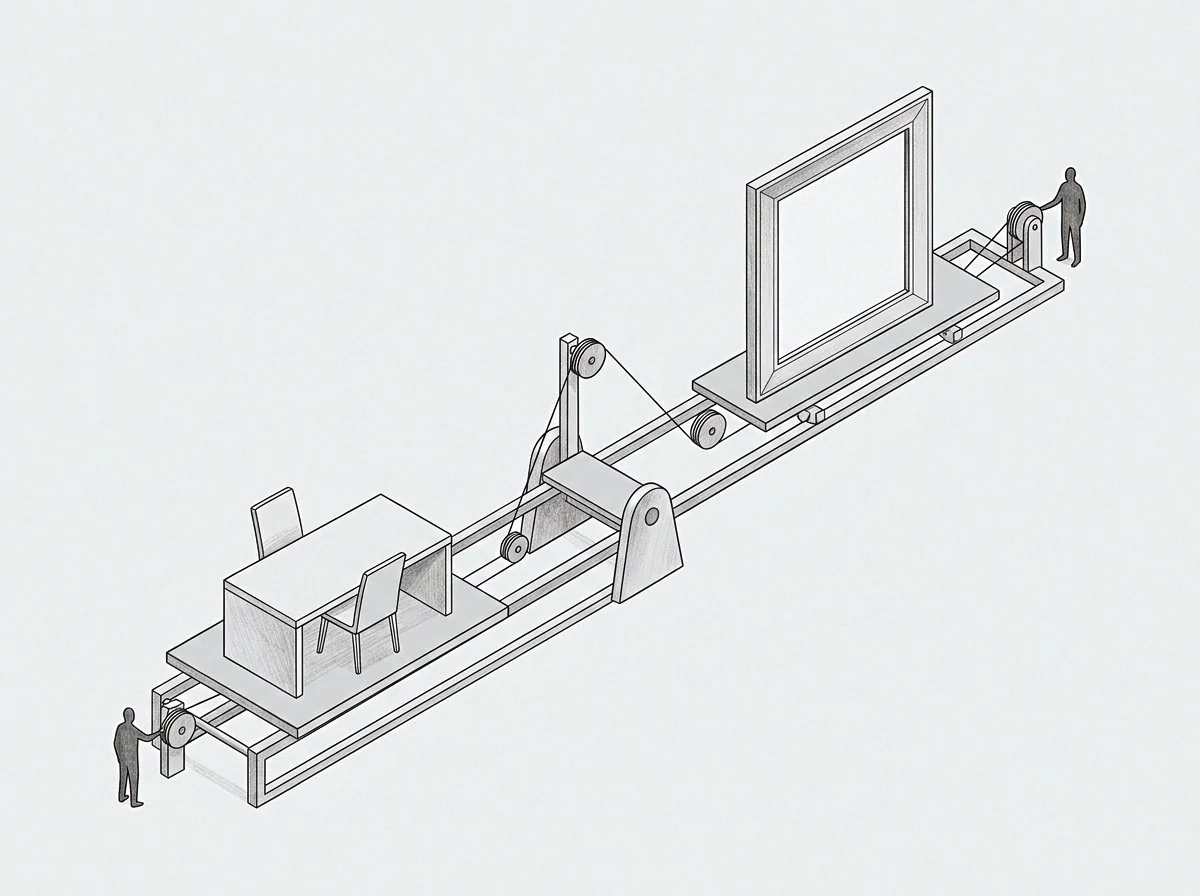
Active roles currently occupied by an individual within an organizational structure define the immediate scope of their daily labor. These held seats represent the specific functional areas where the person has direct authority and operational duties. This concept measures the breadth of an individual’s involvement across different departments.
It stops applying once a role is formally handed over to another person and all associated responsibilities are transferred.
Functional Weight
Occupying multiple positions at once creates a heavy burden of responsibility. For a founder, held seats might include being the chief executive, the head of sales and the lead product designer simultaneously. The cost of this weight is the reduction in the energy available for any single role.
Handover Readiness
Transitioning out of a position requires that the duties are clearly defined and separable. When held seats are too tightly integrated with a person’s identity, the organization struggles to hire a replacement. Preparing for a handover involves documenting every task associated with the seat.
Mental Load
Managing the different requirements of various roles consumes vast amounts of capacity. Each of the held seats demands its own set of priorities and deadlines. Success in one area often comes at the expense of another unless the person can effectively delegate.
Reducing the number of these positions is a primary goal for a leader who wishes to scale the company.