Meaning
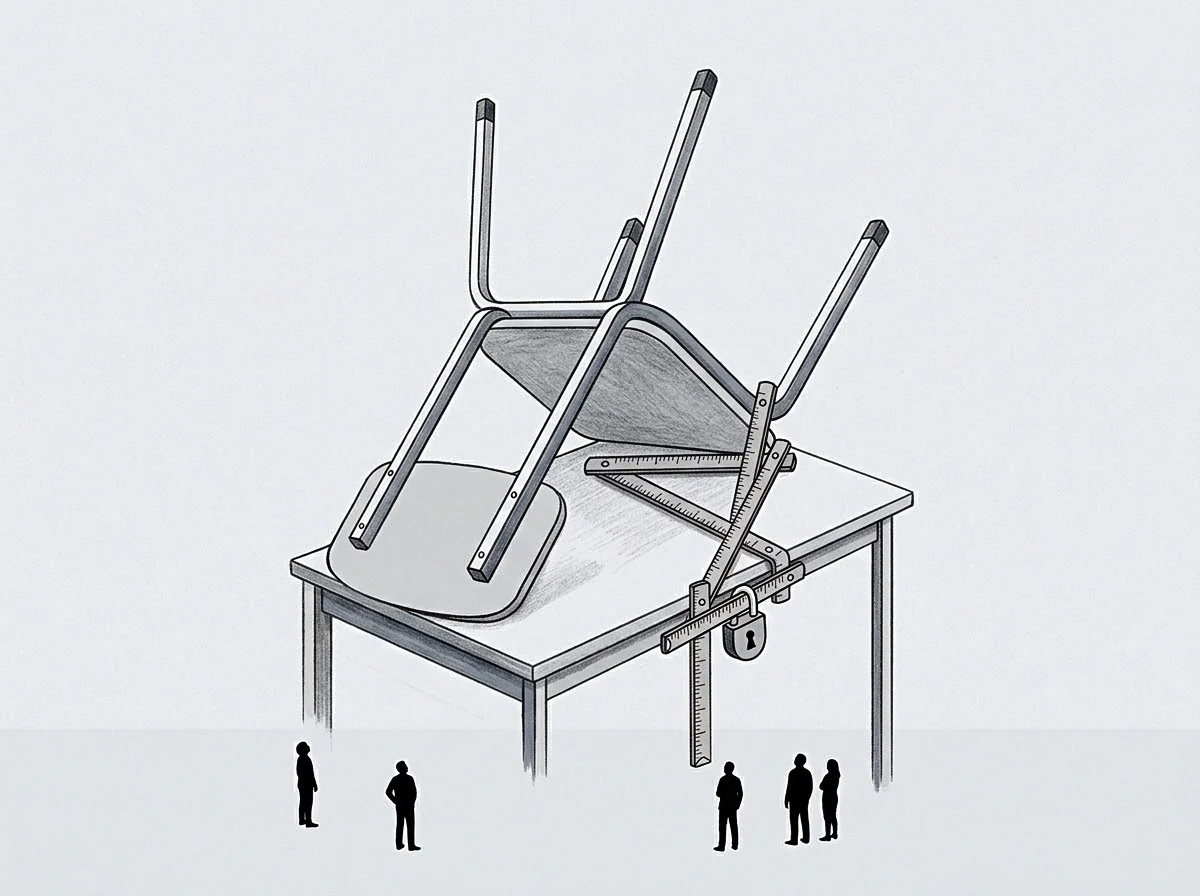
Organizational states emerge when a leader is systematically shielded from the ground-level realities of their business. Informational isolation often occurs as a byproduct of success where multiple layers of management filter the data reaching the founder. It governs the quality of the strategic inputs available for high-level decision making and the speed at which the executive can react to market shifts.
The condition persists until a deliberate mechanism for raw feedback or direct observation is reestablished.
Feedback Decay
Data filtration occurs naturally as management layers attempt to present only the most relevant or positive information to the top seat. The resulting informational isolation creates a gap between the founder’s perception and the operational truth. Without access to the raw data of customer complaints or production delays, the founder may continue to drive a strategy that is no longer supported by reality.
This decay in information quality leads to a loss of institutional agility.
Strategic Distance
Increasing the number of management levels between the founder and the customer produces a detachment from the core value proposition. Informational isolation prevents the founder from sensing the early warning signs of a shifting market or a declining company culture. The person in the seat may find themselves making choices based on historical success rather than current conditions.
This distance creates a cost in terms of delayed pivots and missed opportunities.
Executive Capacity
Maintaining an accurate picture of the company demands a heavy cost in hours and cognitive capacity from the individual in the seat. Informational isolation can only be overcome by dedicating significant energy to skip-level meetings, field visits and independent audits. These activities pull the founder away from long-term strategy, creating a tension between the need to know and the need to lead.
Strategic relevance requires a constant effort to break through the internal filters of the organization.