Meaning
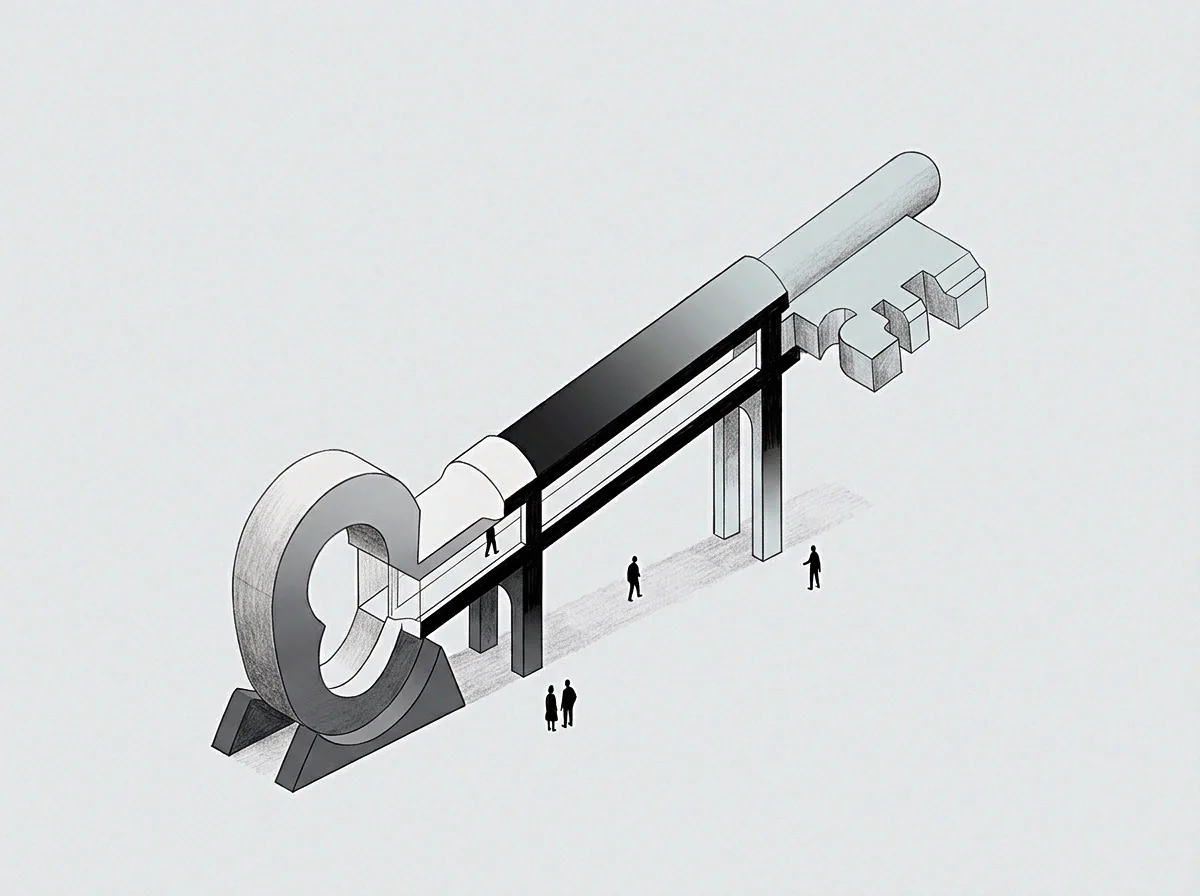
Rules for communication between components establish the requirements for data exchange and functional interaction. Consistent interface protocols permit different teams to build services that work together without constant manual coordination. They define the inputs and outputs that a system expects.
Communication Logic
Alignment on how data moves between departments prevents the emergence of siloes that cannot share information. While a startup relies on informal chats, a scaling firm uses interface protocols to automate the flow of work. This structure allows the founder to step out of the daily information loop.
Team Interaction
Friction often arises when the handoff between the product and engineering seats is not clearly defined. Standardized interface protocols reduce the need for recurring meetings to clarify basic requirements. The clarity provided by these rules saves dozens of hours of management capacity every week.
Without them, every interaction becomes a negotiation over format and timing.
Integration Effort
Merging new features into an existing system requires a stable set of connection points. If the underlying rules change frequently, the energy spent on maintenance exceeds the capacity for new development. The cost of fixing broken links between services grows as the architecture expands.
Protocols provide the stability required for independent teams to move at their own pace.