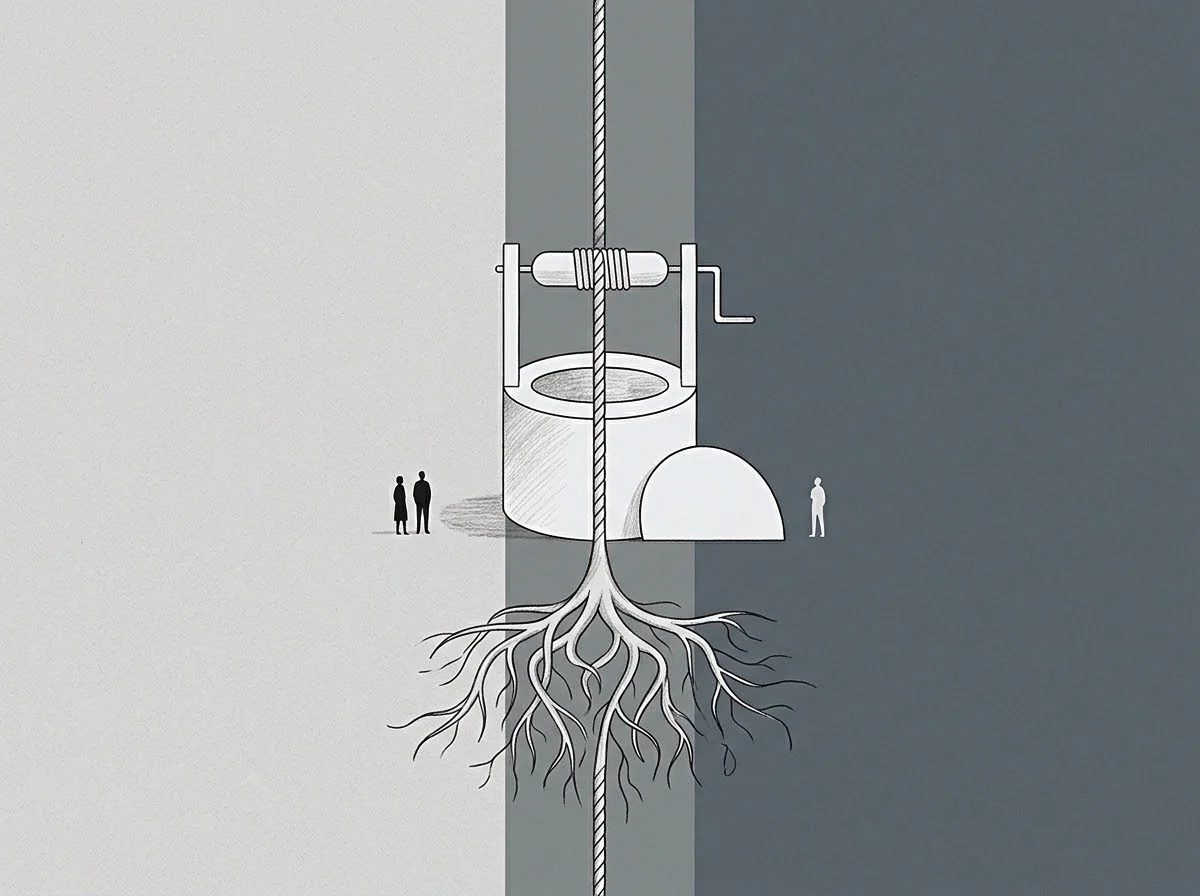
Meaning
An organizational structure introduces a tier of professional directors between executive officers and frontline teams. Placing an intermediate management buffer protects the top executive from constant interruptions and shifts the burden of daily execution to department heads. This structural layer translates broad strategic goals into actionable tasks while managing the team’s immediate needs.
The design prevents the founder from micromanaging and ensures a professional hierarchy. It also creates a scalable framework that accommodates rapid workforce expansion without overburdening the primary leadership team.
Leadership Layer
The delegation of operational oversight relies on experienced managers who translate high-level decisions for frontline personnel. Establishing an intermediate management buffer allows these directors to handle performance reviews and resource allocation independently. This setup ensures that frontline personnel receive feedback and direction without needing direct interaction with the chief executive.
Attention Recovery
The insulation of executive schedules reduces the fragmentation of the workday. When an intermediate management buffer is absent, the founder’s time is consumed by minor decisions and employee requests. Introducing this operational layer allows the founder to reclaim hours for long-term planning and capital allocation.
Transition Limit
The utility of a middle management tier diminishes during periods of rapid restructuring. If a company must pivot its core offering, an intermediate management buffer can slow down information transfer and delay execution. Under these specific conditions, the executive must establish direct links to frontline execution to secure survival.