
Tacit Knowledge Extraction Limits Within Owner Operator Management Transitions
Tacit knowledge extraction fails when intuitive owner patterns are codified without capturing the situational cues that trigger operational choices.

Trace
An enterprise built by an owner-operator functions on decades of accumulated judgment. When management transition begins, incoming executives discover that recorded procedures represent only a fraction of actual operational governance. The remaining knowledge stays locked in implicit mental models that the outgoing owner cannot easily articulate.
Operational knowledge splits into two distinct forms: explicit knowledge, which moves through documentation, software systems, and manuals, and tacit knowledge, which sits in sensory pattern recognition, historic supplier relationships, intuition during financial stress, and immediate diagnostic evaluations on the factory floor.
Attempts to extract this implicit understanding frequently hit cognitive limits. Psychologists studying expert performance observe that experienced practitioners act automatically. An owner-operator with twenty years in a single seat evaluates line failures or customer risk without consciously stepping through logical deductions.
Because these cognitive processes operate below conscious awareness, asking an owner-operator to document decision rules yields superficial rationalizations rather than the actual triggers used in daily operations. Written manuals fail during edge cases, accurately describing administrative routines while missing the high-stakes evaluation rules that protect profit margins.
This friction creates a structural deficit for the incoming manager. While administrative mechanics transfer within weeks, strategic pattern recognition decays during the exit sequence. Research in knowledge management shows that explicit documentation captures declarative facts but fails to retain procedural context.
The transfer effort encounters a hard ceiling: the higher the expertise, the harder it is to express in written words.
Explicit manuals preserve operational steps only while the surrounding environment remains identical to the conditions of their writing.
When environmental conditions change, uncodified knowledge determines whether the enterprise adapts or fails. A buyer or professional manager taking over an owner-operated firm often assumes that reading company manuals will grant operational competence. The successor learns the administrative sequence without gaining the ability to judge raw material quality by sight or negotiate vendor terms based on subtle vocal cues.
Tacit knowledge extraction limits are structural boundaries created by human cognitive architecture, and attempting to substitute detailed documentation for implicit judgment results in operational paralysis when novel conditions emerge.
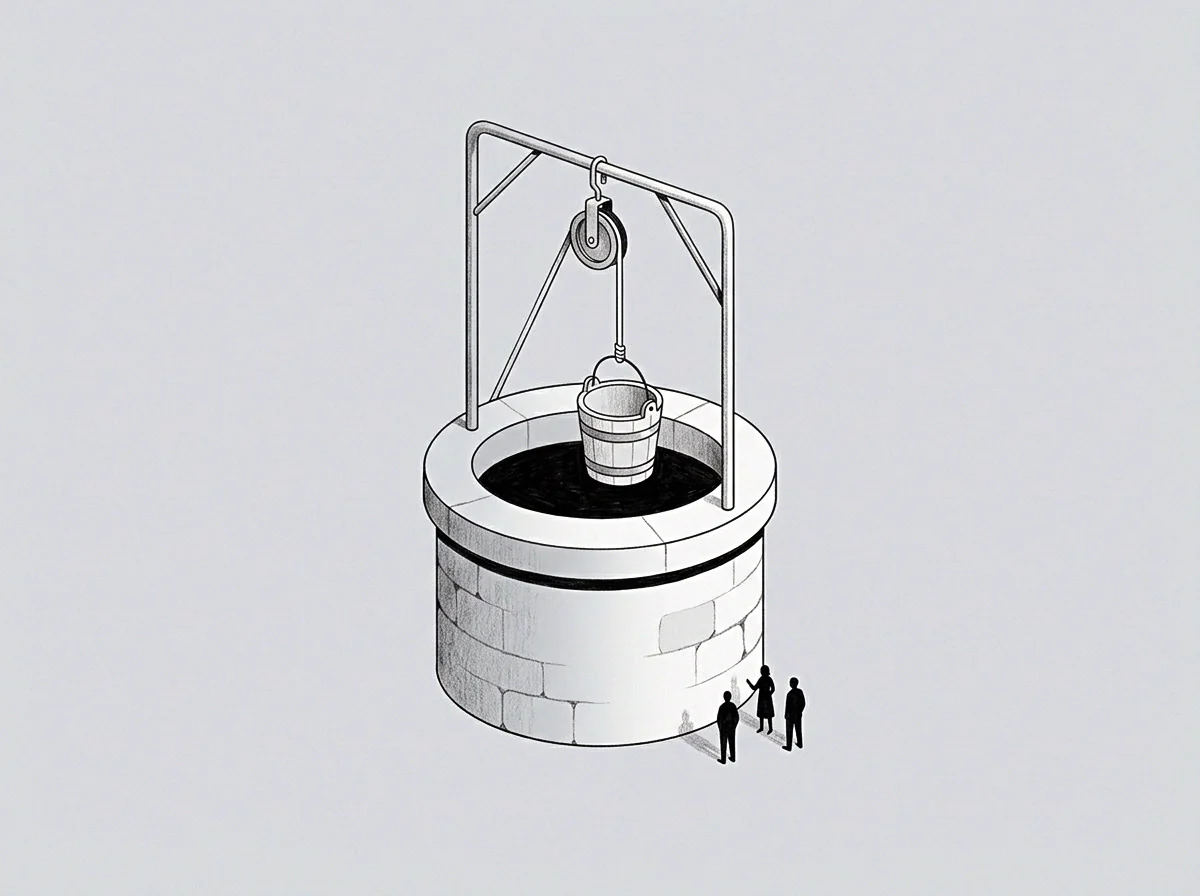
Knot
Operational routines inside closely held firms tighten around the cognitive habits of the person running them, forming structural entanglements across daily activities. Long-serving owner-operators develop rapid heuristics that bypass formal step-by-step logic, relying on mental shortcuts built through years of trial, failure, and direct feedback.
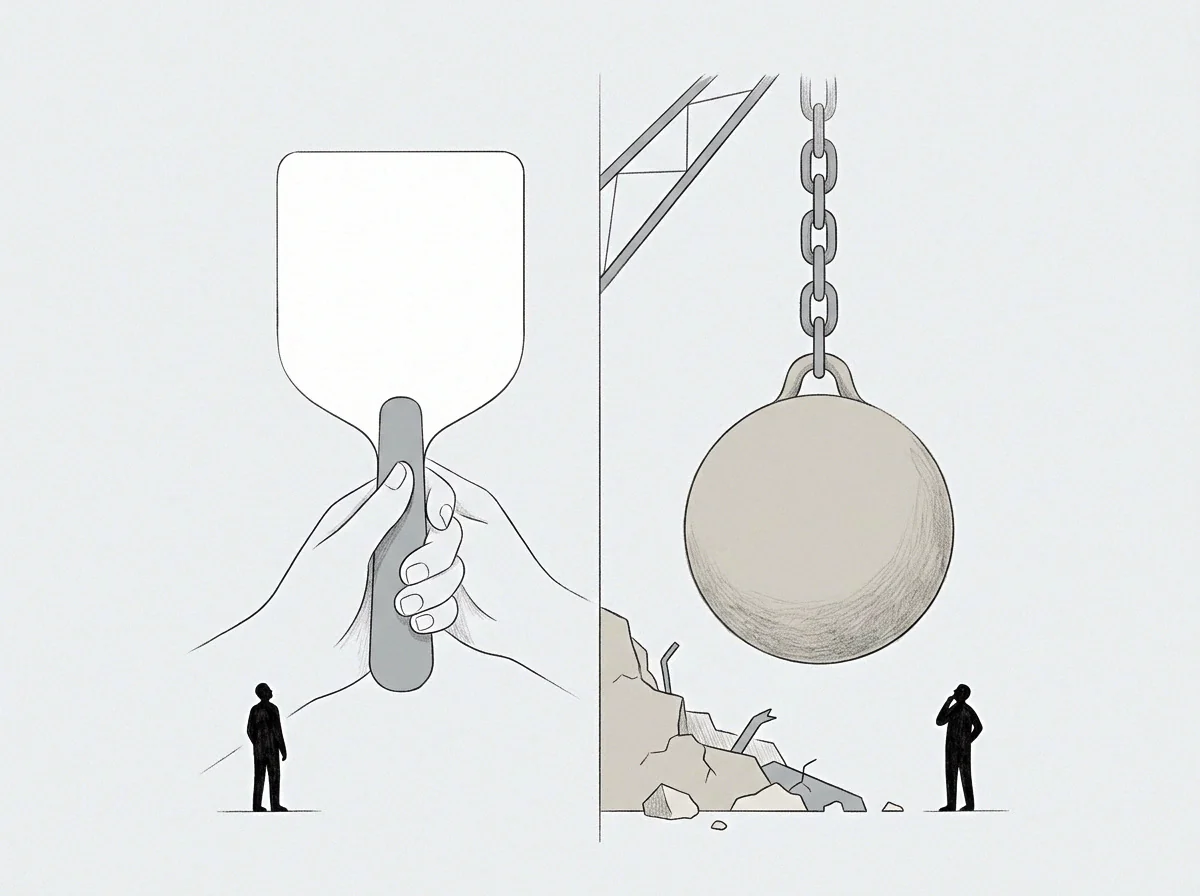
Cognitive Architecture of Unspoken Routines
When an incoming manager shadow-operates alongside an owner, the owner frequently acts without explaining the underlying reasoning. A sudden decision to halt production, grant a custom discount, or accelerate cash collection appears arbitrary to an outside observer. In reality, the owner processes dozens of environmental cues simultaneously, including machine acoustic pitch, seasonal buyer demeanor, inventory movement velocity, and cash float cycles.
Because these inputs process automatically, the owner fails to list them during exit interviews.

Mapping Transfer Potential Across Operational Domains
Systematic categorization reveals which operational functions yield to manual recording and which retain persistent implicit dependencies. Administrative routines transfer efficiently through written process documents, whereas operational evaluation and strategic negotiation generate high levels of residual reliance on the outgoing owner.
| Operational Domain | Codification Feasibility | Extraction Friction | Transfer Residue Risk |
|---|---|---|---|
| Financial Reconciliation | High | Low | Low |
| Key Account Negotiation | Low | High | High |
| Crisis Resource Allocation | Low | High | High |
| Inventory Management Systems | High | Moderate | Low |
| High extraction friction directly correlates with persistent dependence on outgoing owner judgment. | |||
The distinction between explicit administrative systems and implicit operational evaluation explains why post-acquisition performance frequently drops. Buying the physical assets, customer lists, and software systems buys only the explicit infrastructure. The implicit engine that converts those assets into sustained cash flow remains tied to the outgoing owner’s cognitive presence.
Uncodified pattern recognition causes operational friction when the incoming manager encounters novel variance without the founder present.
When the successor takes the seat, uncodified routines create immediate friction with existing staff. Employees accustomed to the founder’s rapid directions resist formalizing their own positions under a successor who relies strictly on procedural manuals. The organization experiences a period of structural confusion where neither the old intuitive rules nor the new explicit procedures function cleanly.
Including an extended shadow period clause shifts the risk of operational disruption away from the incoming executive back toward the exiting owner.

Sheet
Written operating guides capture formal workflows while missing the situational triggers that govern their execution. Creating operational binders remains the standard response to transition planning, yet binders rarely solve the tacit extraction boundary. Manuals store facts static in time, whereas business environments demand active perceptual adjustments.

When Does Procedural Documentation Fail Incoming Leadership?
Instructions in manuals present operations as linear sequences, whereas live business decisions respond to simultaneous environmental inputs. A manual specifies when to reorder raw materials based on inventory thresholds, but fails to convey that the founder delays orders when regional shipping costs spike or when weather patterns threaten transit routes. The incoming manager follows the documented threshold, ordering inventory at peak shipping rates and eroding monthly gross margins.
Documentation captures the what and the how while systematically omitting the when and the why. This omission stems from the observer effect in knowledge capture. When an owner sits down to draft operating procedures, they document nominal pathways, recording what happens when systems work correctly while omitting the hundreds of minor corrective nudges applied daily to keep imperfect machinery running and difficult clients satisfied.
Shadowing reveals operational judgment faster than interviews because demonstration captures sensory cues that speech omits.
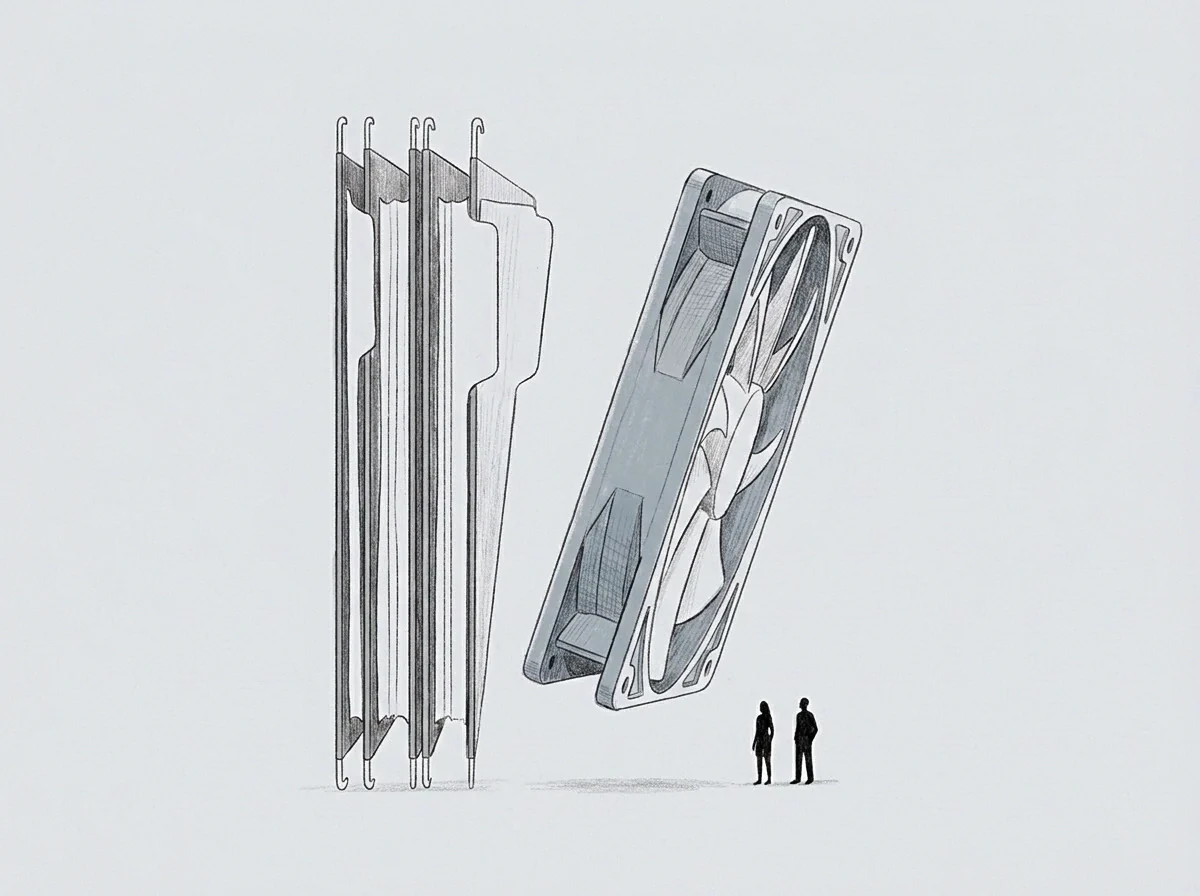
Sequential Phases of Knowledge Codification
Structured extraction demands a deliberate multi-stage approach rather than a single documentation exit pass. Relying on written manuals alone invites operational failure during the first quarterly stress event.
- Observation of live operational cycles during non-standard working conditions to identify unwritten corrective habits.
- Parallel decision logging where the incoming executive drafts choices while the owner executes active decisions.
- Controlled error testing under full owner supervision to expose gaps in procedural understanding before complete departure.
- Scaffold removal where the incoming manager assumes full authority while the owner observes passively from outside the decision loop.
Transition timelines expand under uncertainty. Attempting to compress these sequential stages into a brief calendar window leads to missing operational knowledge. The successor receives a stack of manuals that offer a false sense of security while leaving core operational risks unmitigated, reporting that the manual explains where the files reside but offers no guidance on which accounts to prioritize during a cash crunch.

Draft
A twelve month management transition in a mid-sized distribution enterprise illustrates the boundaries of knowledge transfer. The enterprise generates eighteen million dollars in annual revenue with forty-five full-time employees. The founder operated the firm for twenty-two years, building dense personal relationships with top suppliers and maintaining complete control over pricing structures.
An incoming chief operating officer takes the seat under an eighteen-month succession agreement designed to transfer leadership completely.
During the initial three months, the transition plan focuses on codifying pricing formulas and vendor management rules into enterprise resource software. The founder produces fifty pages of process documentation detailing margin targets, rebate thresholds, and freight calculations. Administrative systems appear fully transferred, and the successor assumes direct operational control at month four, relying on the newly created digital documentation to negotiate seasonal vendor contracts.

Observed Performance Breakdown Under Simulated Scenarios
Stress testing the incoming executive during month six exposes hidden gaps in vendor negotiation capabilities. When a major supplier presents a twelve percent price increase, the successor consults the documented negotiation guidelines, which instruct the manager to request volume discounts and quote competing supplier pricing. The supplier refuses both terms.
The successor surrenders the margin, accepting the price hike to preserve inventory flow.
The founder, observing the exchange during a governance review, intervenes. Through twenty years of direct interaction, the founder knows the supplier operates under strict quarterly inventory storage limits at their regional warehouse. The founder contacts the supplier executive, offering to take immediate delivery of excess inventory in exchange for waiving the price increase across all standard line items.
The supplier accepts immediately. This negotiation rule existed nowhere in the written documentation because the founder never consciously categorized supplier storage pressure as a pricing lever.
An incoming operator manages the administrative structure while the founder retains the tacit authority required to resolve systemic crises.
The enterprise performance breakdown highlights four distinct failure vectors during owner operator management handovers:
- Relational Leverage Friction where unwritten personal credit and historical favors between the founder and external counterparties cannot move to the incoming manager through explicit documentation.
- Contextual Exception Failure where documented operational rules break down because surrounding economic variables deviate from the historical conditions present when the rules were written.
- Diagnostic Speed Deficit where the incoming manager requires hours of analytical software reporting to identify operational bottlenecks that the outgoing founder diagnosed instantly by physical inspection.
- Authority Credibility Decay where internal staff and external vendors bypass the incoming manager during operational friction, seeking direct confirmation from the founder who still holds implicit diagnostic command.
Resolving these failure vectors requires moving beyond passive documentation into live co-execution. The successor must run the negotiation while the founder sits silent in the room, offering feedback only during post-meeting debriefs. Shadowing an owner during live crises reveals operational priorities faster than reviewing static manual procedures.

Joint
The seam where outgoing leadership detaches from active management dictates long-term organizational viability. Structural limits in knowledge extraction mean that no transition plan transfers one hundred percent of founder capability. Enterprise design must account for this permanent knowledge loss rather than pretending complete transfer occurs, allowing organizations to build structural safeguards around the incoming manager.
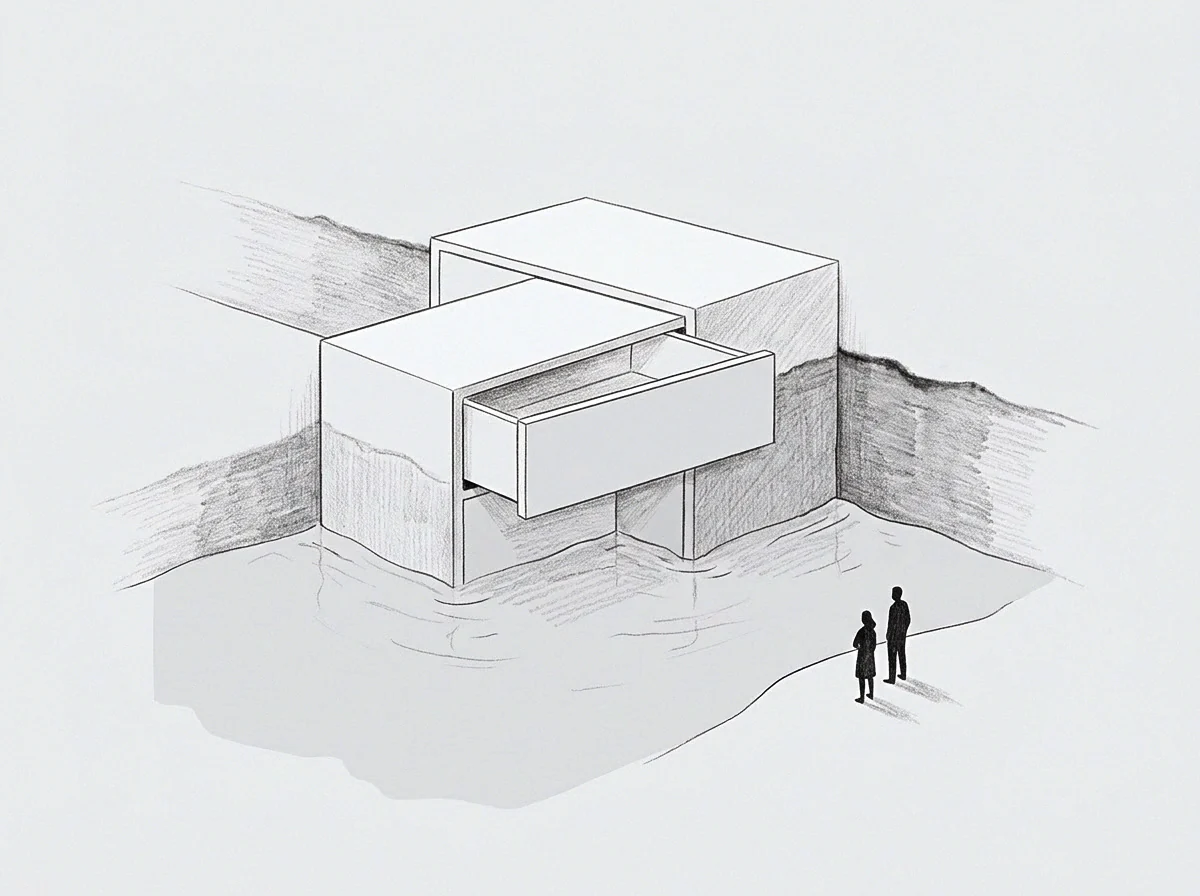
Scaffold Removal and Authority Detachment
Removing supporting oversight too quickly exposes the successor to catastrophic decision errors, while retaining oversight too long prevents them from building implicit pattern recognition through direct experience. The timing of scaffold removal determines whether the successor develops genuine operational autonomy or remains a perpetual administrative assistant.
The exit design must establish firm dates for structural authority transfer, regardless of whether tacit knowledge transfer feels complete. Prolonged transitions create dual-power arrangements that confuse employees and paralyze decision-making. When staff realize the founder still holds ultimate diagnostic judgment, they ignore the successor’s explicit operational directives.
The incoming executive loses credibility, and the transition stalls in an expensive holding pattern.
To prevent transition stagnation, the governing board or buyer must define precise boundary conditions for founder intervention. The founder steps into active management only when pre-defined financial thresholds are breached. In all other operational scenarios, the successor retains full decision authority, making mistakes and developing necessary heuristic models through direct trial and adjustment.
It remains uncertain how many months of operational variance an enterprise can absorb before uncodified founder knowledge completely dissipates from company memory.