Meaning
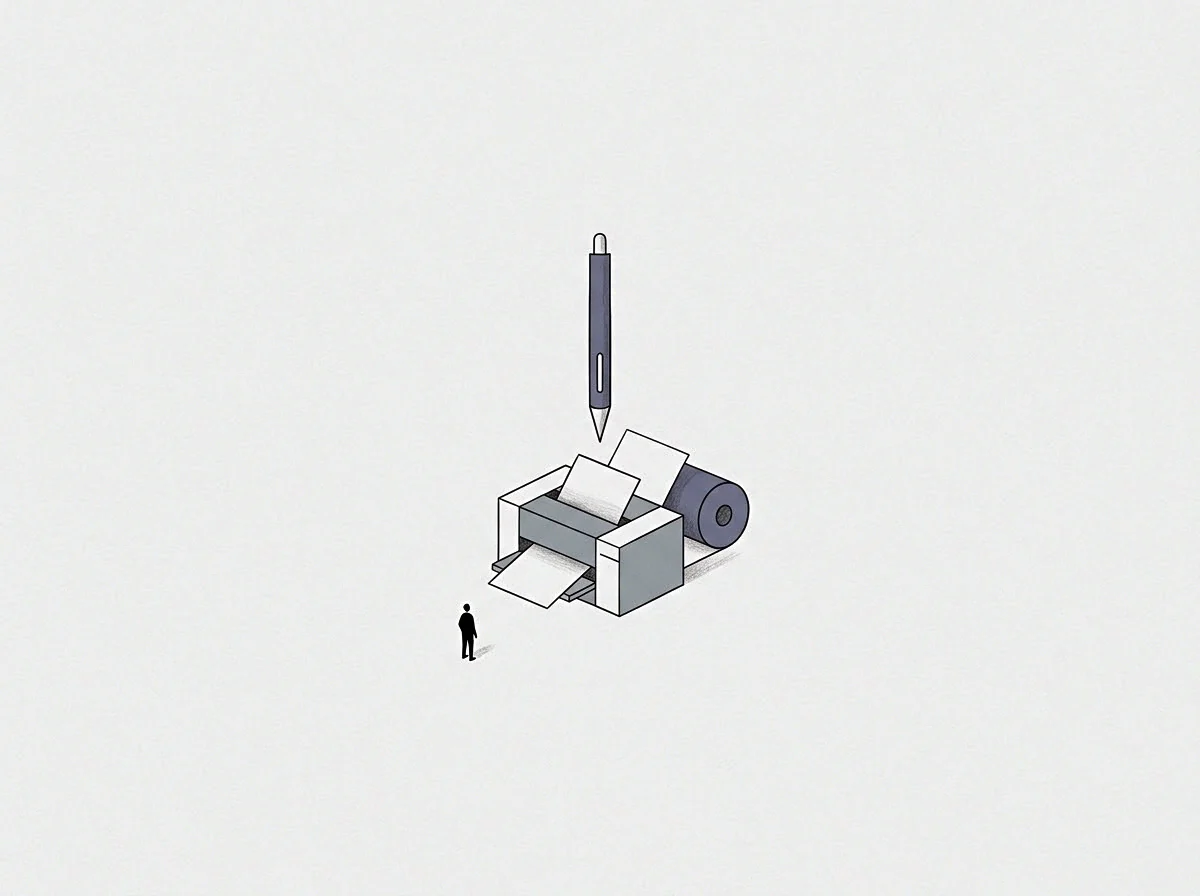
Knowledge retention constitutes the preservation of internal operational procedures, specialized logic, and technical habits within a business after the departure of founding members. Organizations utilize this capacity to prevent the loss of undocumented decisions and undocumented workflows that define the initial technical architecture. Information remains susceptible to decay when individuals transition out of their primary roles, leading to a drop in operational continuity.
Transition Friction
Replacing a founder requires the transfer of tacit work habits that occupy memory rather than documentation. This movement of responsibility creates a drain on the remaining staff as they spend hours extracting logic from the departing person. Each manual process left behind demands high cognitive effort to reconstruct without the original inventor.
The cost of this extraction grows with the complexity of the internal systems.
Information Stability
Systematic storage of documentation reduces the reliance on individual memory to maintain the functionality of a firm. Codified databases and standardized operating protocols permit the organization to operate regardless of personnel turnover. A stable repository of facts allows new managers to access decisions without forcing an interruption on senior staff members.
This storage mechanism acts as a defense against the total dissipation of intellectual capital when key people exit the workspace.
Resource Allocation
Personnel who manage the handover process face a direct trade off between daily productivity and the documentation of legacy habits. Founders often underestimate the time required to translate personal habits into shared manuals, which leads to a deficit in the incoming team’s capacity. Adequate planning allows for the gradual release of data across several weeks rather than a final rush at the hour of departure.
Consistent documentation practices ensure that the institutional capacity remains constant across successive generations of leadership.