Meaning
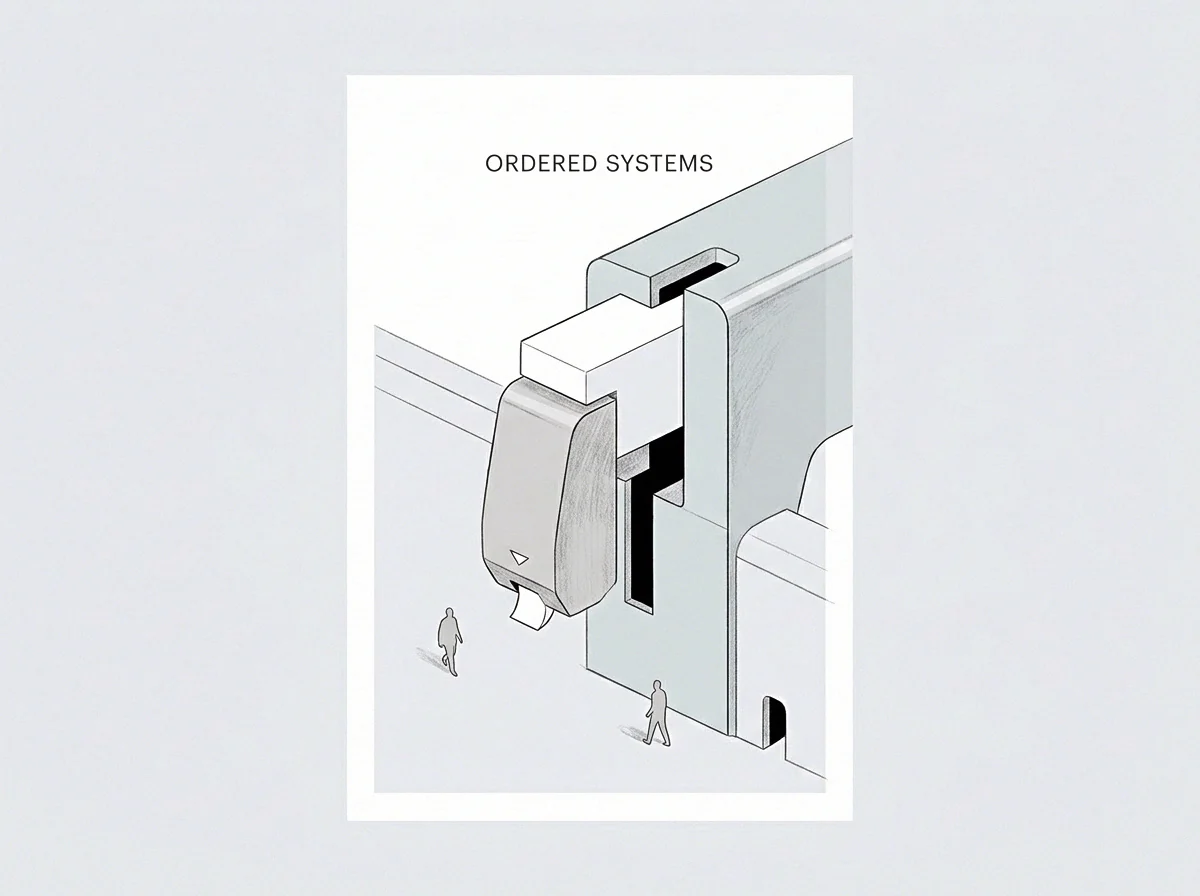
Underlying technical systems and organizational processes established during the early years of a company that remain in place after the founder exits. These foundational elements often prioritize speed of development and flexibility over scalability and documentation. As a company matures, legacy architecture becomes a constraint that the new management team must navigate or replace.
It represents the historical DNA of the startup and includes both software code and the manual workflows that keep the business running. The cost for the new team is the technical debt they must pay down, while the founder faces the risk that their original vision will be dismantled to make room for modern standards.
Technical Debt
Early decisions about the technology stack are often made with limited resources and extreme time pressure. This legacy architecture may rely on outdated languages or poorly integrated databases that require specialized knowledge to maintain. When the original engineers and founders leave, the cost of keeping these systems alive increases as the pool of people who understand them shrinks.
The organization must eventually choose between a costly rebuild and the increasing risk of system failure.
Cultural Stasis
Organizational habits are as much a part of the foundation as the code itself. In many cases, legacy architecture includes the unwritten rules of how people communicate and resolve conflicts. These habits can resist the introduction of new management styles, creating a friction point between the old guard and new hires.
The founder’s shadow remains in these processes long after they have left the office.
Replacement Cycle
Replacement of these original structures is a multi-year effort that requires substantial capital and focus. Legacy architecture is finally retired when the last core component of the original system is replaced by a scalable alternative. This mark signifies the end of the founder’s direct technical influence.