Meaning
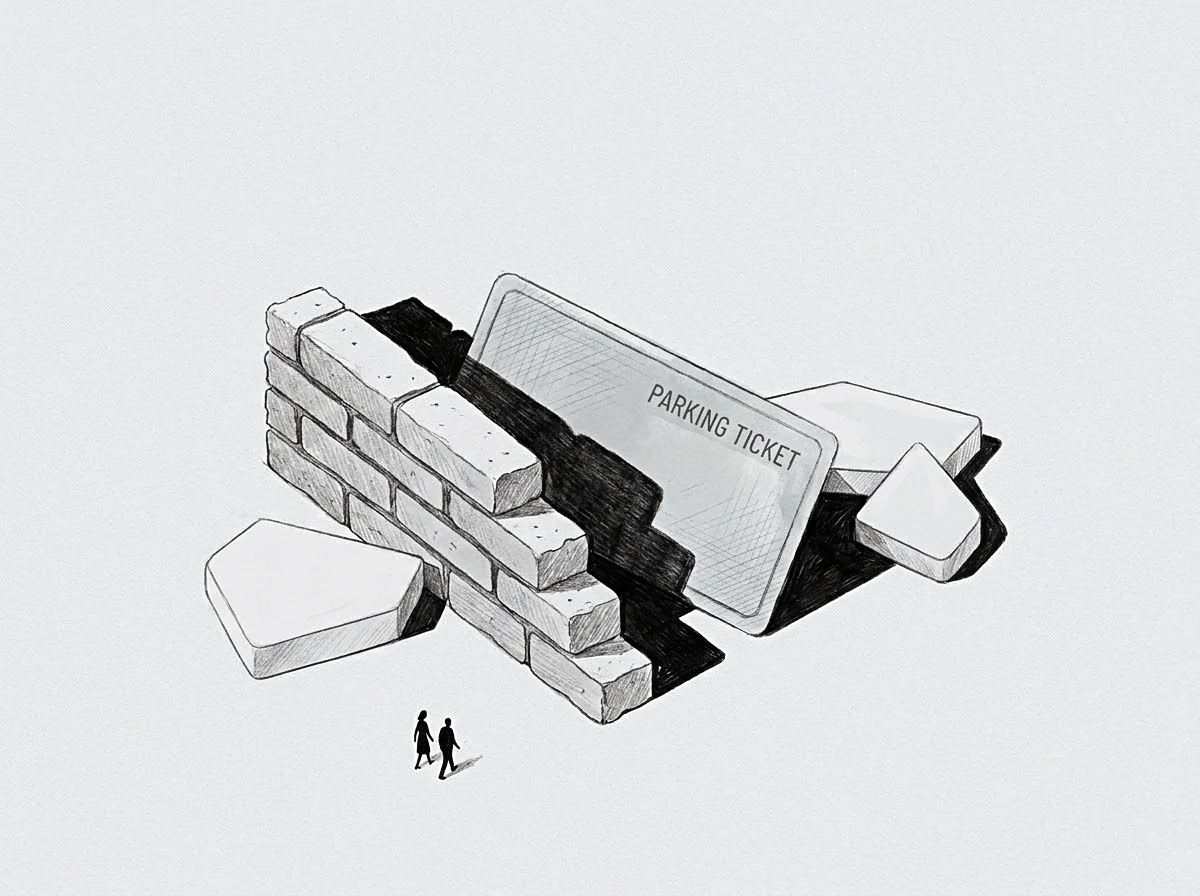
Contractual provisions set a maximum limit on the financial damages a party must pay in the event of a breach or loss. These liability caps define the outer boundary of fiscal risk for both the provider and the client. They are standard features in software licenses, service agreements and acquisition documents.
Risk Exposure
Limitations on liability allow a company to operate without the threat of infinite financial ruin. The presence of liability caps enables a founder to price their services based on known worst-case scenarios. Without these boundaries, the cost of insurance would likely become prohibitive for a small entity.
Indemnity Scope
Buyers in an acquisition scrutinize the limits placed on historical contracts. Low liability caps on primary customer agreements increase the perceived risk for an incoming owner. This assessment directly influences the final price paid for the equity in the business.
Exit Valuation
Negotiating these limits requires a trade off between protection and market competitiveness. If the liability caps are too restrictive, potential enterprise clients may refuse to sign. Finding the right level consumes substantial energy during the legal review phase of a deal.
A founder who accepts broad liability to win an early contract may find that this decision reduces the company value when it comes time to sell.